
Same-day & Next-day Delivery

Quality Guaranteed

Unlock Your Welcome Offers: FREE Delivery | Up to 80% OFF | Free 30-day JoyPlus trial
Download the APP
By Joybuy Product Recommendation Officer, 28 August 2026
The quest for new flavour experiences leads many to exotic drinks. From rich mango drinks to refreshing lychee juice, the selection is tempting. However, not every product featuring tropical fruits on its label delivers on its promise. Before you order fruit juice online, it's helpful to know the most common pitfalls to avoid disappointment and unnecessary expense.
Many consumers are misled by appealing packaging or overlook crucial details on the ingredients list. The result: a drink that contains more sugar and water than actual fruit. This guide will show you what to look for to make an informed choice.
To ensure you're getting a quality product that meets your expectations, you should check two key parameters. These will help you separate the wheat from the chaff, whether you're looking for tropical juices or specific Asian drinks.
The labels on beverage packaging are regulated in the EU by the Fruit Juice and Refreshment Drinks Ordinance. Understanding these categories is crucial:
Therefore, always check whether you are buying a juice, nectar, or a fruit juice drink. This is the most objective indicator of product quality.
The ingredients list is ordered by weight in descending order. This means the ingredient that is most abundant is listed first.
Here are some recommendations tailored to different preferences and use cases.
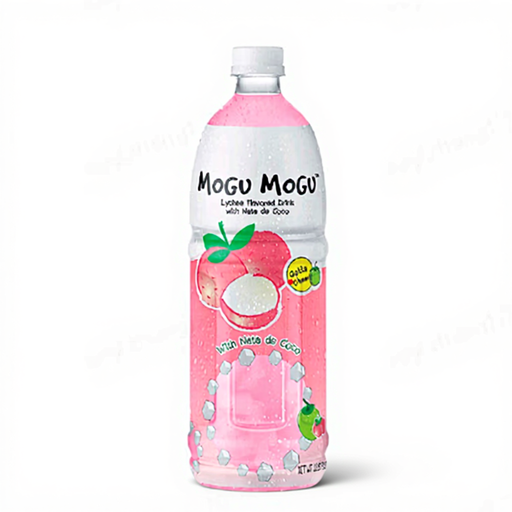
Why it's a great fit: Perfect for those seeking more than just a juice. The combination of sweet lychee juice and chewy nata de coco pieces (coconut gel) offers a unique drink-and-chew experience that is highly popular with young and adventurous consumers.
The product is transparent about its composition. The nata de coco pieces are not a hidden additive but the advertised main feature, creating an interactive drinking experience.
Offers a unique texture that sets it apart from conventional juices and sodas. The fruit content is clearly declared.
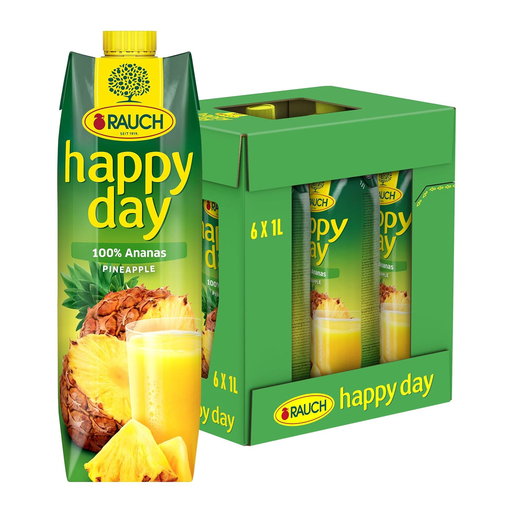
Why it's a great fit: For anyone who seeks the pure, unadulterated taste of tropical fruits. This pineapple juice is an excellent choice for breakfast, mixing cocktails, or simply as a pure refreshment.
This product completely avoids the fruit content trap. It is declared as 100% pineapple juice from pineapple juice concentrate. It contains no added sugar or artificial flavours.
Pure fruit taste without compromise. The ingredients list is as short as it gets: 100% pineapple juice from pineapple juice concentrate.
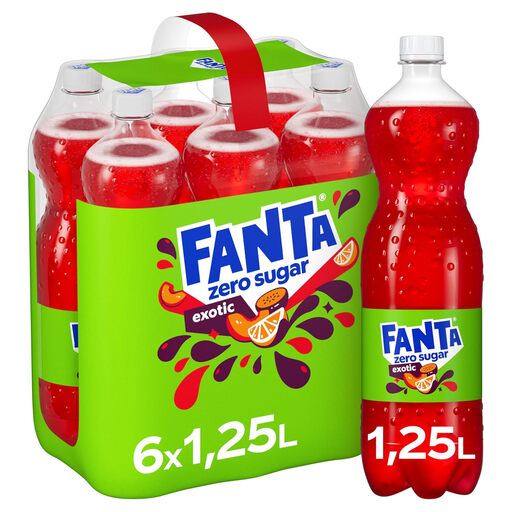
Why it's a great fit: For those who love the taste of exotic fruits like orange, peach, and passion fruit juice but want to skip the sugar and calories. A great choice for parties or for guilt-free daily enjoyment.
This drink avoids the sugar trap with its clear "Zero Sugar" positioning. The ingredients list transparently names the sweeteners used (aspartame, acesulfame K), allowing the consumer to make an informed decision.
Delivers full exotic fruit flavour at only 3 kcal per 100 ml. Contains a source of phenylalanine, which is relevant for individuals with PKU.
We have compiled a complete, up-to-date list of products that fully meet these strict selection criteria and EU regulations.
1. What is the exact difference between fruit juice, nectar, and a fruit juice drink? A fruit juice must always have 100% fruit content. A fruit nectar has a legally prescribed minimum fruit content (e.g., 25% for mango) and may contain added water and sugar. A fruit juice drink has the lowest fruit content and consists mainly of water, sugar, and flavourings.
2. How should I store opened exotic drinks correctly? Most juices and nectars, especially those without preservatives, should be refrigerated after opening and consumed within 3 to 5 days. Carbonated drinks should also be kept chilled and consumed quickly to minimise the loss of fizz. Always follow the instructions on the packaging.
3. Are Asian drinks with pieces, like Mogu Mogu, suitable for children? Drinks like Mogu Mogu contain nata de coco, which are chewy gel pieces. For very young children who cannot yet chew and swallow safely, these pieces could pose a potential choking hazard. It is recommended to assess suitability individually based on the child's age and ability.