
Lieferung heute & morgen

Qualitätsgarantie

Willkommens-Angebote freischalten: KOSTENLOSE Lieferung | Bis zu 80 % RABATT | Kostenlose 30-Tage-JoyPlus-Testphase
App herunterladen
The selection of exotic drinks on store shelves and in online shops is constantly growing. From tropical juices to traditional Asian beverages, the variety is tempting. But not every colourful label delivers on its promise. As a Joybuy Product Recommendation Officer, I'm here to help you separate the wheat from the chaff and find products that truly deliver. In this guide, I'll show you the most common pitfalls and what to look for when making your choice.
Many products use exotic branding to distract from less desirable qualities. Knowing what to look for helps you shop smarter.
To make an informed decision, you often just need to glance at the label. The following two parameters are crucial for determining a drink's quality.
In Germany and the EU, there are clear legal definitions that can help guide you. These terms aren't just marketing jargon; they are tied to specific requirements:
passion fruit juice or guava juice, this is the term you should look for.Asian drinks fall into this category, which isn't inherently negative as long as the composition is transparent.The ingredient list is arranged in descending order by weight. If sugar (or one of its many names, like sucrose or glucose syrup) is listed second, right after water, the drink is likely very sweet.
Also, look for special ingredients that offer a unique experience. Drinks with fruit pieces are becoming increasingly popular. A well-known example is Nata de Coco, often found in drinks from the brand Mogu Mogu. These are chewy, jelly-like cubes made from fermented coconut water that give the drink an interesting texture. If you're specifically looking to buy Mogu Mogu, you know these pieces are an essential part of the product.
Based on these objective criteria, we have selected a few products from our range that are suitable for different preferences.
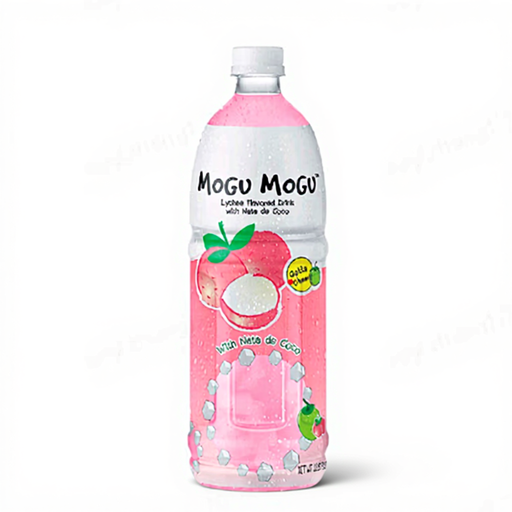
Why This Fits Their Persona: Ideal for anyone who wants to not just taste their drink, but experience it. The combination of sweet lychee juice and chewy Nata de Coco pieces offers a playful and unique drinking experience.
Here, the texture isn't a hidden flaw but the advertised main feature. The ingredients list clearly declares the presence of Nata de Coco (coconut jelly).
Offers a multi-sensory experience. The lychee flavour is authentic and is complemented by the chewable pieces.
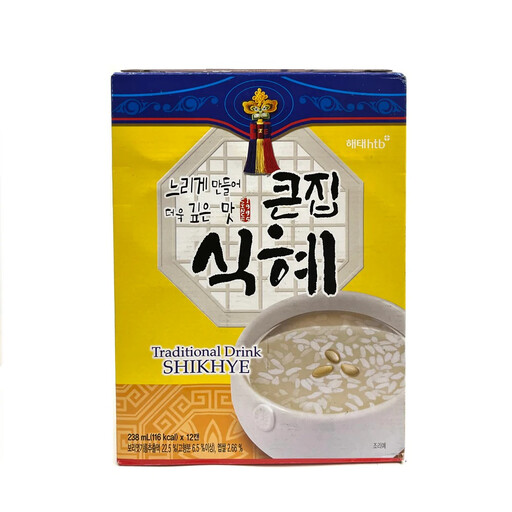
Why This Fits Their Persona: Perfect for anyone looking to discover or rediscover traditional Korean beverages. Shikhye is a classic dessert drink made from rice and barley malt, known for its mildly sweet taste.
This drink doesn't pretend to be a fruit juice. It's an authentic cultural product with a clear identity and a short ingredient list based on rice, barley malt extract, and ginger.
A unique, not-too-sweet flavour profile. It contains soft rice grains that provide a pleasant texture.
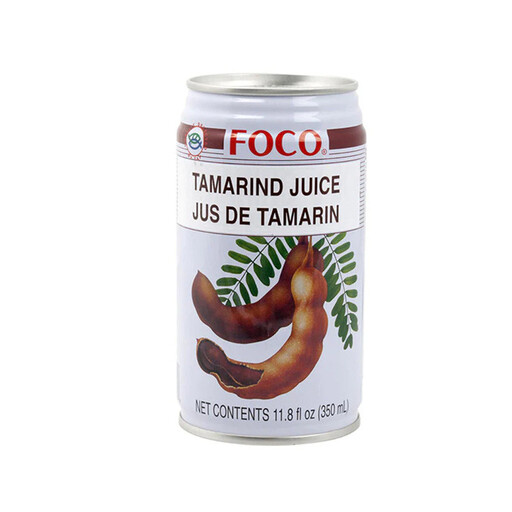
Why This Fits Their Persona: An excellent choice for those who appreciate the distinctive sweet-and-sour taste of tamarind juice. FOCO is an established brand for tropical juices, delivering a straightforward and refreshing experience.
The ingredient list is short and transparent. The tamarind pulp content is clearly stated at 20%, which is a solid amount for this type of fruit juice drink and ensures an authentic taste.
A clearly defined, refreshing tamarind flavour. Convenient serving size and reliable quality from a well-known manufacturer of FOCO juice.
We have compiled a complete, up-to-date list of products that fully meet these strict selection criteria and comply with German regulations.
What is Nata de Coco in drinks like Mogu Mogu? Nata de Coco is a chewy, translucent, jelly-like substance produced by the fermentation of coconut water. It has a mild taste and is used in drinks and desserts primarily for its pleasant, firm texture. It is not fruit pulp but a product in its own right.
How should I properly store opened exotic drinks? After opening, most exotic drinks, especially juices and nectars, should be stored in the refrigerator. Seal the bottle or carton tightly and consume the contents within 2 to 3 days to maintain freshness and quality. Always follow the instructions on the packaging.
Are Asian drinks always very sweet? Not necessarily. While many commercially produced drinks have a high sugar content, there are also numerous traditional options that are less sweet. Examples include unsweetened teas, certain herbal drinks, or the aforementioned Korean rice punch (Shikhye), which has a milder sweetness derived from barley malt. A quick look at the nutrition facts and the ingredient list will provide clarity.