
Lieferung heute & morgen

Qualitätsgarantie

Willkommens-Angebote freischalten: KOSTENLOSE Lieferung | Bis zu 80 % RABATT | Kostenlose 30-Tage-JoyPlus-Testphase
App herunterladen
The world of exotic drinks offers a captivating variety of flavours, from sweet mango to refreshing lychee. However, the search for the perfect tropical indulgence can quickly become overwhelming. Many products promise more than they deliver. Before you make a decision, it's helpful to know the most common pitfalls to avoid disappointment and wasted money.
This guide highlights the key criteria for selection and helps you find products that live up to your expectations.
On the supermarket shelf or in an online shop, many bottles look tempting. But colourful labels often hide products that don't deliver on their promises.
To ensure you get a high-quality product that meets your expectations, you should check three core parameters.
The most important piece of information is the fruit content, which must be stated as a percentage on the packaging. Pay attention to whether it is juice from concentrate, not-from-concentrate juice, or fruit purée. A higher purée content, often found in a high-quality mango drink or lychee juice, typically results in a more intense and authentic taste. The ingredient list reveals whether the flavour comes primarily from real fruit or from added "natural flavours."
If you are specifically looking for drinks with fruit pieces, the exact name of the add-in is crucial. Nata de coco (coconut gel), aloe vera pieces, or fruit jelly cubes offer a completely different experience than pure fruit pulp. Brands like Mogu Mogu are known for their high percentage of nata de coco. So, if you plan to buy Mogu Mogu, you know what to expect. Check the percentage of add-ins to get an idea of the texture.
A quick look at the nutrition facts per 100 ml is the fastest way to objectively compare sugar content. A drink with 5 grams of sugar per 100 ml is significantly less sweet than one with 13 grams. This helps you make informed choices, especially if you prefer a lighter refreshment or are watching your calorie intake.
Based on these objective criteria, we have put together some products for different preferences.
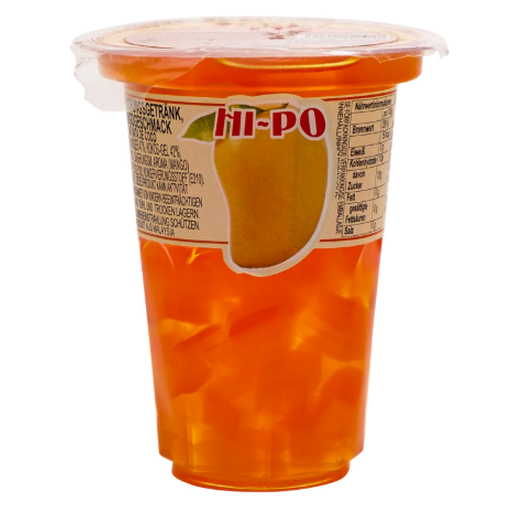
Why it's a great fit: Ideal for anyone who wants a drink with a playful and satisfying extra. The combination of sweet mango flavour and firm-to-the-bite coconut gel offers a unique drinking experience that goes beyond a simple juice.
The product avoids the vague texture trap by clearly declaring its add-in content: 42% nata de coco. This way, you know exactly what mouthfeel to expect.
The combination of a drink and a textured add-in makes it a light, refreshing snack. At 50 kcal per 100 g, it is also a moderate choice.
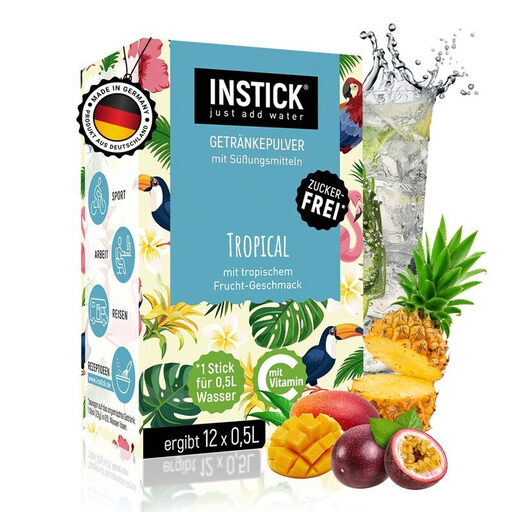
Why it's a great fit: Perfect for anyone who wants tropical flavour without the sugar and calories. The convenient sticks are ideal for on the go, during sports, or for daily hydration.
This product completely sidesteps the calorie trap. It is explicitly declared as sugar-free and low-calorie, so there are no hidden surprises in the nutrition facts.
Maximum flexibility: The flavour intensity can be individually adjusted by the amount of water (0.5 to 1 litre per stick). The powder is also vegan and free from allergens.
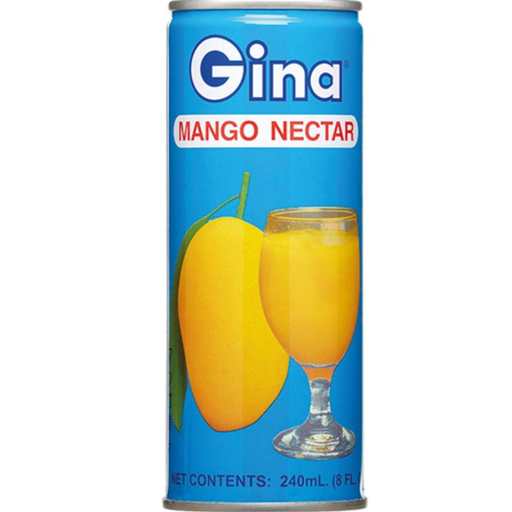
Why it's a great fit: For enthusiasts who seek the real, unadulterated taste of ripe mangoes. This drink focuses on a high fruit concentration for a rich, nectar-like experience.
It avoids the fruit content illusion with a clearly stated, high fruit percentage: 35% mango purée. This signals high quality and an intense flavour based on real fruit.
The thick, velvety consistency from the high purée content provides an authentic tropical taste experience that clearly sets it apart from thin, watery fruit juice drinks.
We've compiled a complete, up-to-date list of products that fully meet these strict selection criteria and local regulations.
Most tropical fruit juices and drinks should be stored in a cool, dry place away from direct sunlight. After opening, they belong in the refrigerator and should be consumed promptly, usually within a few days, to maintain flavour and freshness. Always follow the instructions on the packaging.
Nata de coco is a firm, translucent jelly made from the fermentation of coconut water. It has a subtly sweet taste and a pleasantly chewy texture. It is a popular ingredient in many Asian drinks and desserts, providing a unique chewing experience.
Not necessarily. While many traditional drinks have a high sugar content, there is a growing range of alternatives. These include sugar-free versions, drink powders to mix yourself, or juices with a high fruit content and no added sugar. A look at the nutrition facts per 100 ml helps to objectively assess the sugar content and make a suitable choice.