
Same-day & Next-day Delivery

Quality Guaranteed

Unlock Your Welcome Offers: FREE Delivery | Up to 80% OFF | Free 30-day JoyPlus trial
Download the APP
The selection of exotic fruit drinks on store shelves is constantly growing. From mango and lychee to passion fruit, the variety promises a tropical escape for the palate. But not every colourful beverage delivers on its promise. Many buyers are disappointed when their expensive purchase tastes watery or the advertised special texture is barely noticeable. Before you buy, you should be aware of a few common pitfalls.
A frequent problem is the discrepancy between the packaging and the contents. A carton showing juicy fruits is no guarantee of high fruit content. Often, these are so-called fruit juice drinks, which consist mainly of water, sugar, and flavourings. Another point is texture: especially with Asian drinks containing jelly pieces like nata de coco, the proportion of these additions can be so low that the advertised chewing experience is completely absent.
To ensure you get a high-quality product that meets your expectations, you should check three central aspects. These will help you objectively evaluate a drink's quality and separate marketing promises from facts.
The designation on the packaging provides the most crucial clue about quality. These terms are clearly regulated in the EU:
A look at the label and the ingredients list is therefore essential to avoid paying for expensive sugar water.
Many Asian drinks are distinguished by their unique texture. A popular example is a drink with nata de coco. These are firm, chewy, jelly-like cubes made from fermented coconut water. If you're seeking this experience, pay attention to the percentage of nata de coco in the ingredients list. A value over 15% indicates a noticeable chewing experience, while lower values are often barely perceptible.
Also, note the type of sweeteners (sugar, fructose syrup) and any colourings. In the EU, some colourings, like E102 or E122, must carry the warning "May have an adverse effect on activity and attention in children."
Tropical fruits have very different flavour profiles. A lychee juice is typically light, floral, and subtly sweet, while a passion fruit juice stands out with its intense acidity and bold aroma. Thai drinks are often known for their well-rounded balance of sweetness and acidity and offer great variety. If you want to buy Mogu Mogu, you'll find a wide range of flavours, all containing the characteristic nata de coco pieces. Before buying, consider what kind of taste experience you're looking for: purely fruity, sweet, sour, or with a special texture.
To make your decision easier, we have selected a few products based on different preferences and the criteria mentioned above.
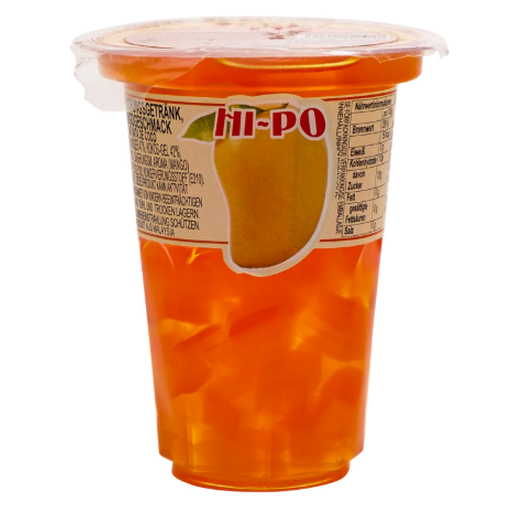
Why This Fits Their Persona: Ideal for anyone looking for a beverage that doubles as a light snack. The focus is clearly on the fun and satisfying texture of the coconut jelly pieces, combined with a classic tropical flavour.
This drink avoids the "texture trap" with an exceptionally high content of 42% Nata de Coco. Here, the jelly isn't an afterthought—it's the main event.
Very high content of chewy pieces; refreshing mango flavour; functions as both a drink and a light snack.
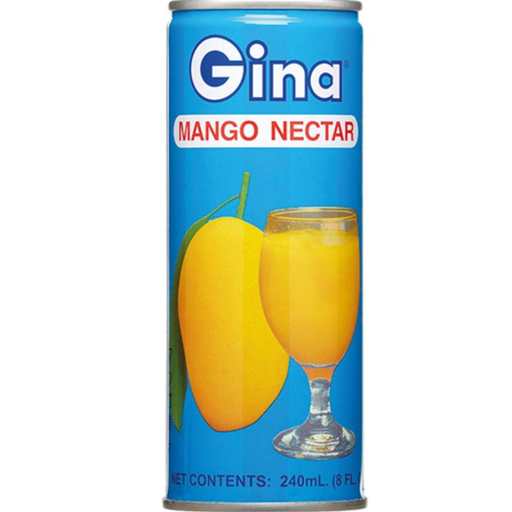
Why This Fits Their Persona: Perfect for purists who seek the authentic, dense, and rich taste of ripe mangoes. Its velvety nectar texture makes it a premium, indulgent drink rather than a light refreshment.
With a 35% mango purée content, this drink stands out clearly from watery fruit juice drinks. It bypasses the low-fruit-content trap and delivers an intense flavour experience.
Very high fruit content; thick, nectar-like consistency; authentic and intense mango flavour.
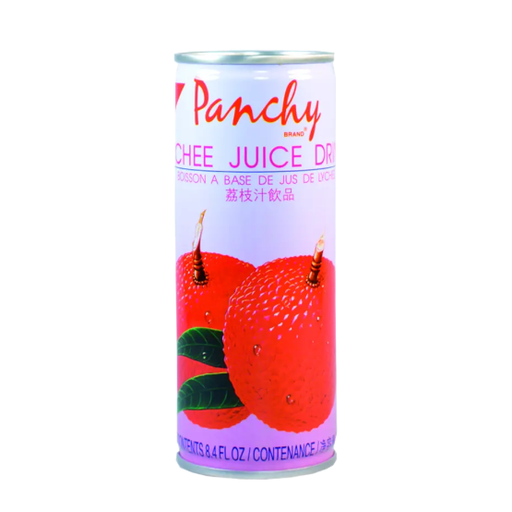
Why This Fits Their Persona: An ideal starting point for anyone wanting to try tropical juices. The light, floral, and sweet taste of lychee is approachable and not too extreme, making it a safe and refreshing choice.
This drink focuses on a clean, authentic flavour without unnecessary additives. It avoids the trap of overpowering or artificial aromas and offers an honest taste experience.
Classic, light lychee flavour; very refreshing when served chilled; great base for mocktails.
We've compiled a complete, up-to-date list of products that fully meet these strict selection criteria and EU regulations.
Nata de Coco is a chewy, translucent, jelly-like food produced by the fermentation of coconut water. It originated in the Philippines and is now used in many Asian desserts and drinks as a texturising ingredient. It has a subtly sweet flavour and a pleasant, firm consistency.
Most tropical juices and drinks develop their full aroma when served well-chilled. For drinks with additions like nata de coco or fruit pieces, it's recommended to gently shake the bottle or can before opening to distribute the solid components evenly.
No, that's not always the case. Many high-quality products, especially pure juices and nectars, get their colour directly from the fruit. However, fruit juice drinks or flavoured beverages more commonly use colourings to achieve an appealing look. A glance at the ingredients list will provide clarity. Products containing certain artificial colours must be labelled accordingly in the EU.