
Same-day & Next-day Delivery

Quality Guaranteed

Unlock Your Welcome Offers: FREE Delivery | Up to 80% OFF | Free 30-day JoyPlus trial
Download the APP
Exotic fruit drinks add variety to your drinks shelf – whether you’re pairing a lychee drink with Asian food, enjoying guava juice at breakfast or serving passion fruit juice at a party. But when you shop online, there’s more to consider than the product image. Terms such as “tropical”, “fruity” or “authentic” don’t tell you much on their own about the actual fruit content, sugar content or how much you’ll need.
This guide explains what shoppers in Germany should look out for when ordering tropical juices, fruit nectar or Asian drinks online.
The product description affects what’s in the drink. Fruit juice is generally made from juice or fruit purée, while fruit nectar also contains water and, depending on the fruit, may include sugar or other ingredients. A fruit drink may have a much lower fruit content.
That’s why it’s worth checking the ingredients list. Here are some examples from the selection:
An elaborate label is no substitute for a clear figure showing the fruit content.
Many exotic fruit drinks contain sugar or natural fruit sugars. The nutrition table shows how much carbohydrate and sugar there is per 100 millilitres. For larger bottles, it’s also worth considering how much you’re likely to drink.
Here are some of the figures given for comparison:
These figures describe the products; they aren’t a health assessment. If you’d like to enjoy the flavour with a meal or in small portions, you could choose a smaller can or bottle.
A 250 or 350 ml can is often ideal as a single serving. For families, regular enjoyment or a party, 1-litre bottles or multipacks may be more practical. Once opened, however, drinks can lose their flavour and quality more quickly. So check the storage instructions and how soon the drink should be consumed after opening before you buy.
Fruit content is a useful figure for comparing products. Look out for terms such as juice, juice from concentrate, fruit purée or fruit pulp. The ingredients list may also include acidity regulators, stabilisers and flavourings.
For products containing several fruits, the order matters: ingredients are usually listed by the amount they make up in the product. A drink containing apple, grape and pomegranate, for example, may taste quite different from a pure pomegranate nectar.
The figures per 100 ml make it easier to compare lychee drinks, guava juice, passion fruit juice and pomegranate juice directly. Pack size also matters in everyday use. A 1-litre pack contains ten 100 ml servings, while a 350 ml can is equivalent to three and a half of those servings.
If you’re buying fruit juice online, also check whether a deposit is included. A deposit is explicitly listed for some products, such as FOCO Guava Juice.
Unopened products are often stored in a cool, dry place away from direct sunlight. Many drinks need to be refrigerated once opened. The specific instructions vary:
When ordering online, also plan for the best-before date, the quantity being delivered and the storage space you have at home.
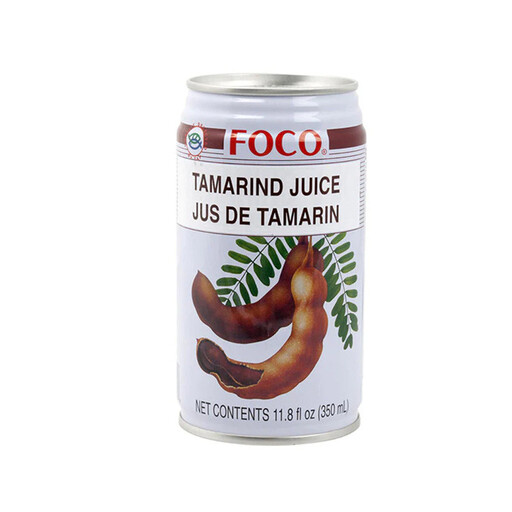
Why it suits this shopper: The 350 ml bottle is a manageable single serving for anyone looking to try tamarind juice for the first time.
The ingredients list states that it contains 20% tamarind pulp and 14 g of sugar per 100 ml. This makes it easier to assess than relying on general claims about fruit.
350 ml, ready to drink, with no allergens declared in the product information and clear storage instructions.
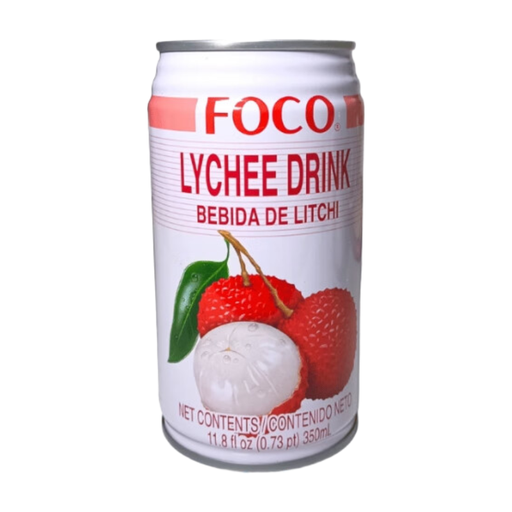
Why it suits this shopper: The stated lychee juice content of 30% will appeal to shoppers who want a clear figure for the fruit content in a lychee drink.
The fruit content is quantified in the product details. So you don’t have to judge the advertised lychee flavour from images or the product name alone.
350 ml, 48 kcal and 11 g of sugar per 100 ml according to the product information; ready to drink and can be served chilled.
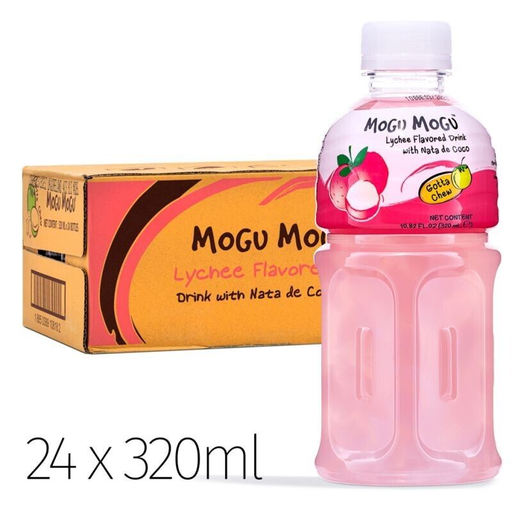
Why it suits this shopper: The 24 individual servings are ideal for households, offices or parties where Asian drinks are served regularly.
Individual servings reduce the risk of having to store a large bottle for a long time after opening. The nata de coco pieces also clearly set this product apart from classic juice.
24 bottles, each containing 320 ml; lychee flavour with coconut gel pieces; 8.5 g of sugar per 100 ml according to the product information.
We’ve put together a complete, regularly updated list of products that meet these strict selection criteria and fully comply with the safety regulations in force in the EU.
Fruit juice is made from juice or fruit pulp. Fruit nectar also contains water and may include sugar or other ingredients, depending on the fruit. Check the product description or label for the exact fruit content.
It depends on the product. Some drinks should be consumed within 24 hours, while others should be finished within two to five days. Keep opened bottles and cartons in the fridge if the packaging says to do so.
For several people, 1-litre packs or multipacks are often more practical. Individual servings such as 250 or 350 ml cans are a good choice if guests would like to try different flavours or you don’t want any drinks left open.