
Lieferung heute & morgen

Qualitätsgarantie

Willkommens-Angebote freischalten: KOSTENLOSE Lieferung | Bis zu 80 % RABATT | Kostenlose 30-Tage-JoyPlus-Testphase
App herunterladen
Exotic fruit drinks add variety to your drinks selection, from tropical fruit juices and mango drinks to guava juice and Asian beverages with nata de coco. When shopping online, however, the fruit pictured on the packaging is not the only factor that matters. Differences in fruit content, sugar, pack size and storage can have a significant impact on flavour, everyday practicality and the cost per serving.
Names such as “mango”, “lychee” or “pomegranate” initially reveal little about the actual fruit content. A drink may contain fruit purée, juice from concentrate, flavourings, sugar or a combination of these. Nectar should also not be expected to contain the same proportion of fruit as pure fruit juice.
Checking the ingredients list and nutritional table helps prevent disappointment. According to the product information, Rauch Happy Day Mango Nectar contains 24% fruit, including 21% mango purée and 3% passion fruit juice. Maaza Pomegranate Drink contains 19% pomegranate juice. Both products are therefore clearly fruit-based drinks rather than undiluted not-from-concentrate juices.
A 1-litre carton is suitable for a family household or for keeping in stock. Once opened, however, these drinks often need to be refrigerated and consumed within a few days. For individuals or households wanting to try several flavours, 320 or 350 ml cans may be more practical.
So, do not compare just the total price. Also consider the price per litre and the likely amount you will consume. A multipack containing six 1-litre cartons makes sense if the drink is served regularly. For occasional consumption, individual portions reduce the risk of an opened drink sitting in the fridge for too long.
A nata de coco drink is not just a liquid. The soft coconut jelly pieces give it a chewy texture. This is a distinctive feature, but it may not be suitable for small children or anyone who dislikes pieces in their drink.
In Mogu Mogu Coconut Flavoured Drink, nata de coco pieces account for 25% of the product. The drink should be shaken before serving so that the pieces are evenly distributed. For children under three, pay particular attention to the relevant safety instructions on the packaging when choosing products containing pieces like these.
Fruit content is a useful figure for comparison. Check whether mango, lychee, guava or passion fruit is included as juice, purée, concentrate or flavouring. The order of the ingredients is also relevant: the ingredient listed first is generally present in the greatest quantity.
Products containing purée may appeal if you prefer a sweet, fuller mango flavour. Those who enjoy a sharper note are more likely to find it in passion fruit, calamansi or pomegranate drinks. A mango drink with added passion fruit can taste quite different from a pure mango nectar.
Exotic fruit drinks often contain added sugar, as well as naturally occurring sugars from the fruit. The nutritional information per 100 ml makes comparison easier. Here are some examples from the product information:
These figures are based on the information provided for each product. As a glass often contains more than 100 ml, you should also take the actual amount you drink into account.
1-litre cartons save space and are suitable for several people. 320 or 350 ml cans can be chilled and served as individual portions. Also look out for deposit information, particularly on cans and single-use packaging.
Follow the manufacturer’s instructions once the product has been opened. For example, Rauch Happy Day Mango Nectar should be refrigerated and consumed within three days. Mogu Mogu Coconut Drink should be consumed within two days of opening. Depending on the packaging, unopened products should be stored in a cool, dry place away from direct sunlight.
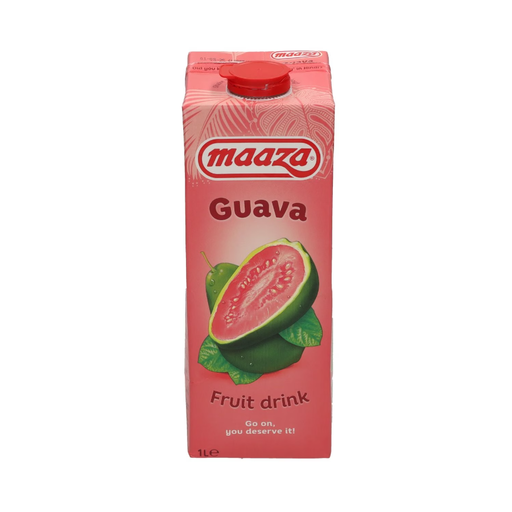
Why this product suits this profile: The 1-litre carton offers an accessible way to try guava juice at home and serve several glasses from one pack.
The stated 18% guava purée makes the fruit character clearer than a simple flavour description would.
1-litre format, 18% guava purée and 45 kcal per 100 ml according to the product information.
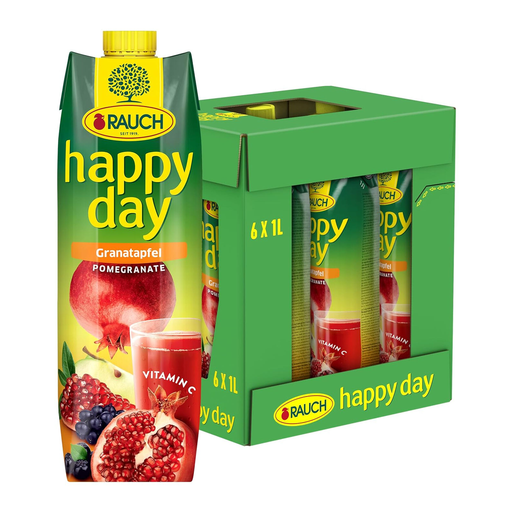
Why this product suits this profile: This multipack is aimed at households that regularly serve pomegranate juice and want to reduce how often they need to reorder.
The pack contains six units of 1 litre each; the fruit blend is listed as containing 30% fruit juice from concentrate.
6-litre supply, 40 kcal and 9.1 g of sugar per 100 ml according to the product information; refrigerate after opening and consume within three days.
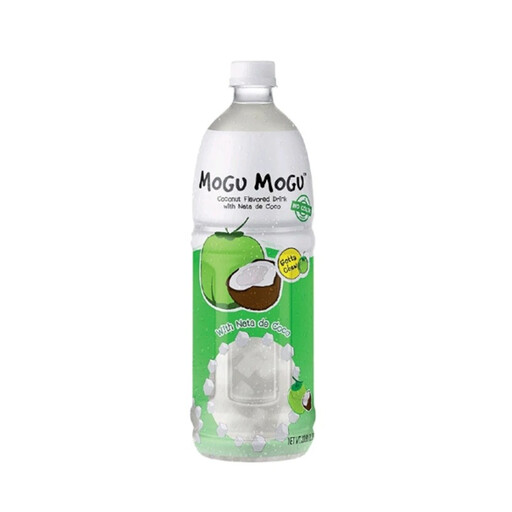
Why this product suits this profile: This drink is ideal for people looking for more than tropical flavour and who also want a clearly noticeable texture.
The 25% nata de coco content is clearly stated. The bottle should be shaken before drinking.
1-litre format, coconut flavour and 50 kcal per 100 ml according to the product data.
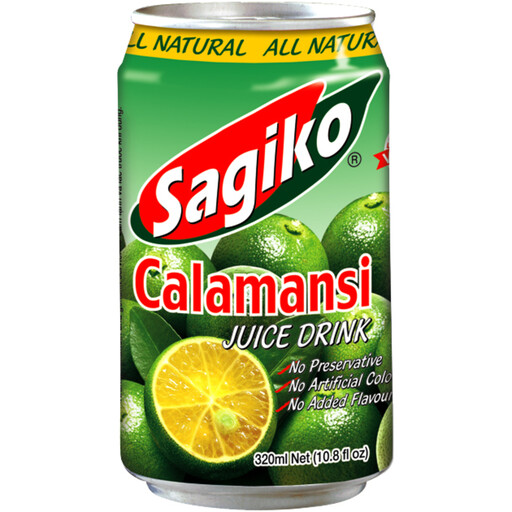
Why this product suits this profile: The 320 ml portion is ideal for chilled, individual consumption and for discovering a less familiar citrus fruit.
The small pack reduces the amount left over after opening. The flavour is described as a sweet and tart calamansi note.
320 ml, suitable for serving chilled, with no allergens listed in the product description; includes a 0.15 Euro deposit.
If you want to compare Asian drinks, you can start with the flavour profile you prefer:
When buying fruit drinks online, also check the current ingredients list, stated fruit content, nutritional values, best-before date and storage instructions on the relevant product page. Recipes and packaging may change.
We have put together a complete, regularly updated list of products that fully meet these strict selection criteria and the safety regulations applicable in the EU.
Fruit juice consists of juice or juice from concentrate. Depending on the type of fruit, fruit nectar contains a specified proportion of fruit and may be supplemented with water and sugar. A fruit drink may also contain flavourings, sugar, purée or fruit juice. The product name, ingredients list and nutritional table on the packaging are the key points to check.
This depends on the product. Opened 1-litre packs often need to be refrigerated and consumed within two to five days. Cans such as Sagiko Lychee Drink should be drunk immediately after opening, or refrigerated and consumed shortly afterwards. The specific manufacturer’s information on the label takes precedence.
Not every product containing coconut jelly pieces is suitable for small children. Because the pieces need to be chewed, the manufacturer’s safety instructions should be followed. Mogu Mogu Blackcurrant specifically warns of a possible choking risk for children under three.