
Lieferung heute & morgen

Qualitätsgarantie

Willkommens-Angebote freischalten: KOSTENLOSE Lieferung | Bis zu 80 % RABATT | Kostenlose 30-Tage-JoyPlus-Testphase
App herunterladen
By the Joybuy Product Recommendation Officer, August 30, 2026
Choosing the right inline skates for children can be a challenge. The market is filled with models promising durability and fun. However, behind the colourful designs and tempting offers, there are often costly defects that only become apparent after a few weeks. Many parents invest, assuming they are buying a product that will grow with their child, only to find that the enjoyment is short-lived.
This guide will show you the three most common pitfalls when buying kids' inline skates and explain which technical features you need to look for to make an informed and economical decision.
Before you make a purchase, it's important to know the typical weaknesses that often lead to disappointment and additional costs.
inline skates for beginner kids.adjustable inline skates feature is a key selling point. However, not all adjustment mechanisms are created equal. Stiff buttons, imprecise locking points, or a too-limited adjustment range negate the product's longevity and lead to pressure points or a lack of support as the child's foot grows.To avoid the pitfalls mentioned above, you should focus your attention on three core components. These determine the safety, ride comfort, and true lifespan of the skates.
The frame (chassis) is the backbone of the inline skate. There are two common materials here:
The quality of the wheels is directly responsible for the ride feel.
kids' inline skates. PU is an elastic plastic that absorbs shocks, rolls quietly, and has high abrasion resistance. A hardness rating like 82A indicates a good balance of grip and durability for recreational use.A secure fit is essential. A good closure system typically combines three elements: a ratchet buckle on the cuff for stability, a Velcro strap over the instep to secure the heel, and classic lacing for fine-tuning.
Even more important is the right protective gear. An inline skate set for kids with pads and helmet is the most practical solution for beginners. For the kids' skate helmet, it is crucial to look for certification according to the EN 1078 standard. This European standard ensures that the helmet provides sufficient protection for cycling and roller sports in the event of an impact.
Here are some product recommendations tailored to different needs and budgets, which take the aforementioned quality features into account.
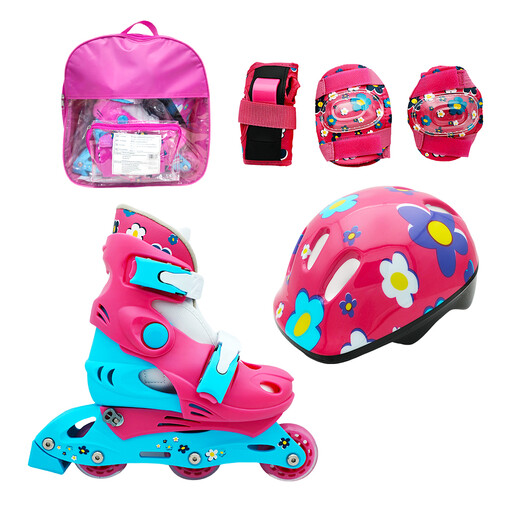
Why this set is a good fit: Ideal for parents looking for a straightforward, all-in-one solution for their child's first time on skates. The set includes everything needed to get started safely and immediately, without having to hunt for individual components.
Although the skates are equipped with entry-level PVC wheels, the main advantage lies in its completeness. It bypasses the risk of forgoing essential protective gear for cost reasons.
Complete set including a helmet, knee pads, elbow pads, and wrist guards. The skates are adjustable across 4 sizes.
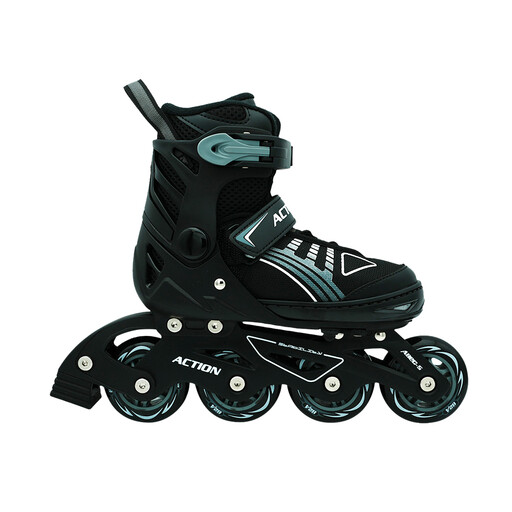
Why this model is a good fit: For children who already have some experience or for whom regular use is anticipated. The higher-quality materials support skill progression and offer more long-term riding enjoyment.
This model specifically bypasses the material traps: The sturdy aluminum frame prevents instability, while the 82A PU wheels with ABEC-5 bearings ensure a smooth and durable rolling performance.
Robust aluminum frame for stability and control. High-quality PU wheels for an optimal ride feel. Adjustable across 4 sizes via a push-button.
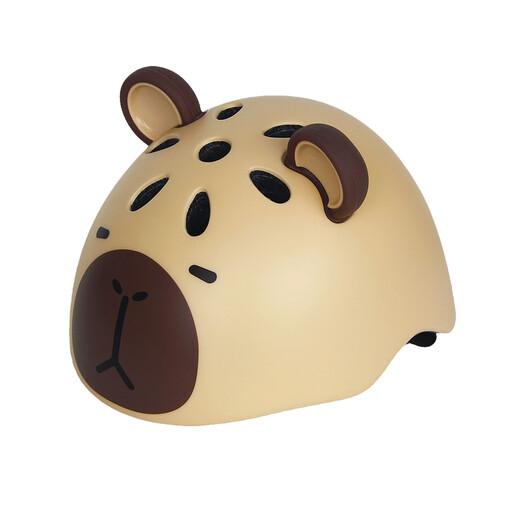
Why this product is a good fit: Safety is often perceived as boring. A helmet with an appealing design, like this capybara model, significantly increases acceptance among children. It combines a kid-friendly look with certified safety.
The biggest safety gap is often not the gear itself, but its non-use. A helmet that a child enjoys wearing bypasses the trap of "forgotten" or refused protective gear, ensuring consistent protection.
Attractive animal design with 3D ears. EN 1078 certified. Lightweight in-mould construction for high comfort and protection. Size-adjustable for an optimal fit.
We have compiled a complete, up-to-date list of products that fully meet these strict selection criteria and safety regulations.
First, loosen all buckles and Velcro straps. Find the adjustment button or lever, usually located on the side or heel of the skate. Press it while simultaneously pulling the front part of the boot forward until the desired size is reached. Most models have a marking (e.g., S, M, L, XL or A, B, C, D) that clicks into place. The boot should fit snugly without pinching the toes.
Look for the material specification PU (Polyurethane) in the product description. PVC wheels should be avoided if possible. Another indicator is the hardness rating (e.g., 82A), which suggests a deliberate choice of material. High-quality wheels feel slightly rubbery, whereas PVC wheels are hard and rigid like plastic.
While laws vary by region, there is often no universal legal requirement for helmets while inline skating. However, wearing a helmet is strongly recommended by all safety experts. The head is particularly vulnerable during falls, and a helmet certified to the EN 1078 standard can effectively prevent serious injuries.