
Lieferung heute & morgen

Qualitätsgarantie

Willkommens-Angebote freischalten: KOSTENLOSE Lieferung | Bis zu 80 % RABATT | Kostenlose 30-Tage-JoyPlus-Testphase
App herunterladen
The variety of cat food is immense, and for many cat owners, the decision of what ends up in the bowl each day is a significant one. However, marketing promises and unclear ingredient lists often make it difficult to make an informed choice. This guide will help you identify the crucial quality markers and avoid common purchasing traps, so you can find the right food for your adult cat's needs.
When trying to find the right food, cat owners repeatedly encounter the same misleading claims. Knowing what they are allows you to search more effectively for high-quality products.
To objectively assess the quality of cat food, you should focus on three essential aspects. These will help you correctly interpret the information on the packaging.
The type of ingredients list (declaration) is a key indicator of the manufacturer's transparency.
The choice between wet cat food and dry cat food depends on your cat's individual needs and your own preferences.
A mixed-feeding approach can combine the advantages of both types of food.
A balanced diet for adult cat food must contain certain nutrients that are essential for health.
Based on the criteria mentioned, we have put together a selection of products that suit different requirements and cat profiles.
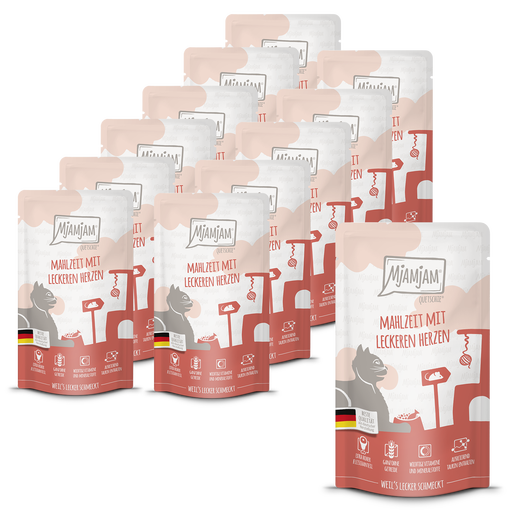
Why This Fits Their Persona: Ideal for owners seeking a species-appropriate, grain-free diet with maximum transparency. The focus is on a very high meat content from clearly declared sources.
This food avoids the vague "high meat content" trap by using an open declaration. It lists exactly which types of meat and offal are included (e.g., 41.5% beef, 15% chicken liver).
Very high meat content with complete transparency. Consistently avoids grains, sugar, and artificial additives.

Why This Fits Their Persona: Perfect for owners of cats that quickly lose interest in their food. The mix of different flavours and textures in jelly provides variety and ensures high acceptance.
This food doesn't rely on exaggerated marketing claims but on a proven solution for picky eaters: variety. While the declaration is closed, the Felix brand is known for its high palatability.
Multipack with four different fish varieties (tuna, salmon, cod, plaice) prevents dietary monotony. Convenient single-serving pouches guarantee freshness.
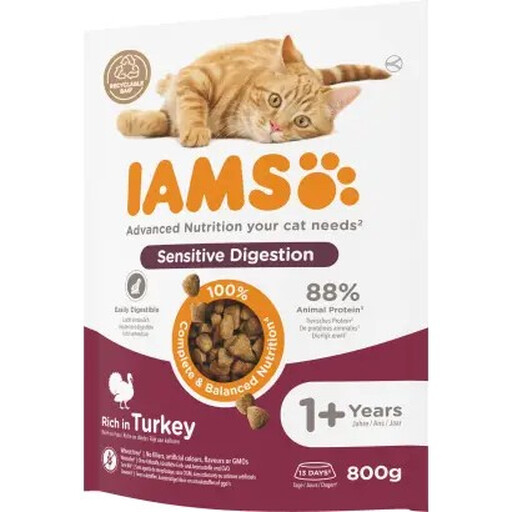
Why This Fits Their Persona: A great choice for owners who appreciate the convenience of dry food but don't want to compromise on a protein-rich, easily digestible formula, especially for cats with sensitive stomachs.
This food moves beyond the simple "grain-free" debate by being wheat-free but including easily digestible rice. It specifies the percentage of animal protein (88% of the total protein), creating transparency.
High in animal protein and features a formula with prebiotics to support healthy digestion. Wheat-free composition.
We have compiled a complete, up-to-date list of products that fully meet these strict selection criteria.
The required amount of food depends heavily on the cat's weight, age, activity level, and the food's calorie density. As a rough guideline, an average-activity, 4 kg cat needs about 200 to 300 grams of wet food per day, divided into at least two meals. However, always follow the manufacturer's feeding recommendations on the packaging, as they are tailored to the product's specific composition.
Yes, so-called mixed feeding is a common and often recommended method. It combines the benefits of both food types: high moisture intake from wet food and the positive effects of dry food on dental health and your budget. It's important to keep an eye on the total calorie intake. Reduce the portions of both food types accordingly, rather than simply adding them together, to avoid overfeeding.
Signs of food intolerance can be varied. Look for objective symptoms such as persistent digestive issues (diarrhoea, vomiting, flatulence), skin changes (severe itching, flaky skin, a dull coat), or behavioural changes like lethargy and loss of appetite. If such symptoms occur, it is advisable to consult a veterinarian to determine the cause.