For family letter scans with several versions of a project, a portable HDD is a suitable place to store them if the archive will mostly stay in one location. An SSD may be a better option if you move it around often or copy large collections. It’s also important to set up and test version history, and to keep another copy somewhere separate. The German Federal Office for Information Security notes that the lifespan of storage media cannot be predicted precisely, while Microsoft Support and Apple Support explain that their recovery features need to be set up first.
Who is this selection suitable for?
Family archive keepers
If you want to be able to open your original scans again after a drive failure, plan to store them in more than one place. The German Federal Office for Information Security and eco – Association of the Internet Industry recommend backing up data in multiple ways.
People managing multiple project versions
If you regularly correct, transcribe or organise letters, setting up version history can help you return to an earlier version of a file. Microsoft Support and Apple Support explain the features available in their respective operating systems.
People safeguarding confidential letters
If you carry your archive around, or other people might be able to access where it’s stored, consider how to protect personal content from unauthorised access. The German Federal Office for Information Security describes software- and hardware-based encryption as some of the available options.
What should you look for when buying?
Portable HDD for mostly stationary storage
A good fit if: You mainly store scans and project versions, transferring them only occasionally. Choose a capacity that suits the files you already have and expect to add.
Consider: CHIP describes HDDs as an option when top data-transfer speeds aren’t a priority. Still, check the connection and file system of the specific model.
Portable SSD for frequent travel
A good fit if: You often move your project between workstations or regularly copy large collections of scans, and your computer has the right connection.
Consider: A manufacturer’s maximum speed claim, such as that for the Samsung T7, depends on specific connection conditions. It doesn’t tell you how fast your own file transfer will be.
| Consideration |
What to check before buying |
Who prioritises this? |
| Recoverability |
Plan to keep another copy separately, and test whether you can open and restore files from it. |
If I want to be able to open irreplaceable scans again after a failure, one drive isn’t enough. Around 26% of consumers put recoverability first. |
| Older project versions |
Check your operating system’s backup feature, which folders it covers and whether you can restore an older file. |
If I want to return to an earlier version after making changes, I look for version history that’s actually been set up. Around 26% of consumers prioritise being able to access older project versions. |
| Storage capacity |
Check the size of your existing project folders and allow for more scans and planned versions before choosing a capacity. |
If my scan folders are growing and I want to keep several versions, I need to choose a capacity that suits my files. Around 21% of consumers put storage capacity first. |
| Confidential content |
Check the security feature, unlocking method and supported computers for the exact model. Also look out for information about security updates. |
If other people might be able to access a drive I’m carrying, I want to protect personal letters from unauthorised access. Around 16% of consumers prioritise confidentiality. |
| Connection and file system |
Compare the plugs and cables with your computers, and check the file system and backup software setup before formatting any data. |
If I want to use the archive on the computers I have in mind without unnecessary workarounds, I check the connection and file system in advance. Around 11% of consumers put device compatibility first. |
Which buying and setup mistakes should you avoid?
-
Keeping the only copy of your archive on the new drive
A single storage device can fail, and the German Federal Office for Information Security notes that its lifespan cannot be predicted precisely. A backup is only useful if you can open the files on it again.
Keep another copy somewhere separate and try restoring a file from it.
-
Confusing extra storage with automatic version history
A drive won’t automatically keep a history of older versions. With Windows File History and Apple Time Machine, you can only go back to earlier versions if the backup has been set up and includes the relevant folders.
Choose which project folders to back up, then test restoring an older version of a file.
-
Checking only the USB plug
Even if you can connect a drive, its file system and backup setup may matter for the way you plan to use it. Toshiba says the Canvio Basics model comes preformatted with Windows NTFS, so it needs to be reformatted for macOS. Apple notes that setting up Time Machine may erase the selected volume.
Check the exact model and cable against your computers, and check the file system before formatting any existing data.
Depending on your computer, you may need an adapter. Reformatting and setting everything up again take time, and formatting can erase existing data.
-
Treating encryption as a substitute for a backup
Access protection and recovery solve different problems: encryption won’t prevent a drive from failing. Verbatim also notes that a security update is available for its Fingerprint Secure model.
Choose access protection to suit your needs, keep your login details safe, install manufacturer updates and maintain a separate backup.
Key brands to consider
Toshiba
Canvio Basics is a range of portable HDDs for straightforward storage. The EMEA product page lists the HDTB520EK3AA model with 2 TB, among others.
- Toshiba says the drive is powered via USB and comes with a Type-A to Micro-B cable.
- According to Toshiba, its preformatted Windows NTFS file system needs to be reformatted for macOS. This doesn’t tell you how reliable an individual drive will be.
Western Digital
The My Passport range includes portable HDDs. The data sheet referenced here describes backup software and password protection.
- The data sheet lists capacities from 1 to 6 TB, as well as hardware encryption.
- Check the software, operating system compatibility and what’s included for the exact model on offer. Don’t assume the same details apply to other ranges.
Seagate
Expansion Portable is a range of HDDs for adding external storage and keeping files.
- Seagate lists USB 3.0 and drag-and-drop file storage among the product features.
- If you want to keep older project versions, you’ll need to set up a suitable backup feature separately. Manufacturer claims about speed or protection aren’t independent test results.
Samsung
The portable SSD T7 is one option for frequent transfers and travel. The German product page lists the grey 1 TB model, MU-PC1T0T/WW.
- Samsung advertises speeds of up to 1,050 MB/s for the T7 under the stated connection conditions.
- The maximum speed claim doesn’t confirm how fast it will be on your computer or guarantee longer-term archive storage.
Verbatim
Fingerprint Secure 1 TB is aimed at people who want to add another layer of access protection to a portable archive.
- Verbatim lists fingerprint access and 256-bit AES hardware encryption.
- Verbatim notes that a security update is available. The manufacturer’s claim of GDPR compliance isn’t an independent legal assessment and doesn’t mean everyone needs to buy this product.
Joybuy products for scans and project versions
This selection includes external HDDs and a portable SSD for storing scans and project files, with options for both mobile and mostly stationary use.
 No image available
WD Elements 2 TB, USB-C, exFAT
A portable HDD for scans and project files if you want to use it with both Windows and macOS computers.
2 TB; USB-C; USB 3.2 Gen 1; 2.5-inch; exFAT.
Joybuy
 No image available
WD Elements 8 TB Desktop
A desktop drive for a larger collection of scans and project files, if the extra space suits your needs.
8 TB; USB 3.0; 3.5-inch. The supplied power adapter is required while the drive is in use. The product description says it needs to be reformatted for macOS.
Joybuy
 No image available
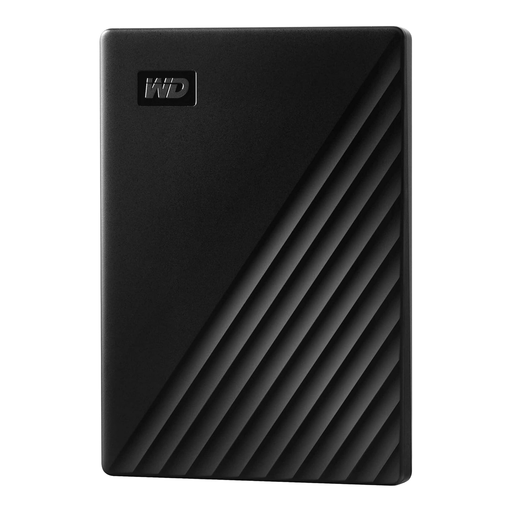
WD My Passport 2 TB
A portable HDD for external storage if you also want to use scheduled backups and password protection.
2 TB; the product description lists scheduled automatic backups and password protection.
Joybuy
 No image available
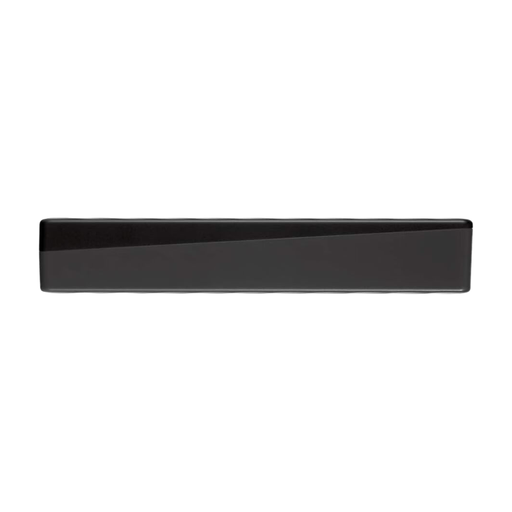
WD My Passport 5 TB
A portable HDD for larger collections of scans and project files if you also want password protection and hardware encryption.
5 TB; 2.5-inch; USB 3.0; the product description lists 256-bit AES hardware encryption.
Joybuy
 No image available
Samsung Portable SSD T7 2 TB, Titanium Grey
A portable SSD for scans and project files if you often carry your archive around and want an extra access lock.
2 TB; USB Type-C 3.2 Gen 2; hardware encryption with password protection. The product description says USB-C to USB-C and USB-C to USB-A cables are included.
Joybuy
Frequently asked questions
Will a new external hard drive automatically save older versions of my letters?
No. Older versions are only kept if you set up a suitable backup method. On Windows, File History can restore earlier versions of backed-up folders; on a Mac, Time Machine lets you go back to older versions. Check that your project folder is included.
Can I use a Time Machine drive as a general-purpose project archive too?
Apple recommends using the Time Machine backup volume only for Time Machine backups, and not storing other files on it. Keep a separate location for project folders you want to edit freely. The selected volume may be erased during setup.
What should I check after my first backup?
Try opening files from the backup and restoring an older version. The German Federal Office for Information Security notes that simply having a storage device doesn’t guarantee you’ll be able to restore your data later.
Does the GDPR require an encrypted hard drive for privately stored family letters?
The European Data Protection Board generally explains that the GDPR’s household exemption applies to data processed by a natural person solely for personal or family activities. Whether a particular use goes beyond this, for example through publication or a work project, depends on the circumstances. If someone else might access the drive, encryption is a protective choice, but it isn’t a blanket legal requirement for every family archive.


