Choose a drive based on your backup routine, the level of access protection you need and the computers you actually use. An external HDD may suit you if most scans stay in one place and capacity is your priority. A portable SSD is worth considering if you often transport or copy files. A single drive is no substitute for a separate, tested backup. If your scans contain personal data, make sure your access protection is appropriate for the circumstances too.
Which option is right for your group?
Groups with one-off scans
If documents cannot simply be scanned again after they are lost, having a practical backup and recovery routine matters at least as much as choosing the drive. Germany’s Federal Office for Information Security recommends checking backups from time to time to make sure they are complete and readable.
Groups with confidential documents
If scans contain personal information, your group should consider who is allowed to access them and how to prevent loss or unauthorised sharing. Germany’s Federal Commissioner for Data Protection and Freedom of Information lists associations among non-public bodies. The appropriate safeguards depend on the circumstances.
Teams using different computers
If several people use different computers, compatible connections, a suitable file system and a reliable handover process matter more than a headline speed claim. Check the devices you actually use before deciding to share a drive.
What should your group consider?
External HDD
A good fit if: Most scans stay in one place and you want to plan for storage capacity first.
The trade-off: CHIP describes 2.5-inch HDDs as a storage-focused option when top data rates and the shortest access times are not a priority.
Portable SSD
A good fit if: People responsible for the scans often move them between work locations or regularly copy large volumes of files.
The trade-off: Advertised peak speeds depend on having a compatible host and cable. They are no substitute for a second copy or a recovery test.
| Concern |
What to check before buying |
Who is this important to? |
| Recoverability |
Allow for your current scan volume and future growth, as well as space for a separate copy; agree who is responsible and schedule a recovery test. |
If I need to be able to open my scans after a drive failure, I’ll plan for a separate copy and a recovery test. Around 33% of consumers say recovery is their most important buying concern. |
| Confidentiality and access |
Establish which scans contain personal data, who is allowed to read them, and how encryption and recovery keys will be managed. |
If our documents contain personal information, I want to control access and keep the key stored safely. Around 27% of consumers put confidentiality and controlled access first. |
| Use across multiple computers |
Check operating systems, USB ports, cables and file systems; test reading, writing and opening a sample file. |
If we use the same scans on different computers, I want to check in advance that the files will remain readable. Around 20% of consumers say using different computers is their main concern. |
| Capacity and effort |
Check the files you already have and estimate future growth; also allow for the storage needed for a separate backup. |
Before choosing a particular drive size or transfer speed, I want to know how much scan data we have and how much it is likely to grow. Around 20% of consumers prioritise capacity planning. |
Avoid common buying mistakes
Suitable products at Joybuy
The following Joybuy products include external HDDs and portable SSDs for storing or transporting group scans.
 No image available
WD Elements 2 TB portable external HDD
An HDD option if you want to store and transport your group’s scans externally.
- 2 TB
- USB-C, USB 3.2 Gen 1 and 2, 2.5-inch
- exFAT, black
View at Joybuy
 No image available
Samsung T7, external SSD, 2 TB, Indigo Blue
A portable SSD option if you want to take scans between work locations.
View at Joybuy
 No image available
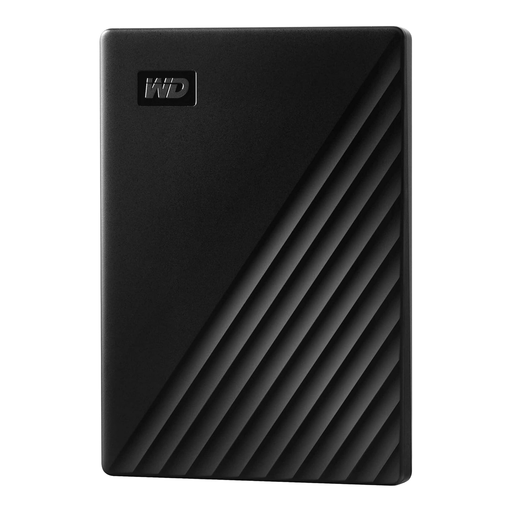
WD My Passport, external HDD, 2 TB, black
A portable HDD option for storing group documents externally.
- 2 TB
- USB-C, exFAT, black
- The product name mentions password protection. For confidential scans, check whether the specific protection method meets your requirements.
View at Joybuy
 No image available
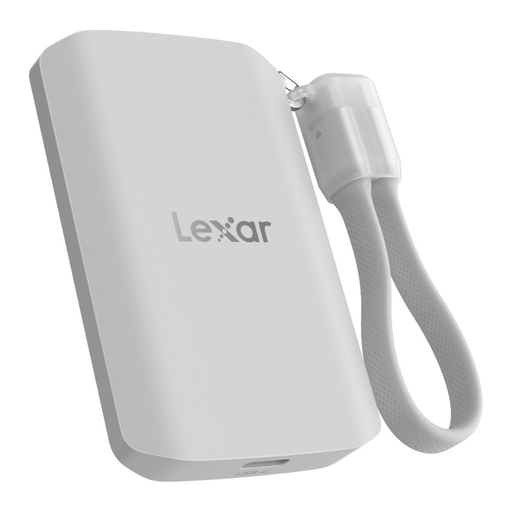
Lexar ES5, portable SSD, 1 TB
A portable SSD option if you want to store or transfer scans on the move.
- 1 TB
- USB 3.2 Gen 2x2
- The product listing quotes read and write speeds of up to 2,000 MB/s. This peak figure requires USB 3.2 Gen 2x2 and may be lower on other systems.
View at Joybuy
 No image available
WD Elements desktop HDD, 8 TB
A desktop HDD option if you want to store large volumes of scans at a fixed workstation.
- 8 TB
- USB 3.0, 3.5-inch
- The product information says a power adapter is required; reformatting is needed for macOS.
View at Joybuy
Frequently asked questions
Is a single external drive enough for archiving and backing up?
No, not if you want to avoid losing your only copy. Keep a separate backup and check from time to time that you can restore the scans in full and read them. Germany’s Federal Office for Information Security also cites building damage as a reason to keep a copy in another location.
What should we set up before using the drive with several computers?
Check operating systems, ports, cables and file systems against the devices you actually use. Test that you can read, write and open a file on the computers you need to use, and check that your backup software works on them too.
Do we need to buy a particular SSD for scans containing personal information?
No. Choosing an SSD model alone does not address data protection. Germany’s Federal Commissioner for Data Protection and Freedom of Information explains that those responsible for handling personal data must take appropriate technical and organisational measures to protect it. Decide who needs access, how data will be protected and recovered, and whether any encryption you choose has actually been set up.
What ongoing tasks and warranty terms should we allow for?
Allow for a separate backup drive and time for regular recovery tests. Also check the warranty terms for the exact model. According to the manufacturer, liquid or dust damage to the Samsung T7 Shield is not covered by the warranty, despite its IP65 rating.


