What should you check before buying?
The German Federal Institute for Risk Assessment recommends keeping cut vegetables chilled and eating them soon. The German consumer advice centre advises storing fruit and vegetables separately from foods such as meat and eggs.
| Consideration |
What to check when buying |
Who it matters most to |
| Chilling and hygienic separation |
Food fridge compartment and space for covered containers; check the temperature where you plan to store food. |
If I’m storing prepared cucumber slices, I want to keep them chilled, covered and separate from other food. Reliable chilling and hygienic separation are likely to be the main concern for around 36 % of consumers. |
| Suitable storage space |
Container and shelf dimensions, the total capacity you need, external dimensions and door clearance. |
If I’m only chilling a small container, I don’t want the appliance to take up more room than necessary; if I’m storing other food too, there still needs to be enough space. Around 29 % of consumers are likely to focus above all on a suitable size and usable storage space. |
| Energy consumption and noise |
Compare the stated kWh per year, fridge capacity and airborne noise emissions in dB. |
If an extra appliance runs all the time in a shared room, its energy consumption and noise matter to everyone. Energy use or operating noise is likely to be a key concern for around 21 % of consumers. |
| Positioning and care |
Door hinges, clearance when the door is open, defrosting method and instructions in the appliance manual. |
If space is tight, I want to be able to open the door easily and know how much care the appliance needs before I put it in place. Around 14 % of consumers are likely to consider positioning and potential ongoing costs particularly important. |
Joybuy appliances for extra chilled storage
The following Joybuy appliances offer designated food storage space, from compact add-on models to larger fridges. Compare the dimensions and usable fridge capacity; for models with a freezer compartment, consider how much of the total capacity it takes up.
 No image available
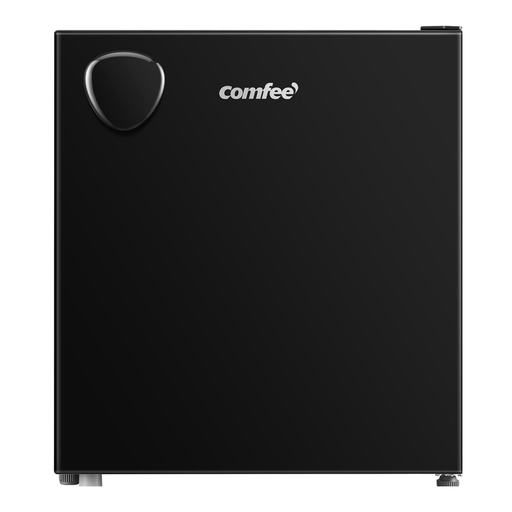
Comfee' RCD48BL2EUY(E), mini fridge, 43 l
A compact extra chilled storage option; the product description mentions a vegetable compartment for cucumbers.
43 l; 80 kWh/year; three temperature settings; width 44,5 cm; reversible door hinges. The description also mentions a vegetable compartment with high humidity.
View at Joybuy
 No image available
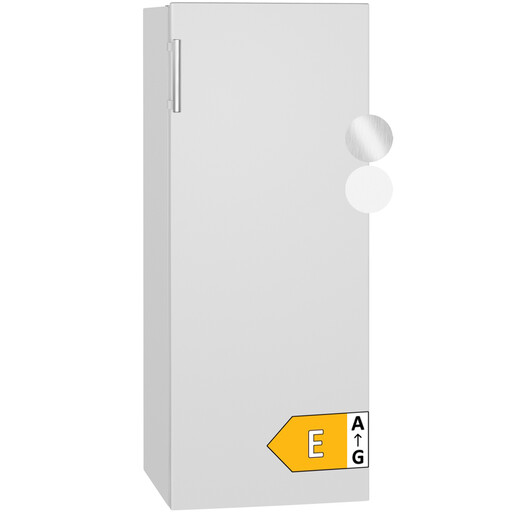
Bomann VS 7316.1, fridge without freezer compartment
For shared chilled storage when you need room for more than just cucumber slices.
242 l; 104 kWh/year; 40 dB; five glass shelves. The product description mentions a transparent salad drawer and a temperature setting of 0 to +8 °C; the appliance is approximately 143,4 cm tall.
View at Joybuy
 No image available
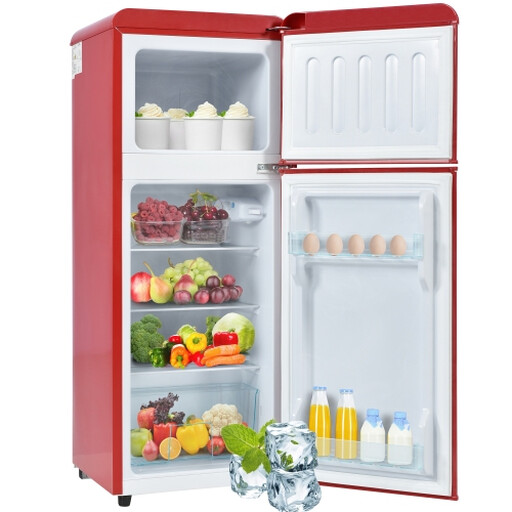
Retro mini fridge, 92 l total capacity, red
Compact extra chilled storage; bear in mind that this model also has a freezer compartment.
92 l total capacity; the product description gives 64 l for the fresh food compartment and 28 l for the freezer compartment; 116 kWh/year. Seven temperature settings and adjustable shelves are listed.
View at Joybuy
 No image available
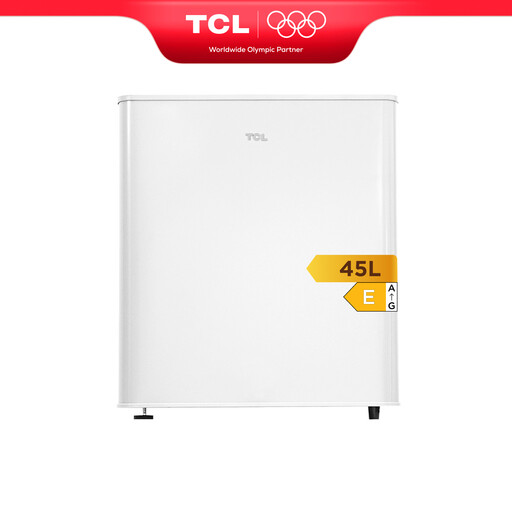
TCL RF60DWE0, tabletop fridge, 45 l
A compact choice when there’s only a small amount of space available for an extra fridge.
45 l total capacity; fridge compartment with a stated temperature range of 0 to 10 °C; 40 dB; manual defrosting. Dimensions are 449 × 485 × 512 mm. This model is sold with a freezer compartment.
View at Joybuy
 No image available
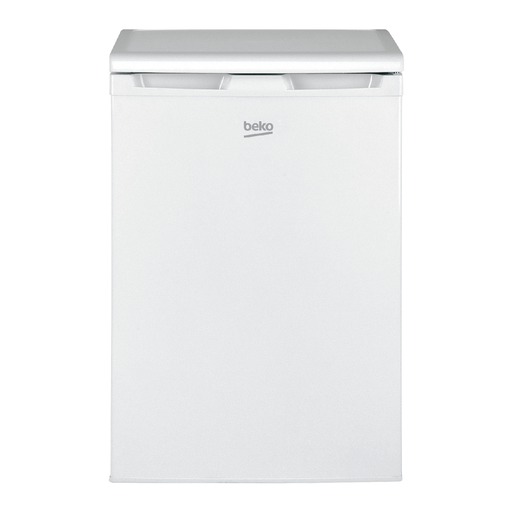
Beko TSE1284N b100, tabletop fridge, 114 l
A separate chilled storage option if you want a salad drawer and more fridge space than very compact models offer.
114 l total capacity, including 101 l of fridge space and a 13 l freezer compartment; 36 dB; dimensions 59 × 54 × 84 cm. The product description mentions a salad drawer and a reversible door.
View at Joybuy
Frequently asked questions
How should I store prepared cucumber slices in a shared fridge?
Keep the slices chilled, covered and separate from foods such as meat and eggs, and eat them soon. Use clean hands and utensils when preparing them. The German Federal Institute for Risk Assessment and the consumer advice centre provide food hygiene guidance; this doesn’t mean there’s a legally prescribed storage time for every household.
Is a setting of 7 °C required for every food?
No. The consumer advice centre gives 7 °C on the top shelf of the fridge as a guide. For cut vegetables, what matters is that they’re actually kept cool, stored hygienically and eaten soon. The setting on the dial doesn’t automatically show the temperature at the storage spot.
What should I bear in mind when positioning and caring for an extra fridge?
Before buying, check the external dimensions and the space needed to open the door. Follow the instructions for the specific model for clearances and setting it up. If it needs to be defrosted manually, allow for the extra upkeep and clean the appliance regularly.
How can I compare energy consumption and operating noise?
Compare the stated annual energy consumption in kWh alongside the fridge capacity and airborne noise emissions in dB. The consumer advice centre recommends taking energy consumption figures and the EU energy label into account when choosing a fridge; actual use may differ from the stated figures.
Can an old fridge go in household waste, and does a retailer have to take it back?
No. Waste electrical appliances must be collected separately. Local collection points generally accept them free of charge. Under § 17 ElektroG, when you buy a new appliance, a retailer must take back an old appliance that is essentially the same type free of charge, provided the legal requirements for the retailer are met; this also applies to distance selling. Before placing your order, check how the return or collection will be arranged.


