
Lieferung heute & morgen

Qualitätsgarantie

Willkommens-Angebote freischalten: KOSTENLOSE Lieferung | Bis zu 80 % RABATT | Kostenlose 30-Tage-JoyPlus-Testphase
App herunterladen
The selection on the supermarket shelf can be overwhelming: Which olive oil is right for salads, which is suitable for searing, and what do the various labels on the bottle mean? Choosing the right oil is crucial for the success of your dishes and for unleashing their full flavour.
This guide is designed to provide you with clarity. We will introduce objective criteria to simplify your selection and present a curated list of olive oils for different culinary applications.
To find the perfect product, it's helpful to understand a few fundamental characteristics. The following points offer guidance for your purchasing decision.
The most important distinction in olive oil is its quality grade. This indicates the production method and overall quality.
The smoke point is the temperature at which an oil begins to smoke and break down. The choice of oil should therefore depend on the cooking method.
The origin of the olives significantly shapes the oil's character. Italian olive oil is often known for its grassy and slightly peppery notes, while Greek olive oil, especially from certain regions, can be milder and fruitier. Seals like PDO (Protected Designation of Origin), for example with Kalamata olive oil, guarantee that production, processing, and preparation take place within a specific geographical area according to a recognised and registered process.
Based on these criteria, we have compiled a selection of products for various culinary needs.

What makes it stand out This oil from Bertolli is specifically designed for use at high temperatures. It consists of a blend of refined and virgin olive oils. According to the manufacturer, it can be heated up to 195°C, making it a practical option for everyday cooking.
Benefits
Who it's for This product is aimed at home cooks looking for a reliable and versatile olive oil for frying for daily use.
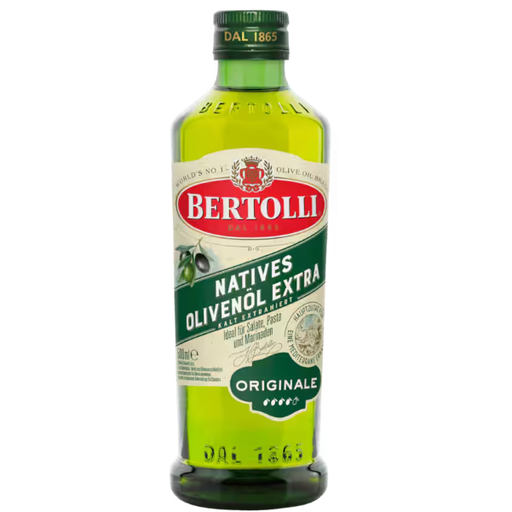
What makes it stand out The Bertolli Originale is an extra virgin olive oil and a versatile classic. It is produced by cold pressing and is characterised by a balanced, fruity aroma with a light spiciness.
Benefits
Who it's for This oil is an excellent choice for anyone seeking a high-quality, all-rounder oil for cold dishes and for finishing foods. It is a fitting olive oil for salad and other cold preparations.
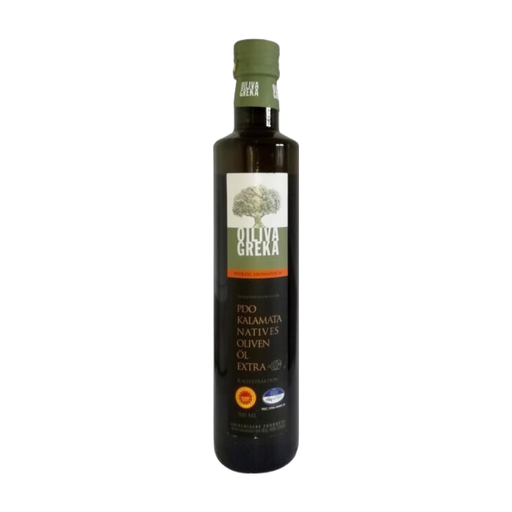
What makes it stand out This Greek olive oil bears the PDO Kalamata (Protected Designation of Origin) seal. This means it is produced exclusively from olives from the famous Kalamata region using traditional methods. This gives it an authentic taste characteristic of the region.
Benefits
Who it's for This product is ideal for gourmets and lovers of Mediterranean cuisine who value traceable origin and a distinctive, terroir-driven flavour.
If you wish to explore other bottle sizes or specific types of oil, you will find a wider selection of products for your kitchen in our 500ml Oil category.
Yes, frying with extra virgin olive oil is possible at low to medium temperatures, for instance, for gently sautéing vegetables. However, for high-heat searing, special heat-resistant olive oils are more suitable, as their smoke point is higher and the delicate aromas of cold-pressed oil can be lost at excessive heat.
"Cold-pressed" is a term that describes a mechanical production process without the application of heat. This method is used to obtain extra virgin olive oil. By avoiding heat, the temperature-sensitive aromatic compounds and valuable nutrients of the olive are preserved as much as possible.
Olive oil is sensitive to light, heat, and oxygen. Therefore, always store it tightly sealed in a cool, dark place—for example, in a kitchen cupboard, but not next to the stove. Storing it in the refrigerator is not recommended, as the oil can become cloudy and solidify.