
Lieferung heute & morgen

Qualitätsgarantie

Willkommens-Angebote freischalten: KOSTENLOSE Lieferung | Bis zu 80 % RABATT | Kostenlose 30-Tage-JoyPlus-Testphase
App herunterladen
The search for a high-quality organic olive oil can quickly become overwhelming. The market is vast, and labels are filled with jargon whose meaning isn't always immediately clear. Many consumers invest in what they believe is a premium product, only to find that it doesn't meet their expectations in terms of taste or quality. This guide will help you identify the key quality indicators and avoid common purchasing pitfalls.
Before we dive into the selection criteria, it's helpful to clarify three widespread misconceptions that often lead to poor purchasing decisions:
To ensure you get a product that is worth its price, you should focus on three core parameters. These will help you objectively assess the quality.
The foundation of any good olive oil is its quality grade. Look for the designation extra virgin olive oil. This means the oil was extracted directly from olives using exclusively mechanical methods.
Another important feature is the term cold-pressed or "cold-extracted." This indicates that the temperature did not exceed 27°C (80.6°F) during the entire extraction process. This gentle method is crucial for preserving the volatile aromas and health-promoting polyphenols.
A precise origin statement is a strong quality indicator. Oils from a specific region, such as Greek olive oil from Crete or Italian olive oil from Sicily, often possess a unique flavour profile shaped by the local terroir.
Additional seals offer further guidance:
A responsible producer will protect their oil from light. Therefore, favour products in dark glass bottles, tins, or ceramic containers. After opening, you should store the oil in a cool, dark place and consume it within a few months to preserve its freshness.
Based on the criteria mentioned, we have curated a selection of products suitable for different profiles and applications.
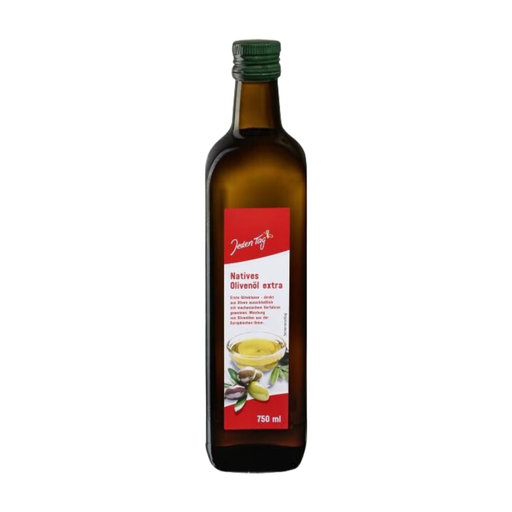
Why It's a Match: Ideal for daily kitchen use when excellent value for money is the priority. It offers "extra virgin" quality for everyday dishes without breaking the bank.
This oil is transparently declared as a "blend of olive oils from the European Union." It avoids the trap of unclear origin through transparency, which explains its competitive price while still meeting the "extra virgin" standard.
The 750 ml bottle provides a generous amount for regular use, making it a versatile, everyday oil for cooking and dressings.
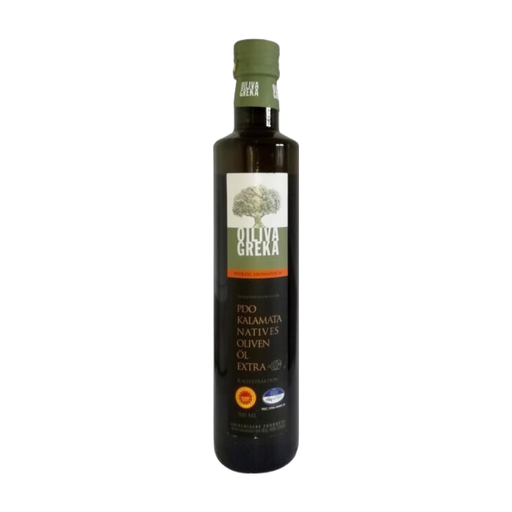
Why It's a Match: Perfect for connoisseurs seeking an authentic flavour experience with a guaranteed origin. Ideal for salads, dipping with bread, or finishing dishes where the oil's taste is meant to shine.
The PDO (Protected Designation of Origin) seal for Kalamata guarantees that the olives originate from and were processed in this specific Greek region. This completely sidesteps the pitfall of a vague origin.
A Protected Designation of Origin that ensures a characteristic, terroir-driven aroma and consistently high quality.
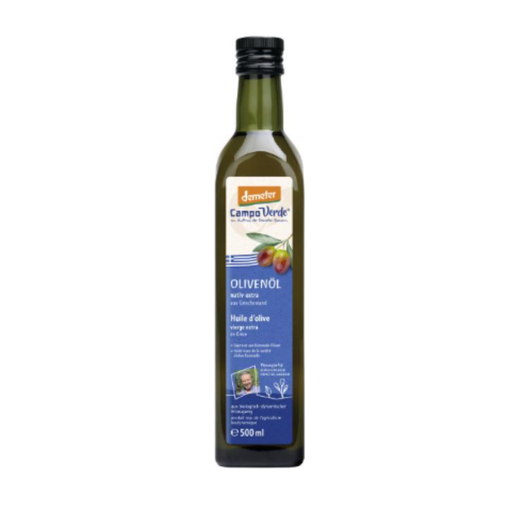
Why It's a Match: For consumers who prioritise the highest ecological standards and holistic, sustainable agriculture. This oil is an excellent high-quality **olive oil for salads** and cold dishes.
The Demeter certification goes far beyond the standard organic seal. It represents biodynamic agriculture, which treats the farm as a self-contained ecosystem and sets the highest standards for ecological sustainability.
According to the producer, the product comes from a Greek family-run business and is pressed from Koroneiki olives, ensuring an authentic flavour profile.
We have compiled a complete, up-to-date list of products that fully meet these strict selection criteria.
1. What is the shelf life of organic olive oil and how do I store it correctly? An unopened bottle of organic olive oil typically has a shelf life of 18 to 24 months from the bottling date. Once opened, it should be consumed within two to three months to retain its full flavour. Always store the bottle tightly sealed in a cool (approx. 14-18°C / 57-64°F) and dark place. Storing it in the refrigerator is not recommended, as the oil can solidify and the constant temperature changes can degrade its quality.
2. Can you fry with cold-pressed extra virgin olive oil? Yes, cold-pressed extra virgin olive oil can be used for frying, but the temperature should be kept at low to medium heat. Its smoke point is around 180°C (356°F). It is well-suited for sautéing vegetables or gently frying fish and poultry. For high-heat searing, more heat-stable oils are a better choice.
3. What does the "PDO" abbreviation on an olive oil label mean? The abbreviation "PDO" stands for "Protected Designation of Origin." It is a European Union quality seal that guarantees that all stages of production—from the cultivation and harvesting of the olives to the pressing and bottling—have taken place in a clearly defined geographical region according to a recognised procedure. It protects consumers from misleading origin claims and ensures the authenticity of products like Greek olive oil or Italian olive oil from renowned growing regions.