
Lieferung heute & morgen

Qualitätsgarantie

Willkommens-Angebote freischalten: KOSTENLOSE Lieferung | Bis zu 80 % RABATT | Kostenlose 30-Tage-JoyPlus-Testphase
App herunterladen
An extractor hood should remove cooking vapours, odours and grease from the kitchen as reliably as possible. However, choosing one is not simply a matter of selecting the highest number on the packaging. What matters is whether the model suits the width of your hob, the size of the room and the existing installation.
The stated extraction rate in m³/h describes how much air the hood moves under specific conditions. In practice, performance is also affected by the length of the duct, the number of bends, the external vent and the condition of the filters. An extractor hood with a high extraction rate may therefore work less effectively than expected if it is installed unfavourably.
Noise levels are given in dB. It is important to check whether the figure applies to the lowest, highest or a specific power setting. In everyday use, there can be a noticeable difference between 51 dB and 63 dB, particularly in open-plan kitchens. If you often cook at a high setting, pay attention to the maximum value.
With a recirculating extractor hood, odours and grease pass through filters before the air is returned to the room. A grease filter must be cleaned regularly. An extractor hood with an activated carbon filter also requires a suitable odour filter, which must be replaced at set intervals depending on usage. If this replacement is neglected, odour absorption will decrease.
The extractor hood should be at least as wide as the hob. For many standard kitchens, a 60 cm extractor hood is suitable. With a wider hob or more intensive use, a 90 cm extractor hood may be a sensible choice, provided the available wall space and installation height allow for it.
The main designs include:
Before buying, compare the exact width, depth, height and chimney adjustment measurements with the existing kitchen furniture.
An extractor hood with external extraction directs polluted air outside through a duct. This requires a suitable wall or window connection. The extraction duct should be as short as possible and have as few changes of direction as possible. The room’s general ventilation must also be taken into account.
A recirculating extractor hood does not require an opening through the wall, making it a popular choice for rented properties. In addition to the washable metal or aluminium filter, an activated carbon filter is usually required. With recirculation, some moisture remains in the room, so regular ventilation is still advisable.
Many models support both operating modes. This is useful if you initially want to use the hood in recirculation mode in a rented property and later install it with external extraction in another kitchen. Check the details of the required accessories before placing your order.
Do not compare extraction rates in isolation; consider them together with the noise level and energy label. An energy-efficient extractor hood can reduce ongoing electricity consumption, although the actual cost depends on the power setting and daily usage time. The designation A++ extractor hood comes from the relevant product information and should be verified against the energy label.
Other practically relevant features include:
Installation and electrical connection should be carried out in accordance with the instructions. If you are unsure, consult a qualified installation company. Disconnect the power supply before cleaning or carrying out maintenance. Grease filters should be cleaned regularly, as grease deposits can pose a safety risk.
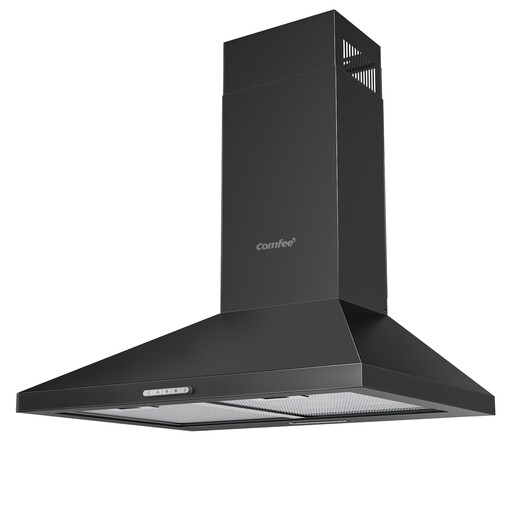
Why this product suits the profile: According to the manufacturer’s specifications, this 60 cm model offers an extraction rate of 400 m³/h, three speed settings, LED lighting, and both external extraction and recirculation modes. This makes it suitable for standard hobs and a range of living situations.
The two operating modes mean buyers do not have to commit prematurely to an existing extraction duct. The removable aluminium filter is designed for regular cleaning.
60 cm width, 400 m³/h according to the manufacturer’s specifications, LED lighting and three power settings.
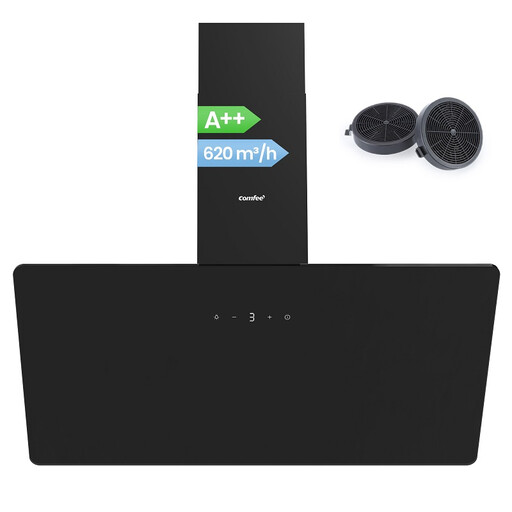
Why this product suits the profile: According to the manufacturer’s specifications, this 90 cm hood combines an extraction rate of 620 m³/h, four settings, touch controls and a stated noise level of 59 dB. It supports both external extraction and recirculation.
According to the product information, the greater width covers broad cooking areas. Before buying, check the wall space, installation height and actual external extraction connection.
90 cm width, 620 m³/h according to the manufacturer’s specifications, four power settings and A++ energy efficiency class according to the product data.
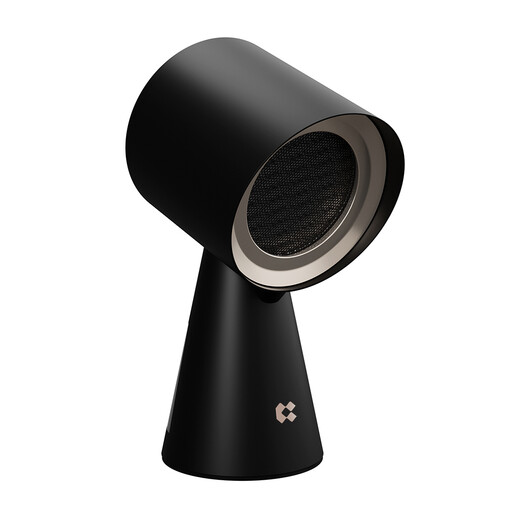
Why this product suits the profile: According to the manufacturer’s specifications, this compact recirculating unit is designed for situations without a fixed wall-mounted hood. It offers two speed settings, three filter layers and a stated extraction rate of 77.8 to 108 m³/h.
The portable design avoids structural alterations in rented properties. According to the safety information, it is intended for electric hobs and not for open flames.
Net weight of 1.5 kg according to the product information, two settings and removable filters for portable use.
We have put together a complete, regularly updated list of products that fully meet these strict selection criteria and the safety regulations applicable in the EU.
Electricity costs depend on power consumption, the selected setting and daily operating time. A low energy rating alone therefore says little about the actual monthly cost. Where available, compare the annual energy consumption in kWh.
For consistent performance, we recommend:
The hood should be at least as wide as the hob. A 60 cm extractor hood is often suitable for standard hobs. For larger cooking surfaces or frequent frying, a 90 cm model can provide greater coverage. The structural conditions must also be taken into account.
That depends on the kitchen. External extraction can direct moisture and odours outside, but requires a suitable connection. Recirculation is usually easier to install in rented properties, but requires regular filter maintenance and does not remove moisture from the room.
Its service life is affected by motor quality, filter maintenance, intensity of use and installation. Regularly cleaned grease filters, correctly fitted activated carbon filters and professional installation can support long-term use. The relevant manufacturer’s specifications and applicable warranty terms are definitive.