
Lieferung heute & morgen

Qualitätsgarantie

Willkommens-Angebote freischalten: KOSTENLOSE Lieferung | Bis zu 80 % RABATT | Kostenlose 30-Tage-JoyPlus-Testphase
App herunterladen
Dry skin, visible fine lines around the eyes, dark circles or puffiness can have many causes. These include a sensitive eye area, lack of sleep, long hours in front of screens and dry indoor air. The range of eye creams, eye serums, eye pads and eye masks is correspondingly vast. Marketing terms such as "anti-ageing", "glow" or "cooling effect" alone, however, tell you little about whether a product actually suits your skin and your intended use.
This buying guide highlights what information matters before purchasing eye care, and which products, based on their composition and application, are suitable for different needs.
Retinal, niacinamide, caffeine, vitamin C and bakuchiol are frequently used in products targeting visible signs of ageing or for a fresher-looking eye area. However, tolerance depends on your individual skin, the overall formulation and how often you use it. A retinal eye cream should initially be used sparingly and according to the manufacturer's instructions. If you have sensitive skin, a cautious introduction is recommended.
Hydrogel patches and an eye mask can be suitable for a limited-time skincare routine. However, they are not automatically a replacement for a regularly used moisturising treatment for the eye area. If you want to care for dry skin, you should look for humectants such as glycerin or hyaluronic acid, and choose a suitable cream or serum texture.
A product claim for all skin types is a general guideline. Fragrances, alcohol, essential components or certain active ingredients can still cause irritation in some individuals. The full INCI list on the packaging therefore remains crucial. If you have known allergies, you should test the product on a small area of skin before applying it more widely.
For an eye cream for wrinkles or an anti-ageing eye care product, the following groups of ingredients are often relevant:
Cosmetic eye care can support the appearance of the skin. It is not intended for the treatment of eye diseases, inflammation or persistent swelling.
An eye serum is usually lighter than a rich cream and can be suitable for your morning routine or for layering with another product. Creams often contain more nourishing and emollient ingredients. For very dry skin, a richer texture may be beneficial, while light gel textures can be more practical for oily skin or under make-up.
The applicator also matters: pump bottles and tubes limit direct contact with the product. With a roll-on, use only light pressure to avoid unnecessarily pulling the delicate skin.
Eye care is normally applied to the skin below and beside the eye, not directly onto the eyeball or the inner eyelid area. Particularly with retinal products, the manufacturer's usage instructions must be followed. During the day, suitable sun protection for the rest of your face is advisable.
Before purchasing, you should also check:
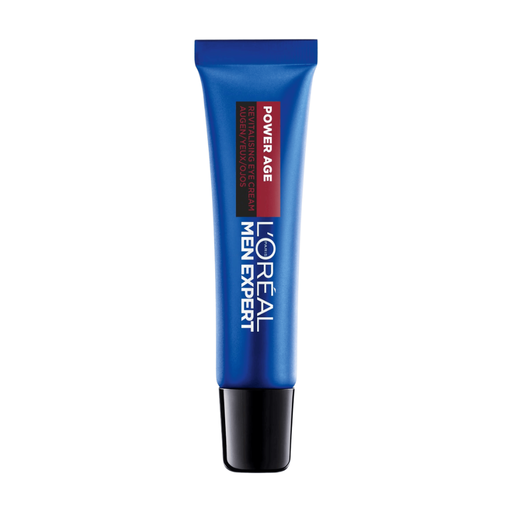
Why this product fits the profile: This 15 ml cream can be easily integrated into a daily skincare routine and contains, among other things, glycerin, niacinamide, caffeine and sodium hyaluronate.
The manageable product size makes it easy to start without having to buy a large supply straight away. The INCI list is clearly stated.
Cream format for daily use; caffeine, niacinamide and humectants are included in the stated formulation.
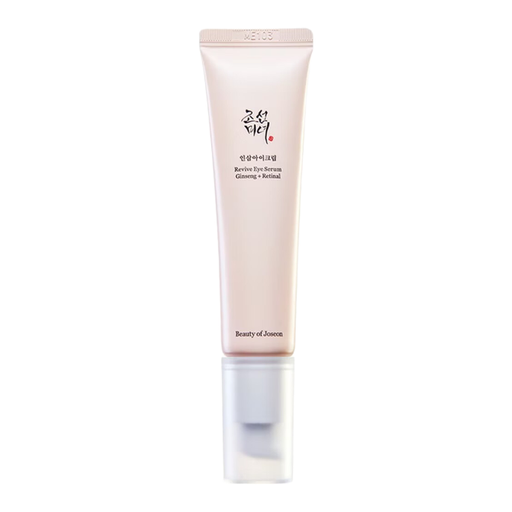
Why this product fits the profile: This 30 ml serum combines ginseng extract, glycerin, niacinamide, sodium hyaluronate, ceramide NP and retinal.
The selection is based on the full stated composition rather than solely on the term "retinal".
Serum texture, 30 ml content and several moisture-binding and skin-nourishing components; retinal requires gradual introduction.
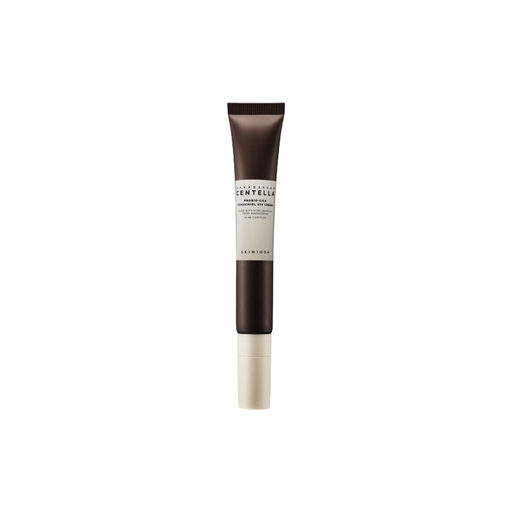
Why this product fits the profile: This lightweight cream contains centella asiatica extract, bakuchiol, panthenol, glycerin and sodium hyaluronate, and is formulated without artificial fragrances according to the product information.
The formulation uses a light gel-cream and a clearly stated ingredient list, rather than relying solely on a general skin-type promise.
Bakuchiol, centella asiatica extract and panthenol; according to the product information, suitable for sensitive skin and can be used morning and evening.
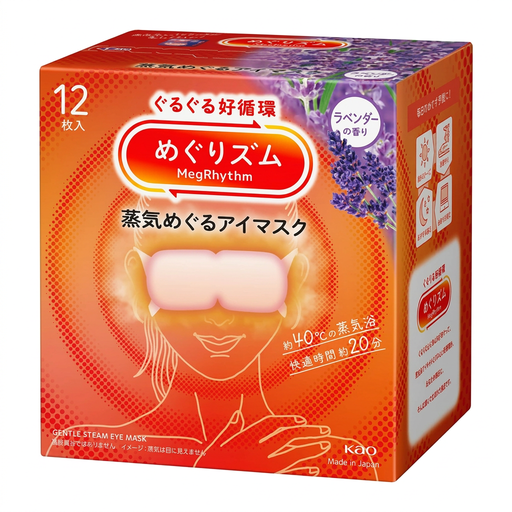
Why this product fits the profile: These individually wrapped single-use masks are designed for travel, breaks after screen work or use before bedtime.
The temperature, duration of use and single-use principle are clearly stated. This makes the application easier to assess than with a vaguely described warming function.
12 individually wrapped masks; according to the product description, approximately 40 °C warmth for around 20 minutes. Do not use if you have eye complaints or increased sensitivity to heat.
We have compiled a complete, regularly updated list of products that fully meet these strict selection criteria and the safety regulations in force in the EU.
For a dry eye area, formulations with glycerin, hyaluronic acid, panthenol, ceramides or nourishing oils are a logical choice. A cream can remain on the skin longer than a very light serum. What matters most is your individual tolerance and applying it sparingly without rubbing.
Eye pads are usually placed on clean skin for around 20 to 30 minutes. A self-warming eye mask is a single-use product and should only be used for as long as the product instructions specify. If you experience burning, redness, itching or pain, stop using it immediately.
Retinal products should be used according to the manufacturer's instructions and initially with low frequency. They should not be applied to broken or irritated skin and must not come into direct contact with the eyes. If you are unsure, have an existing skin condition or are undergoing medical treatment, seek medical advice before use.