
Lieferung heute & morgen

Qualitätsgarantie

Willkommens-Angebote freischalten: KOSTENLOSE Lieferung | Bis zu 80 % RABATT | Kostenlose 30-Tage-JoyPlus-Testphase
App herunterladen
Dark circles, puffiness and fine lines caused by dryness can have different causes. Lack of sleep, dry indoor air, genetically inherited pigmentation or a sensitive skin barrier can all make the eye area look tired. That’s why choosing the right eye care for dark circles and puffiness means looking beyond marketing claims and considering the ingredients, texture and how you’ll use it.
Bluish or brownish dark circles, visible blood vessels and puffiness under the eyes are not the same thing. Caffeine is used in many formulas to help the skin look fresher, while niacinamide or certain plant extracts may feature in brightening eye care. A cream can help improve the appearance of the skin, but it cannot completely change the underlying cause for everyone.
Retinal, peptides, caffeine, acids and fragrance can affect people differently depending on how sensitive their skin is. The thin skin around the eyes may be more prone to redness or stinging for some people. So, apply an eye cream for dark circles sparingly at first, and avoid applying it directly along the lash line.
Hydrogel eye patches and metal rollers can feel cooling for a while. The massage action and texture can leave your skin feeling refreshed. However, this effect is not the same as a lasting reduction in dark circles or under-eye bags. If you use these products regularly, remember to check their hygiene, shelf life and storage instructions too.
A lightweight eye serum often works well under make-up, while a richer eye cream may feel more comfortable on dry skin. Hydrogel eye patches are intended as a short-term addition to your routine and should be removed after the stated application time. If your product comes in a jar, use a clean spatula; wipe roller applicators after use.
Before using a product for the first time, it’s a good idea to patch test it on a small area of skin. Products containing retinal or other vitamin A derivatives should be used less frequently at first. Use suitable sun protection as part of your daytime routine. All products are for external use only and must not get into your eyes. Stop using a product if you experience stinging, itching, a rash or persistent redness.
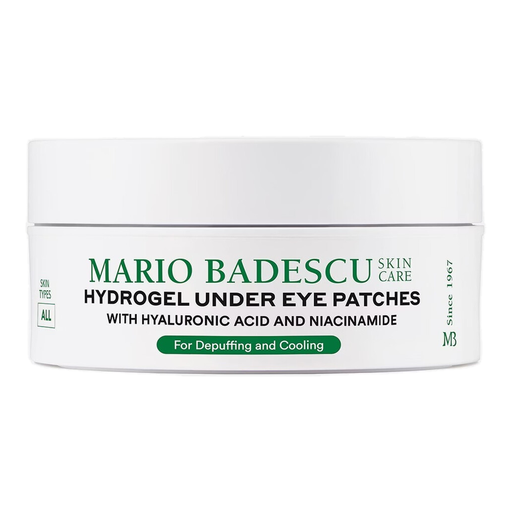
Why this product suits this profile: These individually dispensed hydrogel patches are designed for a short application in the morning or evening. According to the product information, the formula includes ingredients such as glycerin, niacinamide, caffeine, ceramides and several forms of hyaluronic acid.
The recommended application time of around 15 to 20 minutes is clearly stated, so you won’t leave the patches on your skin for longer than necessary.
60 patches, a cooling hydrogel texture and several moisture-binding ingredients.
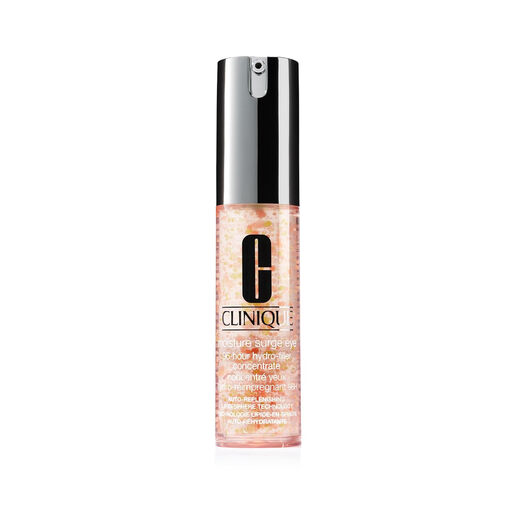
Why this product suits this profile: This water-gel formula is designed for people looking for lightweight hydration. According to the product information, the formula includes ingredients such as glycerin, aloe vera ingredients, caffeine, niacinamide and Sodium Hyaluronate.
The product description specifies a pea-sized amount and explains that it can also be used as a short-term mask.
A lightweight gel texture that can be used under make-up or as a short-term addition to your skincare routine.
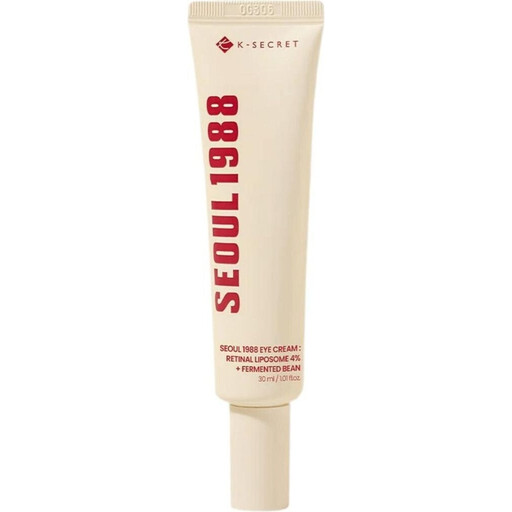
Why this product suits this profile: This retinal eye cream is designed for people looking to add targeted care for wrinkles around the eyes to their evening routine. According to the product information, it contains retinal, niacinamide, adenosine and fermented ingredients.
The product information highlights the vitamin A derivative it contains and recommends using sun protection while applying it. It’s therefore a good idea to introduce it gradually.
A 30 ml tube combining retinal, niacinamide and hydrating ingredients.
We’ve put together a complete, regularly updated list of products that meet these strict selection criteria and fully comply with the safety regulations in force in the EU.
It depends on the product. Recommended application times are often between 10 and 30 minutes. Always follow the instructions on the packaging and product page. Eye patches don’t replace daily skincare, but they can be used as an extra hydrating or cooling step in your routine.
An eye serum is usually lighter and suits people who prefer a fast-absorbing texture. An eye cream may feel more comfortable on dry skin thanks to its richer consistency. The key things to consider are the ingredients, how well your skin tolerates them and how the product fits into your individual routine.
Not necessarily. If you’re using a product containing retinal, gradually build up your use in line with the manufacturer’s instructions. Avoid applying it to the eye area if your skin is irritated. Use suitable sun protection during the day. If you’re pregnant or breastfeeding, check with a medical professional before using vitamin A derivatives.