
Lieferung heute & morgen

Qualitätsgarantie

Willkommens-Angebote freischalten: KOSTENLOSE Lieferung | Bis zu 80 % RABATT | Kostenlose 30-Tage-JoyPlus-Testphase
App herunterladen
Dark circles, puffiness and fine lines can have various causes, including lack of sleep, genetics, dry skin, pigmentation or thin skin around the eyes. Eye care can help support the appearance of the skin with hydration, smoothing textures and selected ingredients. However, it is no substitute for medical advice if puffiness appears suddenly or persists.
Retinal, retinol, peptides, caffeine and collagen are often given a prominent place in product marketing. But it’s the whole formula that matters: moisturising ingredients, skin-conditioning lipids, preservatives, fragrance and how the product is meant to be used all affect whether it suits your skin. With vitamin A derivatives, it’s also important to introduce them gradually and use sun protection every day.
Hydrogel eye patches and masks can temporarily hydrate the skin, while their cooling texture can leave it feeling refreshed. They’re particularly suited to morning use or as an extra step in your routine. However, a single application won’t permanently address the causes of genetic or pronounced dark circles.
Rollers and metal applicators can make application easier. However, applying too much pressure or repeatedly tugging at delicate skin may cause irritation. Apply the product with light pressure along the orbital bone, avoiding direct contact with the eye or mucous membranes.
The ingredients list on the packaging is the one to check, as formulas can change. If you have sensitive skin, pay attention to perfume, alcohol and fragrance ingredients that must be declared. A patch test on a small area of skin can help you assess how well a product suits you. Stop using it if you experience burning, redness or itching.
A low unit price doesn’t tell you much about the actual cost of using a product. Compare:
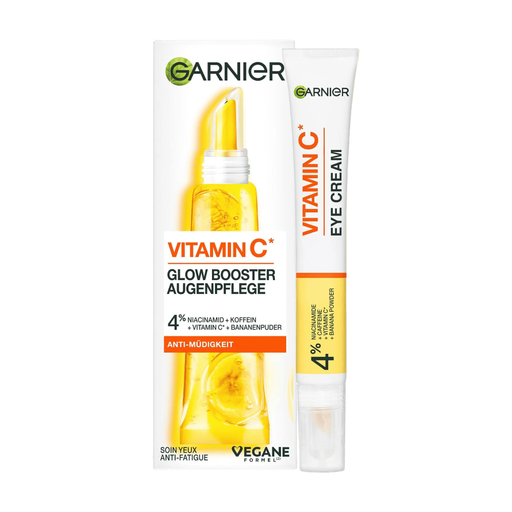
Why it suits this profile: According to the product information, the formula combines niacinamide, caffeine, a vitamin C derivative and moisturising ingredients in a classic 15 ml eye cream.
The full INCI list names the key ingredients, making it easier to compare this product with other eye creams for dark circles.
15 ml; the stated ingredients list includes niacinamide, caffeine and glycerin.
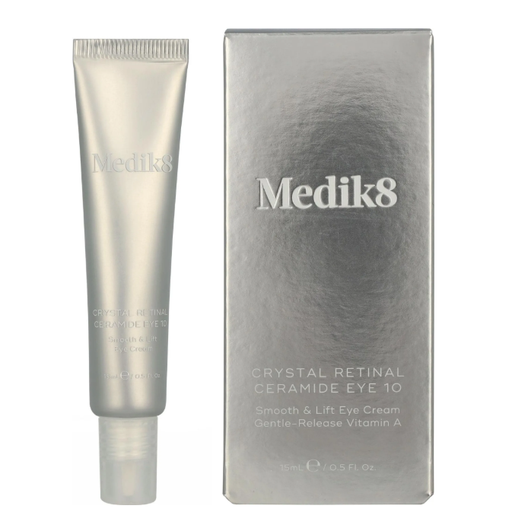
Why it suits this profile: This night-time product is for anyone looking to combine retinal with ceramides, shea butter, hyaluronic acid and squalane.
The recommended routine introduces the product gradually, helping you avoid the mistake of applying a retinal product every day straight away.
Retinaldehyde, ceramides and hyaluronic acid; intended for evening use, alongside sun protection during the day.
Apply a small amount of eye cream or serum after cleansing. It’s best to apply it along the orbital bone, rather than directly next to the lashes. If you’re using a retinal or retinol product, start by applying it on just a few evenings each week. During the day, it’s a good idea to use sun protection on the rest of your face.
Apply eye patches to clean, dry skin and remove them after the stated time. Gently pat in any remaining serum. If you have sensitive skin, test products containing fragrance or vitamin A derivatives on a small area first.
We’ve put together a complete, regularly updated list of products that meet these strict selection criteria and fully comply with the safety regulations in force in the EU.
Look for a short, easy-to-understand INCI list, and avoid perfume if fragrance causes irritation for you. Moisturising eye creams containing glycerin, hyaluronic acid or ceramides are often easier to add to your routine. Introduce retinal, retinol and vitamin C derivatives with care.
It depends on how much you use and how often. With 60 eye patches and daily use, one pack will theoretically last for 30 applications. An eye serum may last several weeks, depending on how much you apply. Always follow the opening instructions, expiry date and guidance on the packaging.
There’s no one-size-fits-all answer. Dark circles can be caused by pigmentation, visible blood vessels, shadowing, tiredness or genetics. Cosmetic products can help improve the appearance and hydration of the skin, but they can’t address every underlying cause.