
Lieferung heute & morgen

Qualitätsgarantie

Willkommens-Angebote freischalten: KOSTENLOSE Lieferung | Bis zu 80 % RABATT | Kostenlose 30-Tage-JoyPlus-Testphase
App herunterladen
Dry skin under the eyes, visible lines, puffiness or dark circles can quickly lead to an overwhelming choice of eye cream, eye serum, eye pads and eye masks. Many products boast terms like “anti-ageing”, “instant smoothing” or “intensive revitalisation”. However, such claims don’t automatically tell you whether a formula suits your skin type or your preferred application routine.
That’s why the Joybuy Product Recommendation Officer’s selection focuses on clear, understandable criteria: ingredients, texture, pack size, usage instructions and warnings.
Hyaluronic acid, niacinamide, peptides, caffeine, retinol and retinal are common components of modern eye care. But simply listing them says little about concentration, formulation or skin tolerance. A hydrating eye product with glycerin and hyaluronic acid, for example, has a different skincare goal than a retinal eye cream intended for evening use.
A rich eye cream can feel comforting for dry skin, but may leave too much of a film under make-up. A lightweight eye serum usually absorbs more quickly, yet doesn’t always offer the same nourishing care as a cream. Eye pads and eye masks are handy additions for occasional use, but they don’t necessarily replace a regular daily base product.
Retinol eye cream and retinal eye cream shouldn’t be treated like an ordinary moisturiser. If you have sensitive skin, it’s wise to introduce them slowly. Also, always follow the manufacturer’s instructions and use sun protection during the day. If you experience stinging, redness or persistent irritation, stop using the product.
The skin around the eyes is delicate. It’s worth checking the INCI list, especially for fragrance ingredients like limonene, geraniol or parfum. Essential oils and alcohol can also be problematic for some skin types. If you’re prone to reactions, test a small amount on an inconspicuous area first and follow the manufacturer’s instructions.
For products aimed at sensitive skin, labels like “fragrance-free” or a short, clear INCI list can be helpful. However, they are no guarantee of individual tolerance.
A 15 ml eye cream is suitable for daily use with a small amount. Individual eye pads, on the other hand, are practical for travel or occasional pampering rituals. Multi-packs with 30 or 60 pads can be good value if you actually use them regularly. It’s important to use opened jars and sachets according to the storage and expiry instructions.
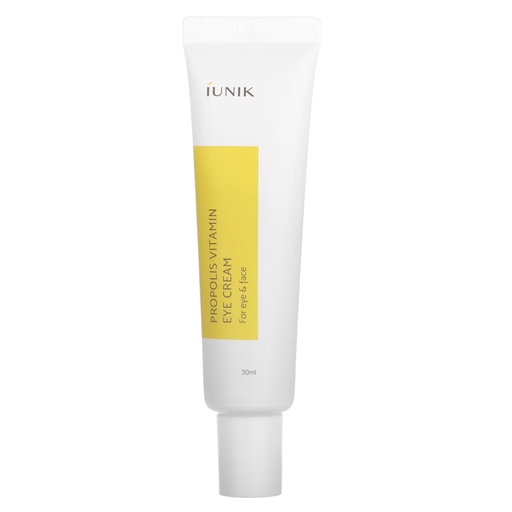
Why this product suits the profile: The cream is intended for both eye and face care and, according to the product description, is applied in small amounts morning and evening.
The 30 ml size makes it easy to start without immediately committing to a strong retinoid. The INCI list includes glycerin, niacinamide and hyaluronate, among others.
Lightweight texture according to the product information, versatile use for the eye area and face.
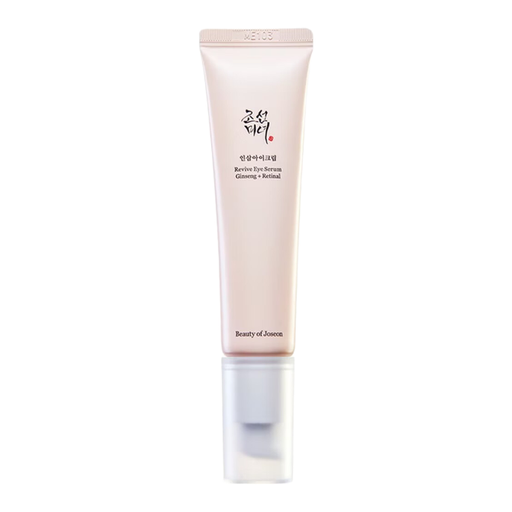
Why this product suits the profile: The eye serum combines ginseng, niacinamide and retinal, and is aimed at users who want to incorporate active ingredient care into their routine in a targeted way.
The product description explicitly mentions retinal. This makes it easier to distinguish the formula from a plain moisturiser and to introduce it carefully.
30 ml content, can be used on the eye area or the whole face according to the product information.
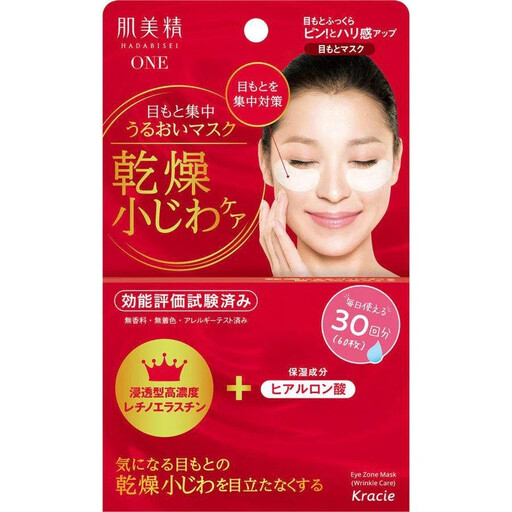
Why this product suits the profile: With 60 sheets (30 pairs), this eye mask is ideal for regular use. According to the product information, it should be left on the skin for around five to ten minutes.
The fixed application time prevents the pads from being worn for too long. The pack should be sealed tightly after removing a sheet to stop them from drying out.
Large pack with 30 pairs, contains retinyl palmitate and hyaluronic acid according to the INCI list.
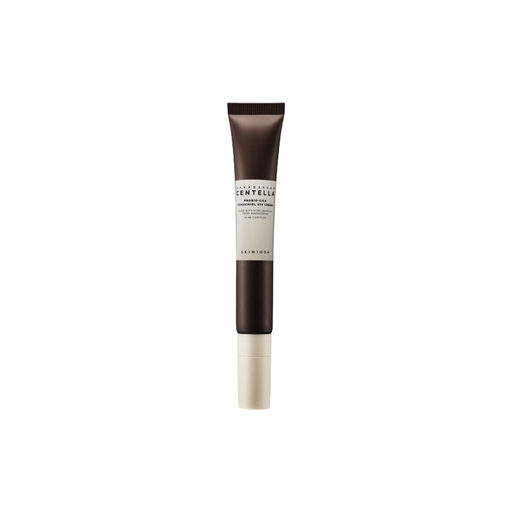
Why this product suits the profile: This gel-like cream contains centella asiatica, bakuchiol, panthenol and hyaluronic acid according to the product information, and is described as fragrance-free.
The product description mentions bakuchiol instead of retinol or retinal. This can be interesting for users who don’t want to use a vitamin A cream straight away.
20 ml content, lightweight gel texture and can be used both morning and evening according to the product information.
We’ve put together a full, regularly updated list of products that meet these strict selection criteria and comply fully with EU safety regulations.
If you have pronounced or new skin changes, cosmetic eye care should not be considered a substitute for medical advice.
For dry skin, look for formulas with glycerin, hyaluronic acid, panthenol, ceramides, squalane or plant oils. A cream is usually richer than a serum. What matters most is your individual tolerance and using a small amount.
That depends on the specific product. Individual eye pads are usually intended for occasional use, while multi-packs may be designed for a regular routine. Don’t exceed the application time stated on the packaging.
Retinal and retinol are different forms of vitamin A. You can’t determine general suitability from the product name alone. Beginners should increase usage slowly, watch for skin reactions and use sun protection during the day. For sensitive skin, a simple hydrating eye care product may be a more suitable starting point.