
Lieferung heute & morgen

Qualitätsgarantie

Willkommens-Angebote freischalten: KOSTENLOSE Lieferung | Bis zu 80 % RABATT | Kostenlose 30-Tage-JoyPlus-Testphase
App herunterladen
Dry skin, visible fine lines, dark circles or morning puffiness are among the most common reasons to look for specialised eye care. Yet the choice between eye cream, eye serum, eye patches and eye masks is extensive. Marketing claims such as “instant lifting effect”, “clinically proven” or “intensive rejuvenation” are not always enough to assess a product meaningfully.
This buying guide from the Joybuy Product Recommendation Officer explains which details are genuinely relevant and which product formats are suited to different needs.
Retinol, retinal, bakuchiol, peptides, collagen and hyaluronic acid are common ingredients in modern anti-ageing eye care. However, simply listing them does not guarantee a specific effect. Key factors include their position in the INCI list, the product texture, the stability of the active ingredient and individual skin tolerance.
Cosmetic products can care for the skin or make it appear smoother due to improved hydration. Claims relating to the treatment of medical conditions or pronounced skin changes should be considered separately.
Hydrogel eye patches can provide short-term hydration and a cooling sensation. This may temporarily make the eye area appear fresher. However, dark circles can have various causes, including genetic predisposition, shadows created by facial structure, pigmentation or lack of sleep. A patch product is therefore not automatically a permanent eye care solution for dark circles.
Even an eye cream described as universal may contain fragrances, alcohol, essential oils or vitamin A derivatives. For sensitive or dry-prone skin, the complete ingredient list on the packaging should be checked. Applying the product to a small area of skin can help assess individual tolerance.
For dry skin, hydrating eye care containing glycerine, hyaluronic acid, panthenol or ceramides is a typical option. These ingredients help the skin retain water and can make dehydration lines appear less pronounced.
Eye care for wrinkles often contains retinol, retinal, bakuchiol, adenosine and peptides. Retinal and retinol are vitamin A derivatives. They should be introduced gradually into your routine, initially on just a few evenings per week, for example. During the day, suitable sun protection is advisable. During pregnancy or breastfeeding, the use of vitamin A derivatives should be discussed with a medical professional.
Bakuchiol is often used as a plant-based ingredient in a bakuchiol eye cream. Products containing Centella asiatica, panthenol or ceramides may appeal to those looking for a more soothing, skin-barrier-friendly routine.
Eye care is generally applied gently with the ring finger. Direct rubbing, pulling at the skin and contact with the eye should be avoided.
For retinol or retinal products, packaging that protects against light and air is practical, as these active ingredients can be sensitive. Before buying, check the best-before date, batch number and period-after-opening symbol, where provided. With eye patches, the container should also be closed carefully after each use.
INCI lists may change. The ingredient list on the packaging delivered with the product is therefore the authoritative reference. People with sensitive skin should pay particular attention to products containing fragrances or essential oils.
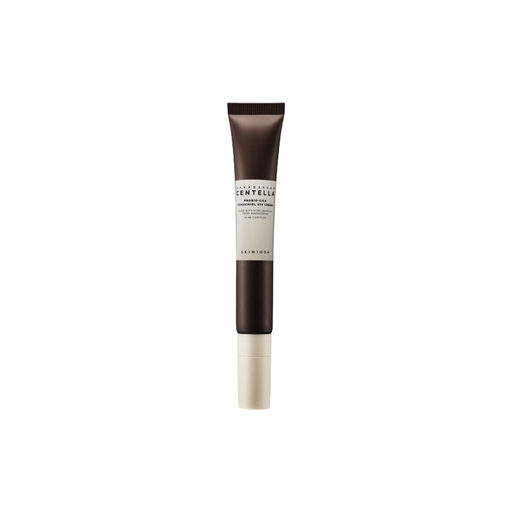
Why it is a good fit: The lightweight 20 ml cream texture is designed for a straightforward morning and evening routine.
The stated formula contains bakuchiol, Centella asiatica, glycerine and hyaluronic acid. The complete INCI list should be checked again before ordering.
20 ml, creamy texture, described by the product information as free from artificial fragrances and suitable for sensitive skin.
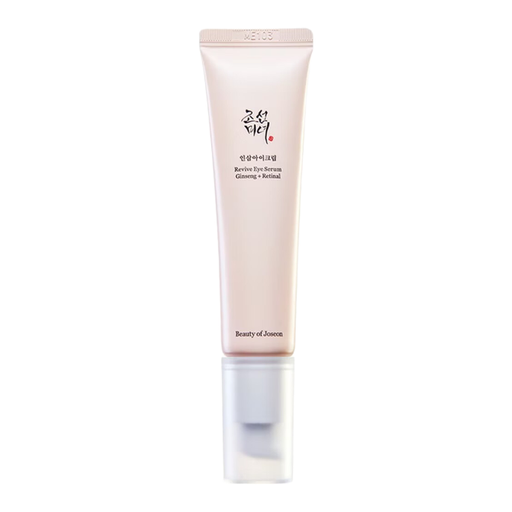
Why it is a good fit: The 30 ml eye serum combines ginseng extract, niacinamide, retinal, ceramides and hyaluronic acid in a targeted K-beauty formula.
The product description names the specific active ingredient retinal and provides the INCI list. Because it contains a vitamin A derivative, gradual introduction is advisable.
30 ml, serum format, application after toner according to the product information; also intended for use across the entire face.
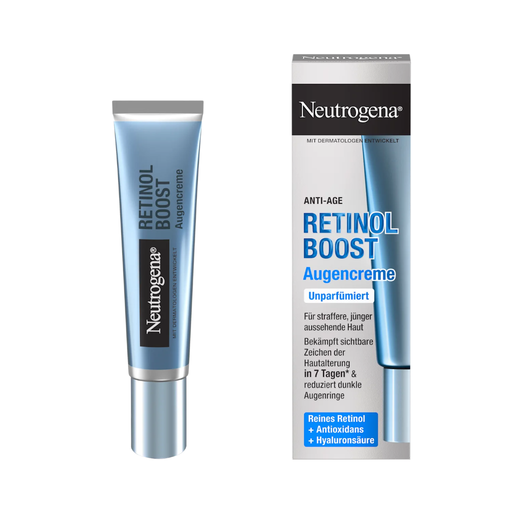
Why it is a good fit: The 15 ml eye cream may appeal to people who want to introduce retinol gradually into their routine.
The product information recommends that beginners initially apply it on two to three days per week. Discontinue use if irritation occurs.
Retinol, hyaluronic acid and a fragrance-free formulation according to the product information; a patch test is recommended for sensitive skin.
Start by applying only a small amount to cleansed skin. Unless the packaging states otherwise, eye cream or eye serum should not be applied directly to the mobile eyelid or into the conjunctival sac. With retinal and retinol products, gradual increases in frequency are advisable.
Discontinue use if redness, burning, itching or a rash occurs. Eye care should not be applied to damaged or irritated skin. Persistent puffiness, severe irritation or changes affecting the eye require medical assessment and should not be treated solely with cosmetic products.
This depends on the product. The printed expiry date and the PAO symbol—for example, “6M” or “12M”—are the key references. If the colour, smell or texture changes, the product should no longer be used.
That depends on your routine. Eye cream is suitable for regular care, eye serum for lightweight layering and eye patches for a short, time-limited application. For dry skin, a cream containing glycerine, hyaluronic acid or ceramides may be a sensible choice. When using active ingredients, tolerance and frequency of application should take priority.
No. Cosmetic products cannot guarantee complete elimination. Hydration, cooling or caffeine may temporarily influence the appearance of the eye area. However, the cause of dark circles or persistent puffiness varies from person to person and may require medical assessment.