
Lieferung heute & morgen

Qualitätsgarantie

Willkommens-Angebote freischalten: KOSTENLOSE Lieferung | Bis zu 80 % RABATT | Kostenlose 30-Tage-JoyPlus-Testphase
App herunterladen
Dark circles, fine lines, puffiness and dry skin around the eyes are among the most common reasons for using targeted skincare. The right eye care for dark circles and wrinkles can hydrate the skin and help the eye area look smoother or fresher. However, it is not a substitute for medical treatment and cannot completely eliminate genetic dark circles, pronounced eye bags or age-related changes.
Before you buy, take a closer look at the formula, how to use the product and its packaging. Marketing claims alone tell you little about whether a product suits your skin’s needs.
Terms such as ‘lifting’, ‘filler’ or ‘anti-wrinkle’ often describe how a product is positioned. Some visible effects may come from hydration, light reflection or a smoothing texture. So, choose an eye cream for dark circles based on its ingredients, how well your skin tolerates it and whether you can use it consistently, rather than relying on a single claim.
Bluish shadows, brown pigmentation, thin and dry skin, and shadows caused by a hollow under the eye do not necessarily need the same care. An eye serum for wrinkles may be useful for dehydration lines. However, cosmetic products have limited scope to address genetic or anatomical changes.
A very rich cream can feel heavy under make-up. A lightweight gel often suits normal, combination or oily skin better, while a creamier formula may feel more comfortable on dry skin. The applicator matters too: a stick or metal tip can make application quick and hygienic, but it does not replace careful patch testing.
For hydrating eye care, ingredients such as glycerin, sodium hyaluronate or other forms of hyaluronic acid are worth looking for. Eye care with hyaluronic acid helps bind moisture at the skin’s surface, which can temporarily make dehydration lines less noticeable.
If you’re looking for eye care with vitamin C, check which form of vitamin C the product contains and consider the rest of the formula. Vitamin C can appear in different derivatives. For sensitive skin, fragrance and certain preservatives may cause irritation. Eye care with collagen often contains collagen extracts or other collagen-related skincare ingredients. However, this should not be taken as a promise that the product will permanently boost the body’s own collagen.
The skin around the eyes is delicate. Products should only be used externally and must not get directly into your eyes. If you have known allergies, it’s a good idea to patch test the product on a small, inconspicuous area of skin. Stop using it if you experience stinging, redness or persistent itching.
Check the full INCI list, look for labels such as ‘fragrance-free’ and follow the manufacturer’s directions. Ophthalmological or dermatological testing is useful product information, but it does not guarantee that a product will suit you personally.
Jars can expose the contents to more air and contact with fingers when used frequently. Pumps, tubes and sticks often make it easier to dispense a controlled amount. A cooling eye balm or a product with a metal applicator may feel pleasant in the morning. However, the cooling effect does not change the cause of eye bags.
The amount you need matters too. A small amount for each eye is usually enough. Using too much may cause the product to get into your eyes or sit on top of your make-up.
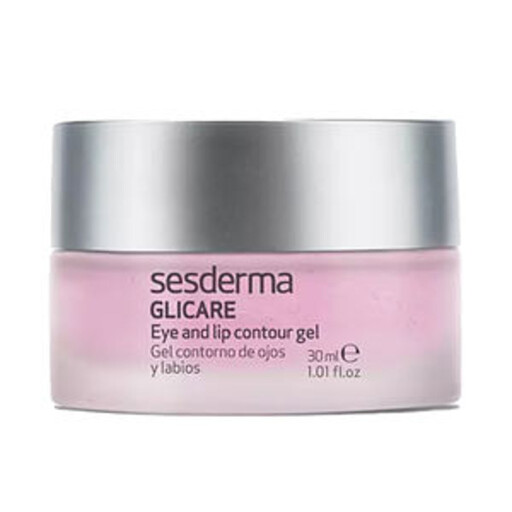
Why this product suits this profile: The lightweight gel texture is suitable for morning and evening use, and the product description says it leaves no heavy or greasy feel.
The gel texture reduces the risk of rich skincare feeling heavy under make-up. Sodium Hyaluronate is included in the stated INCI list.
Lightweight gel texture, 30 ml size and use around the eyes and lips.
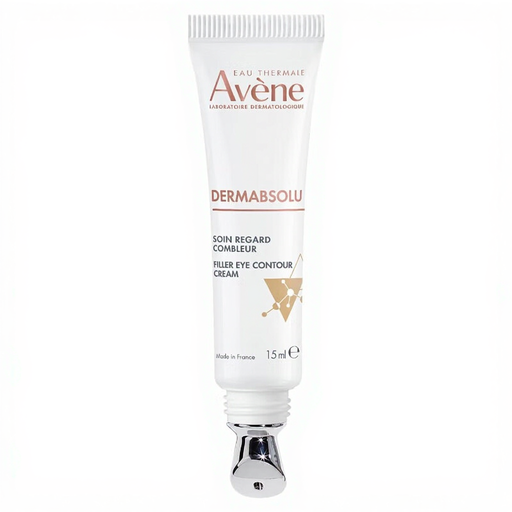
Why this product suits this profile: This cream combines a richer skincare base with a cooling metal applicator, making it a good fit for a structured morning or evening routine.
The applicator helps you control the amount used and avoid rubbing the skin too hard. The product information lists ingredients including glycerin, bakuchiol and Sodium Hyaluronate.
15 ml size, metal applicator and directions for use on the cleansed eye area.
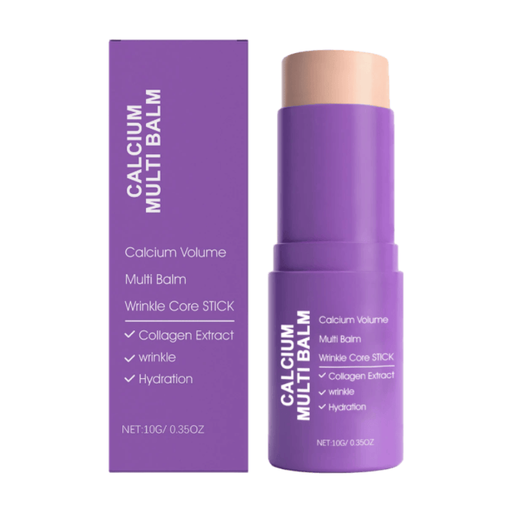
Why this product suits this profile: The compact 10 g stick is handy for use on the go, at the office or when travelling, and can be used on the eyes, face and neck.
The stick format avoids an open cream jar and makes it easier to apply a small amount directly. The product description lists collagen extract, calcium carbonate and mineral oil.
Compact packaging, 10 g size and use beyond the eye area.
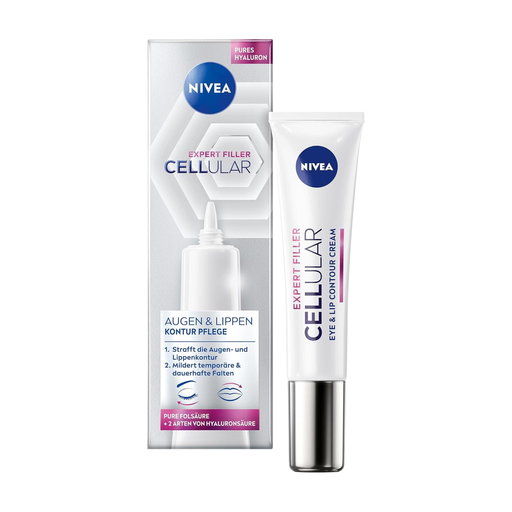
Why this product suits this profile: This cream is for anyone looking to care for the eye and lip contours with one product and who prefers a richer texture.
The INCI list includes Sodium Hyaluronate, glycerin and shea butter. This makes the moisturising and conditioning ingredients clear, rather than describing them only through marketing claims.
15 ml size, care for the eyes and lips, and stated ophthalmological testing.
Consistent use matters more than combining lots of products at once. During the day, include a suitable sun protection product in your skincare routine, provided it is intended for use around the eyes.
For dry lines, moisturising formulas containing glycerin, hyaluronic acid or Sodium Hyaluronate are a good place to start. They can make the skin’s surface feel smoother. The results depend on your skin type, how you use the product and what is causing the lines.
Use cosmetic skincare according to the directions on the packaging and your skin’s tolerance. Assess how your skin feels and looks after several weeks of regular use, rather than after a single application. Check the period-after-opening symbol and the printed best-before date.
Where possible, choose a formula with a short ingredient list and check the INCI list for any known fragrances or allergy triggers. Don’t apply the product to irritated or broken skin, and avoid direct contact with your eyes. Seek medical advice if symptoms persist.