
Lieferung heute & morgen

Qualitätsgarantie

Willkommens-Angebote freischalten: KOSTENLOSE Lieferung | Bis zu 80 % RABATT | Kostenlose 30-Tage-JoyPlus-Testphase
App herunterladen
The search for the right eye cream can quickly become overwhelming. Countless products promise to smooth wrinkles, reduce dark circles, and diminish puffiness. But not every formula delivers on its promise. As your Joybuy Product Recommendation Officer, I'll help you separate marketing hype from proven facts and make an informed decision for your eye care.
Before we dive into effective solutions, it's important to recognise common marketing traps that often lead to the wrong purchase.
To find the right eye cream, you should focus on objective criteria. The following three parameters are crucial for your selection.
The foundation of any good eye care product is its ingredients. Look for scientifically-backed active ingredients that are tailored to your specific skin needs.
The texture of an eye cream is more than just a matter of personal preference. Lightweight gel-creams absorb quickly and are well-suited for oilier skin types or as a base for makeup. Richer balms and creams are ideal for dry, mature skin or as an intensive overnight treatment. Packaging also plays a role: light- and air-tight dispensers (e.g., pump dispensers or tubes with a narrow opening) protect sensitive active ingredients like retinol and Vitamin C from degrading.
The skin in the eye area is up to ten times thinner than on the rest of the face and has fewer sebaceous glands, making it particularly sensitive. Look for products that are ophthalmologically tested. If you are prone to allergies, fragrance-free formulations and products without potentially irritating ingredients like alcohol or certain essential oils are preferable.
Based on these criteria, we have curated a selection of products tailored to different needs and user profiles.
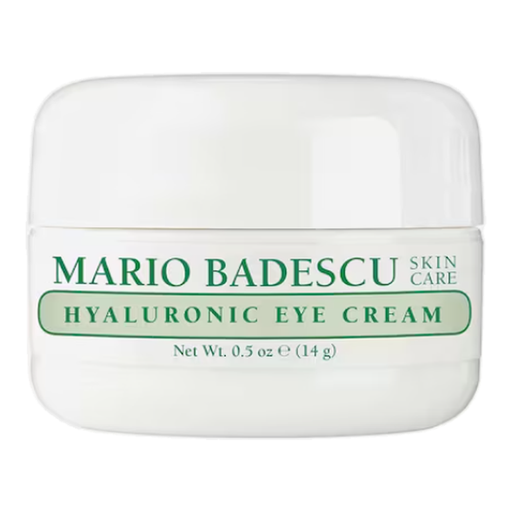
Why This Fits Their Persona: Ideal for those looking for their first eye cream or whose main concern is dryness. The lightweight, straightforward formula provides intense moisture without overloading the skin.
This product avoids exaggerated anti-aging claims and focuses on a core competency: intense hydration with hyaluronic acid to specifically combat dryness lines.
Focus on Hyaluronic Acid: Delivers deep hydration. Lightweight Texture: Absorbs quickly and is suitable for all skin types.
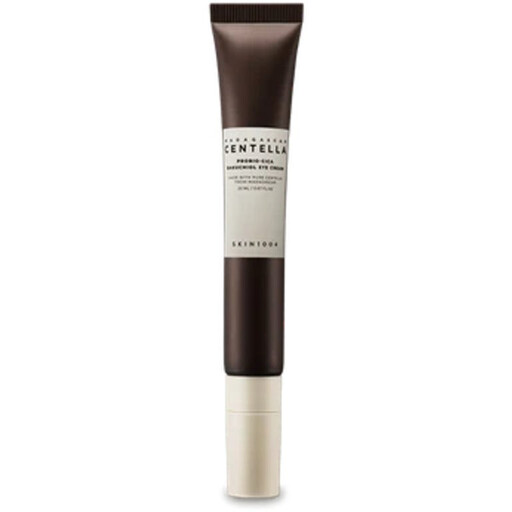
Why This Fits Their Persona: Perfect for users who want to actively reduce the appearance of fine lines and wrinkles but prefer a gentler alternative to retinol.
Instead of a short-term visual effect, this cream relies on bakuchiol, a well-researched ingredient that acts as a plant-based retinol alternative to help improve skin firmness and reduce wrinkles.
Bakuchiol as Active Ingredient: Targets wrinkles and loss of firmness. Centella Asiatica: Provides an additional calming effect on the sensitive eye area.
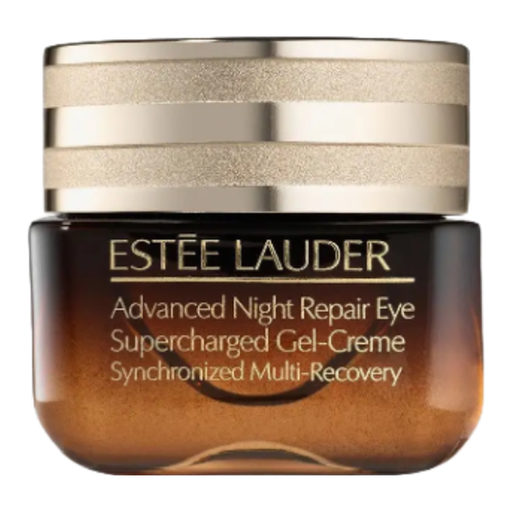
Why This Fits Their Persona: For experienced users seeking a comprehensive solution for multiple signs of aging and fatigue, such as puffiness, dark circles, and fine lines.
Instead of a vague "all-in-one" promise, this formulation specifically addresses multiple factors (hydration, repair, protection) with a combination of hyaluronic acid, antioxidants, and peptides.
Comprehensive Formula: Works against puffiness, dark circles, and fine lines. Lightweight Gel-Creme: Absorbs quickly and provides long-lasting moisture.
We have compiled a comprehensive, up-to-date list of products that meet these strict selection criteria.
1. At what age should I start using an eye cream? There is no fixed age. A simple, hydrating eye cream can be beneficial starting in your early to mid-20s to prevent dryness. A targeted anti-aging eye cream usually becomes relevant in your late 20s or early 30s, when the first lines and wrinkles become visible.
2. How do you apply eye cream correctly? A rice-sized amount per eye is sufficient. Apply the cream to your ring finger, as it exerts the least amount of pressure. Gently pat the product along the orbital bone—from the inside corner outwards under the eye and just below the eyebrow. Avoid rubbing or pulling at the skin.
3. Can I use my regular face cream for the eye area? It is generally not recommended. Face creams may contain fragrances or active ingredients in concentrations that are too irritating for the delicate skin around the eyes. Furthermore, they are often not ophthalmologically tested, which means they can cause irritation if they get into the eyes. Specialised eye creams are formulated for the unique needs of this delicate area.