
Lieferung heute & morgen

Qualitätsgarantie

Willkommens-Angebote freischalten: KOSTENLOSE Lieferung | Bis zu 80 % RABATT | Kostenlose 30-Tage-JoyPlus-Testphase
App herunterladen
The skin around the eyes is significantly thinner and more sensitive than on the rest of the face. This is why the first signs of fatigue, stress, and ageing often appear here. A suitable eye cream can help moisturise the area, reduce fine lines, or diminish puffiness. However, the market is confusing, and many products don't deliver on their promises.
Before you make a decision, it's helpful to know the most common pitfalls that can lead to a poor purchase.
To make an informed decision, you should focus on a product's objective parameters: its active ingredients and formulation.
The effectiveness of an eye cream depends on its active ingredients. Here are some of the most established substances and their primary uses:
The product's consistency affects how it is absorbed by the skin and how it feels.
Instead of making a one-size-fits-all recommendation, we have matched products based on different needs and user profiles.
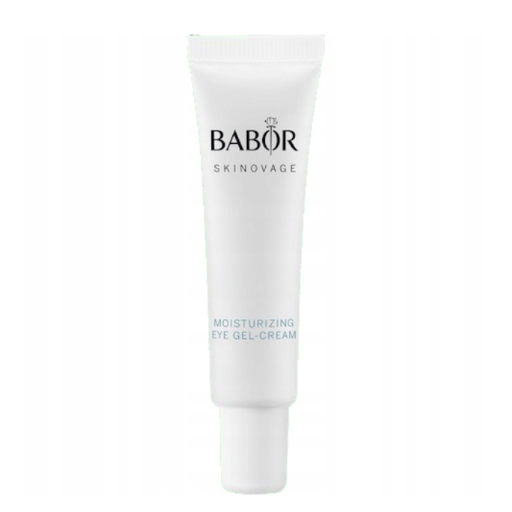
Why This Fits Their Persona: Ideal for those looking for a straightforward yet effective moisturiser to prevent dryness lines. The lightweight gel-cream texture is suitable for many skin types and absorbs quickly.
The product focuses on the core task of hydration instead of making unrealistic "all-in-one" promises. Its formula is clearly designed for moisture and soothing.
Contains a red algae extract that, according to the manufacturer, supports the skin's own hyaluronic acid synthesis, as well as panthenol to soothe the skin area.
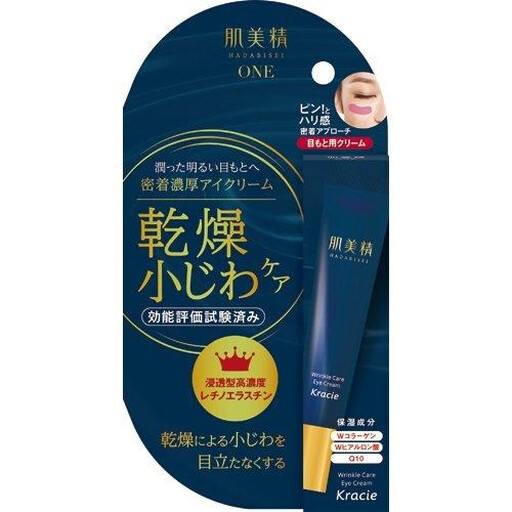
Why This Fits Their Persona: Aimed at users who want to specifically target visible signs of ageing, such as fine lines and crow's feet, by relying on an established active ingredient like retinol.
This product is clearly positioned as a specialised treatment. It relies on the well-known active ingredient retinol to reduce wrinkles and avoids vague marketing claims.
Combines the active ingredient retinol with moisturising ingredients like glycerin and hyaluronic acid to keep the skin hydrated during use.
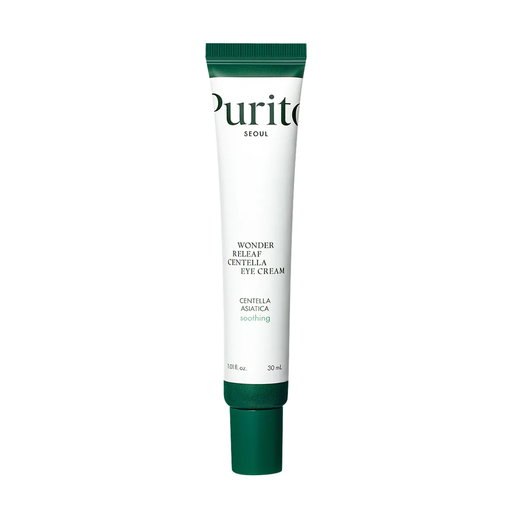
Why This Fits Their Persona: Suitable for individuals with sensitive skin prone to redness and irritation. The formula aims to soothe, hydrate, and strengthen the skin barrier.
It avoids potentially irritating ingredients and aggressive performance claims. The focus is on soothing and strengthening, which is crucial for sensitive skin.
Contains Centella Asiatica extract to soothe the skin. According to the manufacturer, the formula is vegan and free from artificial fragrances, parabens, ethanol, and silicones.
Eye care for men is also gaining importance. Products in this category are often designed for straightforward application and have lightweight textures, but the active ingredients are universal.
There's no set age, but many people start in their mid-20s with a hydrating eye cream to prevent dryness. Once the first fine lines become visible or specific concerns like dark circles appear, a more targeted treatment with appropriate active ingredients can be beneficial.
The skin around the eyes is thinner and has fewer oil glands, making it more prone to dryness and irritation. Eye creams are specifically formulated for this delicate zone. They are often fragrance-free and do not contain migrating oils that could get into the eyes. While a face cream might work for some people, a dedicated eye cream is generally the safer and more targeted choice.
A rice-grain-sized amount per eye is sufficient. Apply the cream with your ring finger, as it exerts the least amount of pressure. Gently pat the product along the orbital bone—under the eye from the inside out and beneath the eyebrow. Avoid applying the cream too close to the eye or pulling on the skin.