
Lieferung heute & morgen

Qualitätsgarantie

Willkommens-Angebote freischalten: KOSTENLOSE Lieferung | Bis zu 80 % RABATT | Kostenlose 30-Tage-JoyPlus-Testphase
App herunterladen
Choosing an eye cream can often feel like searching for a needle in a haystack. The market is flooded with products promising instant results, yet not every formula delivers on its claims. Many users invest in expensive jars, only to find that the effects are non-existent or the texture doesn't suit their skin type. This guide will help you understand the key criteria and make an informed choice.
Before we dive into the important parameters, it's helpful to recognise common marketing traps that often lead to regrettable purchases.
To find the right eye care product, you should focus on objective and verifiable criteria. The following three points are crucial for the functionality and suitability of an eye cream.
The skin around the eyes is particularly thin and delicate. Therefore, it requires targeted active ingredients depending on the primary concern.
The texture of an eye cream is more than just a matter of personal preference. It determines how well the product is absorbed by the skin and which skin type it is suitable for.
Active ingredients like retinol or vitamin C are sensitive to light and air. Their effectiveness can quickly diminish if they are not packaged correctly. Look for opaque tubes or airless pump dispensers. These protect the formulation from oxidation and ensure the ingredients remain stable down to the last drop. An open jar generally does not offer this protection.
Based on the criteria above, we have selected a few products for different needs and skin types.
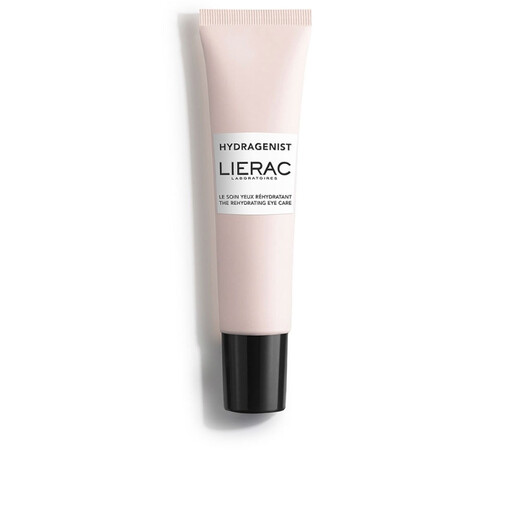
Why this product is a match: Ideal for users in their mid-20s looking to prevent the first signs of dehydration lines. The lightweight gel texture provides intense moisture without feeling heavy and serves as an excellent everyday makeup base.
The product relies on a balanced, hydrating formula with sodium hyaluronate and caffeine, rather than overhyping a single ingredient. It doesn't promise unrealistic instant effects, but rather solid hydration.
According to the manufacturer, the formula consists of 96% ingredients of natural origin, and its lightweight gel texture absorbs quickly, making it suitable for both day and night use.
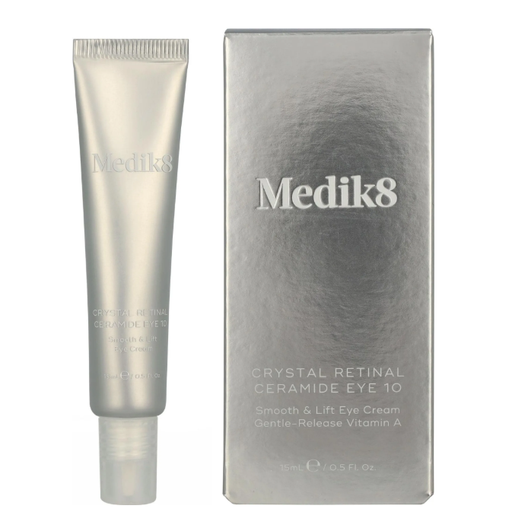
Why this product is a match: This night cream is designed for users who want to specifically target visible signs of ageing, such as wrinkles and fine lines. The formula is engineered for gradual, long-term improvement.
Instead of a purely cosmetic instant effect, this product relies on Retinal, a potent active ingredient for nighttime use. The combination with ceramides and hyaluronic acid avoids the "one-ingredient wonder" approach and provides additional nourishment for the skin.
Contains encapsulated retinaldehyde, which ensures a time-released delivery. The formula is also enriched with ceramides and hyaluronic acid to nourish and hydrate the skin barrier.
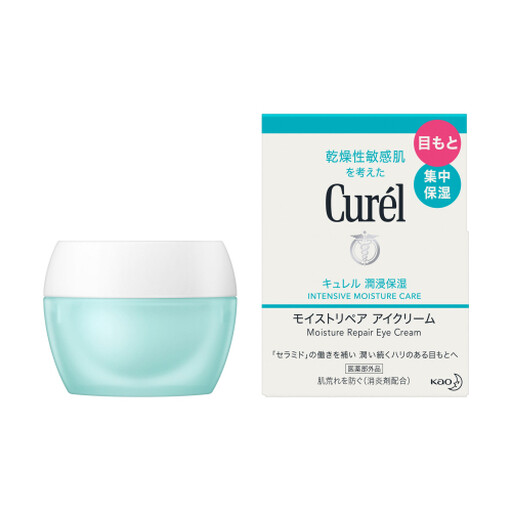
Why this product is a match: Specifically developed for the needs of dry and sensitive skin. The focus is on strengthening the skin barrier and alleviating tightness and dehydration lines without causing irritation.
This product avoids aggressive active ingredients and fragrances that could irritate sensitive skin. Instead, it concentrates on proven, barrier-strengthening ingredients, thus bypassing the trap of over-stimulating "miracle cures."
Contains ceramide-functional ingredients to support the skin barrier, as well as the anti-inflammatory active ingredient allantoin. The formula is designed to minimise irritation.
In addition to creams, targeted treatments like an **eye mask** can be a valuable addition to your skincare routine. We have compiled a selection of products that meet objective criteria for various skin needs.
There's no one-size-fits-all answer, but many people start with a hydrating eye cream in their mid-20s. At this age, the body's natural collagen production begins to slow down. Early, preventative care can help maintain skin elasticity for longer and delay the formation of dehydration lines.
It is generally not recommended. The skin around the eyes is up to ten times thinner than on the rest of the face and has fewer sebaceous glands, making it more prone to dryness and irritation. Face creams can be too rich and may contain "creeping oils" that can migrate into the eyes and cause irritation. A dedicated eye care product is formulated for the specific needs of this delicate area.
Less is more. A rice-sized amount per eye is sufficient. Apply the product with your ring finger, as it exerts the least amount of pressure. Gently tap the cream along the orbital bone (the bone beneath your eye), moving from the inside out. Avoid pulling or rubbing the skin.