
Lieferung heute & morgen

Qualitätsgarantie

Willkommens-Angebote freischalten: KOSTENLOSE Lieferung | Bis zu 80 % RABATT | Kostenlose 30-Tage-JoyPlus-Testphase
App herunterladen
Dry skin under the eyes, visible fine lines, dark circles or puffiness are among the most common reasons to look for an eye cream. However, choosing the right product is not simply a question of price or a well-known brand name. What matters is your skin’s needs, the ingredients, how well the product is tolerated and how you plan to use it.
Terms such as anti-ageing eye cream, “Lift” or “Brightening” initially describe how a product is positioned. They do not guarantee a specific change to the skin. An eye cream can moisturise the skin, making dehydration lines appear less noticeable. However, it cannot universally eliminate the cause of dark circles or puffiness.
Well-known active ingredients should also be viewed realistically:
Even eye care for sensitive skin can contain fragrances or essential oils. In an INCI list, ingredients such as Limonene, Linalool or Geraniol are relevant indicators for people with known fragrance sensitivities. Before buying, it is therefore worth checking the complete ingredients list rather than relying only on the front of the packaging.
The skin around the eyes usually only needs a small amount. If a rich eye cream is applied too generously, it may collect beneath the eyes or roll under make-up. Depending on the product, a pea-sized amount for both eyes is often sufficient. Always follow the specific dosage instructions on the packaging.
For dry skin, a moisturising eye cream containing glycerin, hyaluronic acid, oils, ceramides or shea butter is usually a good choice. A gel-cream can feel lighter and may blend more easily under concealer in the morning. Rich balm textures are better suited to an evening skincare routine or pronounced feelings of tightness.
For sensitive skin, a simple formula, no added fragrance and a cautious tolerance test are advisable. Apply a small amount to an inconspicuous area of skin first.
If you are looking for an eye cream for wrinkles, you should distinguish between moisturising care and vitamin A products. Retinol and retinal formulas are normally introduced into your routine gradually. Suitable sun protection is important during the day. During pregnancy and breastfeeding, vitamin A derivatives should only be used after consulting a doctor.
An eye cream for dark circles or an eye cream for puffiness should likewise be selected according to the underlying cause. Caffeine, moisturising ingredients or optical pigments can affect the appearance of the skin. Dark areas caused by genetics or the natural structure of the face may respond differently from shadows caused by dryness.
Do not compare just the price of the jar; check the fill quantity as well. The range includes products with, for example, 5 g, 15 ml, 20 ml, 25 ml or 30 ml. Also look out for:
Cosmetic products sold in the EU must comply with the requirements of EU Cosmetics Regulation (EC) No 1223/2009. This information is not a substitute for individual dermatological advice.
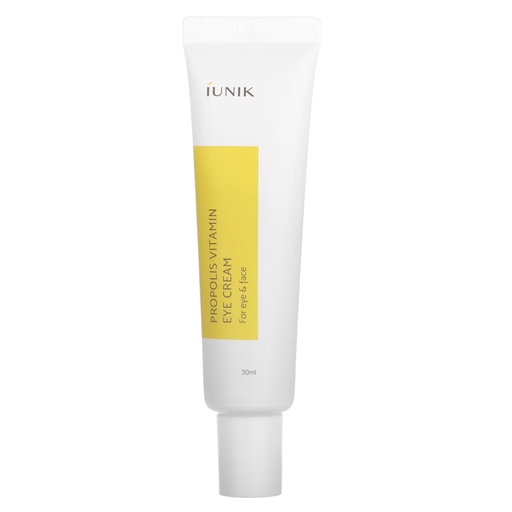
Why this product suits the profile: The 30 ml size and lightweight texture are suitable for people looking for straightforward eye and facial care with a Korean skincare focus.
The product description states that it has a fast-absorbing formula. Nevertheless, the INCI list should be checked for fragrance ingredients such as Limonene and Geraniol.
Propolis and sea buckthorn extract, niacinamide, Centella Asiatica and hyaluronic acid are included in the stated ingredients list.
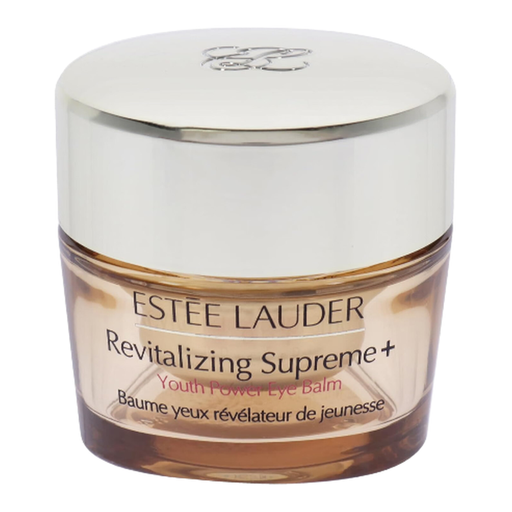
Why this product suits the profile: The rich balm texture is designed for an established skincare routine and dry, mature-looking skin around the eyes.
The stated usage instructions distinguish between daily balm application and weekly mask use. This makes it easier to adjust the amount to suit your skincare routine.
According to the product description, the balm contains hyaluronate, squalane, caffeine and the peptide Acetyl Hexapeptide-8, among other ingredients.
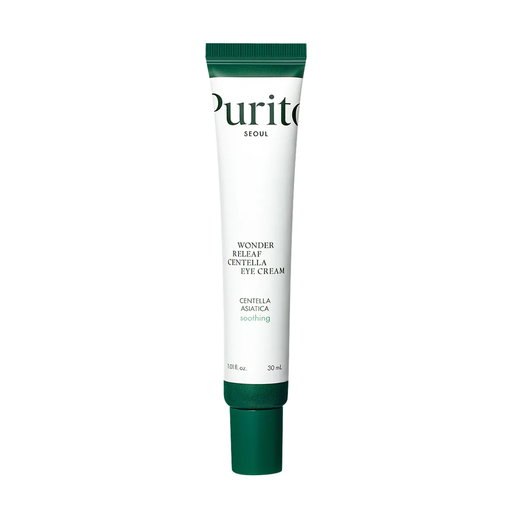
Why this product suits the profile: The 30 ml tube and combination of Centella, humectants and peptides are suitable for regular care when the skin feels dry or stressed.
According to the product details, the formula is free from artificial fragrance, but it does contain bergamot and lavender oils. Sensitive skin should therefore be assessed with particular care.
Centella Asiatica is listed at 16,650 ppm; ceramides, hyaluronate and several peptides are also included.
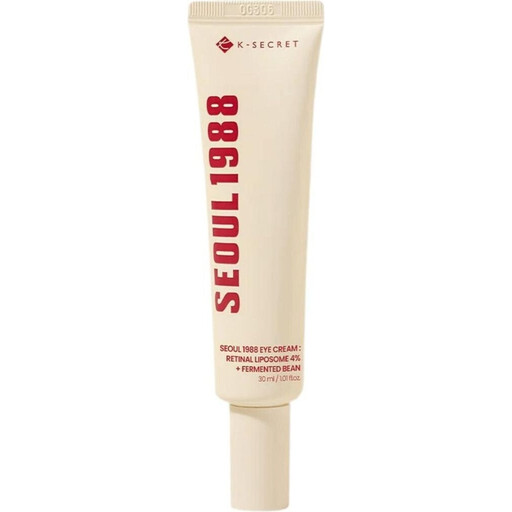
Why this product suits the profile: The formula is aimed at people specifically looking for a retinal eye cream for an evening routine with gradual introduction.
The product details mention retinal and recommend using it in the evening. Introducing it slowly and applying daily sun protection can help avoid unnecessary irritation.
Alongside retinal, the formula lists bakuchiol, niacinamide, vitamin E and vitamin C derivatives, as well as fermented ingredients.
Apply a small amount to the eye area after cleansing and gently pat it in with your ring finger. Avoid direct contact with the eye. New products should not be introduced at the same time as several other active ingredients. Discontinue use if redness, stinging or itching occurs.
We have put together a complete, regularly updated list of products that fully meet these strict selection criteria and the safety regulations applicable in the EU.
That depends on the formula. Moisturising products are often used in the morning and evening. Retinol or retinal products should be applied less frequently at first. The instructions on the relevant packaging are the most important guide.
Refer to the PAO symbol and the best-before date. If the smell, colour or consistency changes, stop using the product. Clean hands and a tightly closed container can support hygienic use.
No. A higher price alone says nothing about whether a product is right for you. Compare the fill quantity, INCI list, texture, active ingredient profile and tolerance. A simple moisturising eye cream may be more suitable for dry skin than a more active formula.