
Lieferung heute & morgen

Qualitätsgarantie

Willkommens-Angebote freischalten: KOSTENLOSE Lieferung | Bis zu 80 % RABATT | Kostenlose 30-Tage-JoyPlus-Testphase
App herunterladen
Dry skin, visible signs of tiredness, fine lines or puffy eye areas lead many people to use eye cream. However, not every product suits every skin type. A rich texture can feel heavy under make-up, while a lightweight eye gel may not provide enough care for very dry skin.
The following guidance will help you put marketing claims into perspective and choose eye care based on clear product characteristics.
Terms such as “anti-ageing”, “for wrinkles” or “for dark circles” generally describe the intended skincare effect or the appearance of the skin. They do not guarantee that wrinkles, discolouration or puffiness will disappear. The visible appearance of the eye area depends on factors including skin type, sleep, genetics and UV exposure.
An eye cream for wrinkles can make the skin’s surface appear smoother by providing moisture. However, this should not be confused with a lasting change to deeper skin structures.
Having lots of ingredients does not necessarily mean a product is better suited to your needs. What matters is whether the formulation matches your individual requirements. For dry skin, glycerine, hyaluronic acid, squalane, shea butter and barrier-supporting lipids can provide useful points of reference. If you have sensitive skin, you should also check the INCI list for fragrances and known allergens.
Cream, gel, balm and gel-cream textures feel noticeably different on the skin. A moisturising eye cream with a rich base can feel comfortable on dry skin. A lightweight eye gel-cream, on the other hand, is often better suited to mornings or use under concealer. Packaging size is also important: eye care is used in small amounts, so 15 to 20 ml can last for quite some time with regular use.
The complete ingredients list on the packaging is the authoritative reference, as formulations can change. For sensitive skin, particular attention should be paid to perfume and fragrance ingredients that must be declared, such as Limonene or Linalool. Plant extracts are not automatically non-irritating either.
Cosmetic products are intended for external use. Eye cream should not come into direct contact with the eye. If redness, stinging, itching or swelling occurs, stop using the product. For injured, inflamed or eczema-prone skin, follow the relevant warnings provided with the product.
A small amount is usually enough for both eyes. Gently pat in the cream with your ring finger without pulling at the skin. Keep enough distance from the lash line to prevent the product from getting into the eye.
Pay attention to the best-before date, batch number and the symbol showing the period after opening. A product marked 6M or 12M should be used within this period after opening. Storing it away from direct sunlight and heat helps protect the formulation.
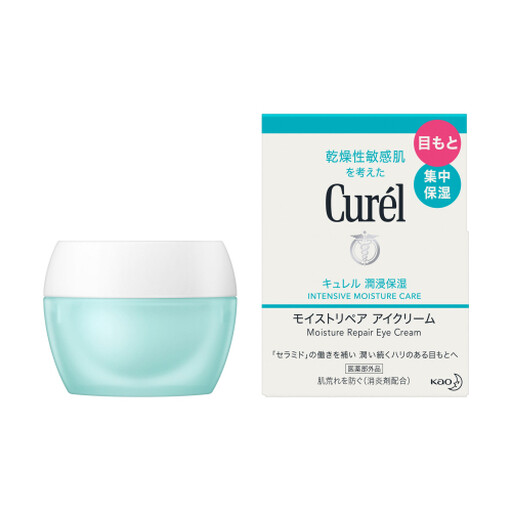
Why this product suits the profile: Designed for dry, sensitive skin, this cream offers a clear starting point for targeted eye care.
The product description mentions a ceramide-functional ingredient, glycerine and allantoin. This places the focus on caring for dry skin rather than making broad claims about results.
25-g pack, lightweight non-greasy texture and, according to the product information, suitable for dry areas around the mouth too.
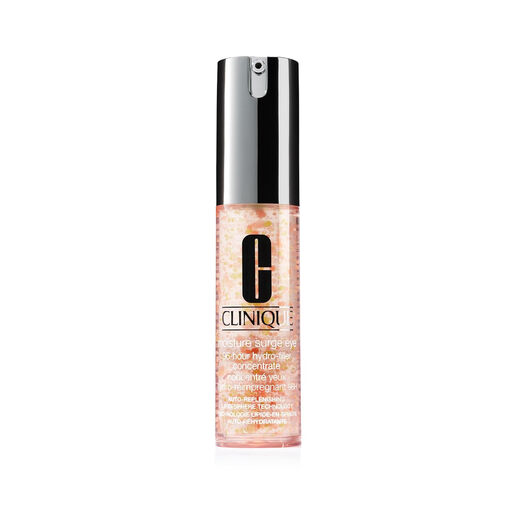
Why this product suits the profile: The water-gel texture is designed to feel lightweight while providing intensive hydration.
The gel formulation reduces the risk of a texture that feels too heavy in the morning. However, individual tolerability should still be assessed.
Lightweight water-gel consistency, plus vitamin E, vitamin C and aloe butter according to the product description.
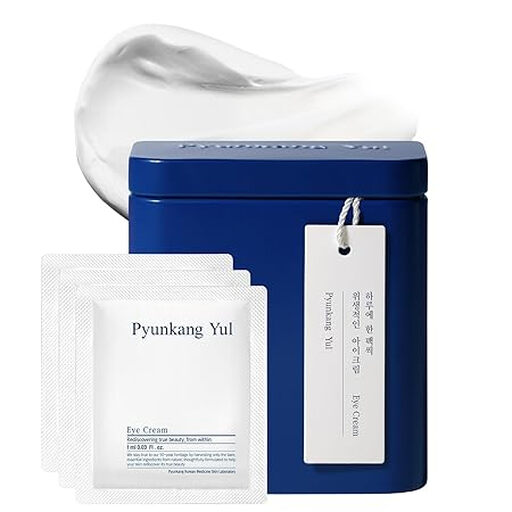
Why this product suits the profile: Individual portions are practical for regular use, travel or hygienic dispensing without repeatedly opening a jar.
The portion format makes the daily amount easy to track and reduces the entire contents’ contact with air and fingers.
50 individually packaged portions, plus ginseng, astragalus root and shea butter according to the product description.
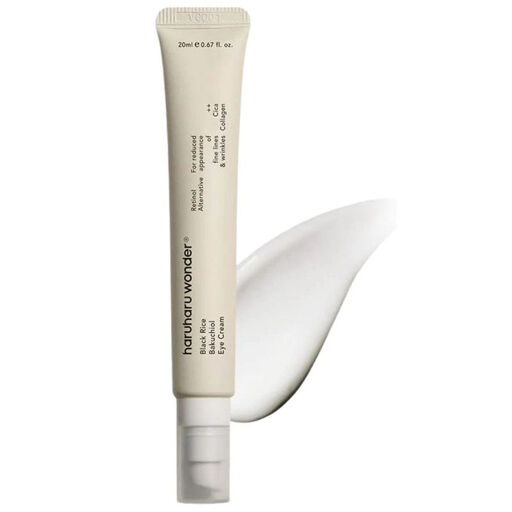
Why this product suits the profile: This Korean eye cream combines a lightweight ampoule texture with black rice and hyaluronic acid, according to the product information.
The product information states that the current INCI list on the packaging is the authoritative reference. This prevents buying based solely on an ingredient name.
20 ml content, fast-absorbing texture, plus black rice extracts and hyaluronic acid according to the product description.
We have put together a complete, regularly updated list of products that fully meet these strict selection criteria and the safety regulations applicable in the EU.
After cleansing, a small amount is enough for both eyes. Gently dab the product onto the skin beneath the eyes and along the orbital bone using your ring finger. Avoid rubbing or direct contact with the eye. In the morning, a lightweight texture can work well under make-up; in the evening, you can choose a richer product depending on your skin type.
The printed date and the PAO symbol on the packaging are the key references. A product marked “6M” should be used within six months of opening, while one marked “12M” should be used within twelve months. If the smell, colour or consistency changes, stop using the product regardless of the stated period.
Eye cream can moisturise the skin and help create a smoother, fresher-looking appearance. Ingredients such as caffeine, niacinamide and light-reflecting pigments are often used for this skincare purpose. However, dark circles and puffiness can have different causes. If changes appear suddenly, affect only one side or persist, you should seek medical advice.