
Lieferung heute & morgen

Qualitätsgarantie

Willkommens-Angebote freischalten: KOSTENLOSE Lieferung | Bis zu 80 % RABATT | Kostenlose 30-Tage-JoyPlus-Testphase
App herunterladen
Dark circles, puffiness and fine lines can have various causes. An eye cream for dark circles can hydrate the skin and improve the appearance of the eye area. However, it is no substitute for medical treatment and cannot completely change genetically inherited shadows, prominent blood vessels or deep-set tear troughs.
Before you buy, it’s worth taking a close look at the formula. Marketing terms such as “lifting”, “glow” or “rejuvenation” alone tell you little about whether a product is actually right for you.
A brightening eye cream may help with brown discolouration, while bluish or purple shadows are often influenced by skin thickness and visible blood vessels. An eye cream with vitamin C or thiamidol is therefore not automatically suitable for every type of dark circle.
Retinol, retinal, acids and fragrances may not suit every skin type. The delicate skin around the eyes is particularly prone to dryness or redness. If you’re using an eye cream with retinol, start slowly and build up gradually. Follow the manufacturer’s guidance on sun protection and avoiding contact with the eyes, too.
A concealer or under-eye brightener can cover shadows straight away. This is a cosmetic colour effect, not the same as using a nourishing eye cream. If you’d like to use both, choose a lightweight texture that won’t settle into fine lines beneath make-up.
Check the full ingredients list before buying. If you have sensitive skin, fragrance-free products can be a practical choice. This also applies if your eyes tend to water or you have a known fragrance allergy. Claims such as “suitable for all skin types” are no substitute for an individual patch test.
Eye creams are usually available in small sizes of 10 to 20 ml. This isn’t necessarily a drawback, as you only need a very small amount each time. A roll-on or metal applicator can make it easier to control the amount you use and reduce direct contact with your hands. The important thing is not to apply the product too close to the lash line or inner corner of the eye.
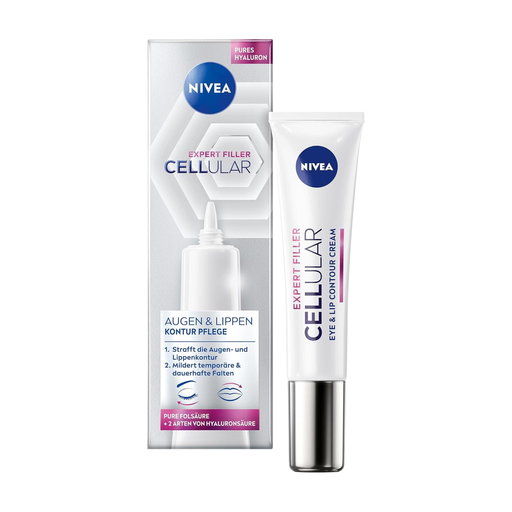
Why this product suits this profile: The formula contains glycerin, shea butter, folic acid and sodium hyaluronate. It’s a good choice for beginners looking for hydration and a nourishing anti-ageing eye cream.
The product description focuses on hydration and skincare rather than promising to instantly change every type of dark circle.
Two forms of hyaluronic acid, shea butter and an ophthalmologically tested formula, according to the product information.
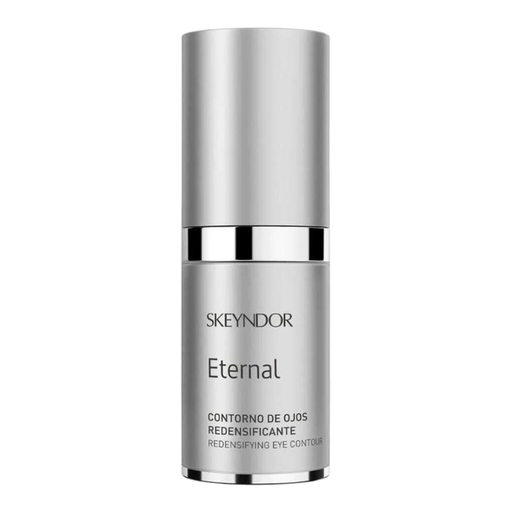
Why this product suits this profile: This eye care combines peptides and glycerin with centella and oat extracts, alongside other nourishing ingredients. It’s aimed at people who prefer a richer, firming eye cream for mature skin.
The ingredients are clearly listed, so shoppers can check whether fragrances or particular plant extracts are suitable for their skin.
Peptides and plant extracts; the product description recommends use morning and evening.
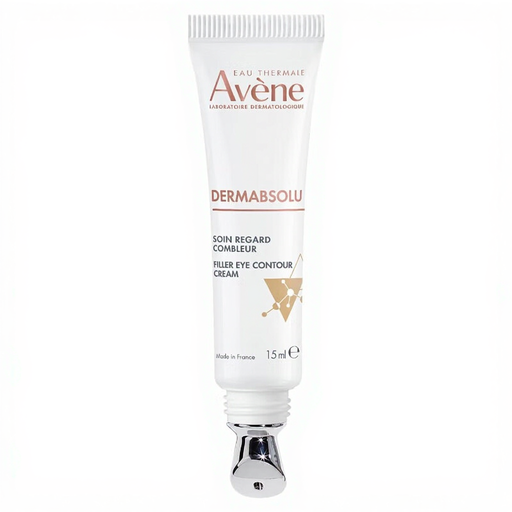
Why this product suits this profile: The formula contains thermal spring water, bakuchiol, glycerin and hyaluronic acid. The cooling metal applicator is designed for careful application with minimal contact.
The applicator helps you control the amount you use. Even so, follow the warnings and take a break if irritation occurs.
Bakuchiol, sodium hyaluronate and a cooling metal applicator, according to the product information.
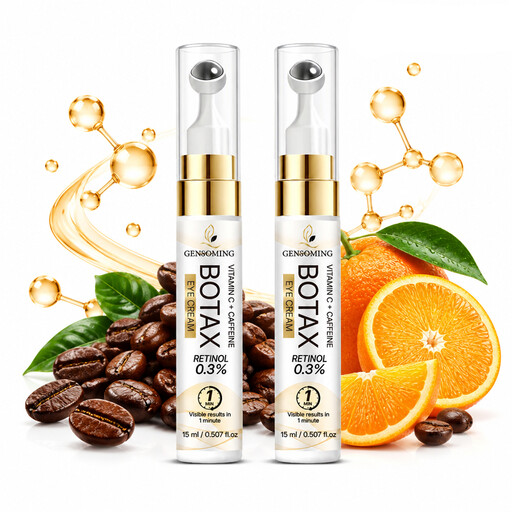
Why this product suits this profile: The roll-on combines hygienic pump dispensing with a 360-degree massage head. The formula lists vitamin C, caffeine, niacinamide and 0.3% retinol.
The retinol concentration is clearly stated as 0.3%, making it easier to incorporate this product into a carefully built-up routine.
Roll-on applicator, vitamin C, caffeine and a stated retinol concentration, according to the product description.
We’ve put together a complete, regularly updated list of products that meet these strict selection criteria and fully comply with the safety regulations in force in the EU.
A small amount, roughly the size of a grain of rice per eye, is usually enough. Gently pat the product in with your ring finger, without rubbing or pulling at the skin. If you’re using retinol or retinal, introduce it gradually, perhaps on just a few evenings a week to begin with. During the day, make sure you include suitable sun protection in your routine.
If you have sensitive skin, test the product on a small area first. Burning, persistent redness, swelling or watery eyes are reasons to stop using it. If symptoms are severe or keep coming back, seek advice from a dermatologist.
It depends on how your dark circles look. If your skin is dry, hyaluronic acid, glycerin and nourishing lipids may help. If you have visible pigmentation, formulas with vitamin C or specific brightening ingredients may be worth considering. A concealer, on the other hand, gives instant coverage but doesn’t treat the cause.
If you use it morning and evening, a 15 ml pack will often last from several weeks to a few months, depending on how much you apply. The amount used, the product’s consistency and its shelf life after opening all matter. Check the jar symbol on the packaging and the best-before date.
Many products are intended for use morning and evening, according to their directions. If you’re using an eye cream with retinol or retinal, check how well your skin tolerates it first. A lightweight eye cream without potentially irritating ingredients may be more suitable for everyday use. In general, avoid direct contact with the eyes.