
Lieferung heute & morgen

Qualitätsgarantie

Willkommens-Angebote freischalten: KOSTENLOSE Lieferung | Bis zu 80 % RABATT | Kostenlose 30-Tage-JoyPlus-Testphase
App herunterladen
Dark shadows under the eyes can be caused by genetics, visible blood vessels, pigmentation, dry skin or puffiness. An eye cream for dark circles can hydrate the skin and help the eye area look more cared for. However, it won't automatically change the individual cause of the discolouration.
When choosing, it's worth taking a practical look at ingredients, skin tolerance and application. Marketing terms like "glow", "brightening" or "anti-fatigue" alone are not sufficient reasons to buy.
Caffeine is often associated with a treatment for puffiness, vitamin C with a brightening eye cream, and retinol with an anti-wrinkle eye cream. This association can help with pre-selection, but it says nothing about tolerance or whether it's actually suitable for your individual skin type.
What's more, many products contain several active ingredients in different forms. With vitamin C, for example, it's crucial whether it contains ascorbic acid or a vitamin C derivative such as ascorbyl glucoside or 3-O-ethyl ascorbic acid.
Even an eye care product marketed as gentle can contain fragrances, essential oils or preservatives that some people cannot tolerate. The INCI list on the packaging is therefore the deciding factor. If you have sensitive skin, you should first test products on a small area of skin. Direct contact with the eye must be avoided.
An eye cream for puffiness primarily addresses the appearance of water retention or that morning "puffy eyes" look. A brightening eye cream, on the other hand, targets uneven skin tone or visible shadows. For genetically determined hollows or pronounced dark circles, a cream can only offer a limited cosmetic care effect.
For an eye care product for tired eyes, depending on the formulation, the following ingredients may be relevant:
The position of an ingredient on the ingredients list can give an indication of its relative amount used. However, it's not always possible to determine the exact concentration from this.
Light gel textures are often suitable for those who don't want a rich treatment under make-up. Creamier formulations can feel more comfortable on dry skin. A tube closure or a hygienic pump dispenser limits contact with air and fingers. Metal or ceramic applicators can feel cool; however, this effect should not be equated with a permanent change to dark circles.
The eye area should not be rubbed or stretched. A small amount, about the size of a grain of rice per eye, should be gently tapped in with the ring finger. For products containing retinol, acids or several active ingredients, a slow introduction period is advisable. During the day, a suitable sunscreen should be part of your facial skincare routine, especially if your skin may be more sensitive to certain ingredients.
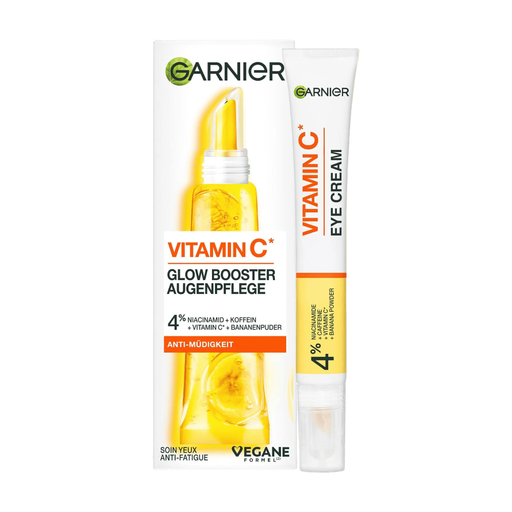
Why this product fits the profile: According to the product information, the formulation combines niacinamide, caffeine, a vitamin C derivative and hydrolysed hyaluronic acid. This makes it suitable for starting a targeted care routine for tired-looking eyes.
The relevant active ingredient groups are traceable on the ingredients list, rather than just being promoted with a general "glow" term.
15 ml tube; glycerin, niacinamide, caffeine and a vitamin C derivative are listed in the INCI list provided.
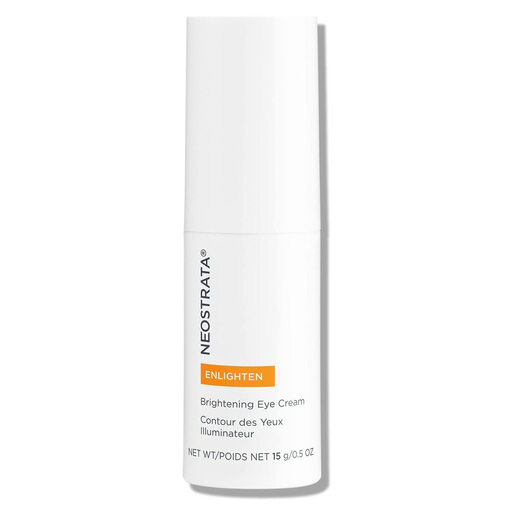
Why this product fits the profile: The fragrance-free formulation contains gluconolactone, lactobionic acid, peptides, panthenol and sodium hyaluronate, according to the product information. This appeals to buyers who prioritise ingredient details and a structured skincare routine.
The product description states its fragrance-free focus and specifically lists the acids, peptides and humectants it contains.
Fragrance-free claim; combination of gluconolactone, lactobionic acid, peptides and sodium hyaluronate.
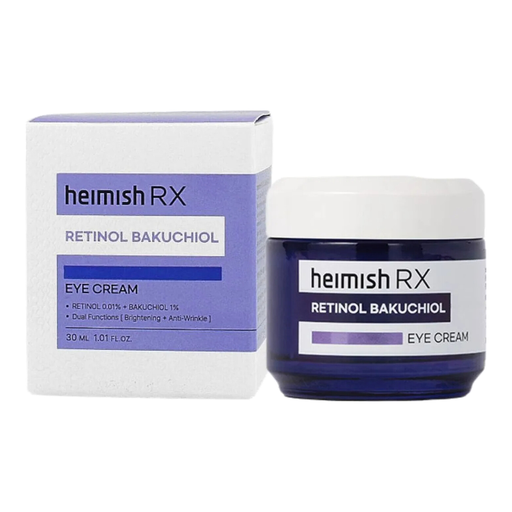
Why this product fits the profile: The formulation is aimed at those looking for an anti-ageing eye cream with retinol, bakuchiol and niacinamide, and who plan a regular evening routine.
The stated concentrations of 0.01% retinol, 1% bakuchiol and 5% niacinamide make the active ingredient selection more transparent.
30 ml content; metal applicator; also contains hyaluronic acid, macadamia oil and shea butter according to the product information.
We've put together a complete, regularly updated list of products that fully meet these strict selection criteria and the safety regulations in force in the EU.
An eye cream is usually applied to clean skin in the morning, evening or as directed by the manufacturer. If you use several active products, you should not introduce retinol, acids and heavily fragranced formulations all at the same time. This makes it easier to identify which product might be irritating your skin.
Cosmetic products should be stored in a dry place, away from direct sunlight, with the lid closed. The best-before date and the symbol indicating the period of use after opening on the packaging should be observed. If redness, burning, itching or swelling occurs, stop using the product. If symptoms persist, seek medical advice.
That depends on the cause. For uneven skin tone, niacinamide or vitamin C derivatives are often used, while caffeine is frequently found in products for tired-looking eyes and puffiness. For dry skin, glycerin and hyaluronic acid are relevant humectants. A cosmetic cream can care for the appearance, but cannot replace a medical diagnosis or treatment.
With a small daily amount, 15 ml usually lasts several weeks to months, depending on the packaging and application. The actual duration depends on whether the product is used once or twice a day and only under the eyes or also on the upper eye area. Using an excessive amount does not meaningfully increase the product's effectiveness.
Combining them is possible, but should be done gradually. Two products with similar active ingredients can affect tolerance. It makes sense to use one product consistently first and only add another care product later. With retinol, the instructions on the packaging should be followed particularly carefully.