
Lieferung heute & morgen

Qualitätsgarantie

Willkommens-Angebote freischalten: KOSTENLOSE Lieferung | Bis zu 80 % RABATT | Kostenlose 30-Tage-JoyPlus-Testphase
App herunterladen
Dark circles, puffiness and fine lines can have a variety of causes. An eye cream for dark circles can hydrate the skin and help the eye area look more cared for. However, it is no substitute for getting enough sleep, nor for a dermatological consultation if you experience sudden or persistent changes.
When buying, three common marketing pitfalls often lead to poor decisions:
An eye care product for dark circles should suit your individual concerns:
An eye cream for wrinkles can improve the appearance of dry lines through nourishment and hydration. Claims about actual wrinkle reduction should always be taken as a cosmetic product claim from the respective brand.
The skin around the eyes is thin and can be sensitive for some people. Therefore, pay attention to:
For an eye cream for sensitive skin, it is advisable to do a patch test on a small area of skin. The product must not come into direct contact with the eye. If you experience stinging, redness or a rash, stop using it.
Most eye creams are available in sizes of around 15 to 20 ml. Since you only need a small amount per eye, the fill size isn’t the only thing that matters. Also check:
Apply a small amount with your ring finger and gently tap it along the orbital bone. Rubbing or pulling at the skin can further irritate the area.
The following recommendations categorise products based on their stated ingredients, textures and usage instructions. They do not constitute a medical evaluation.
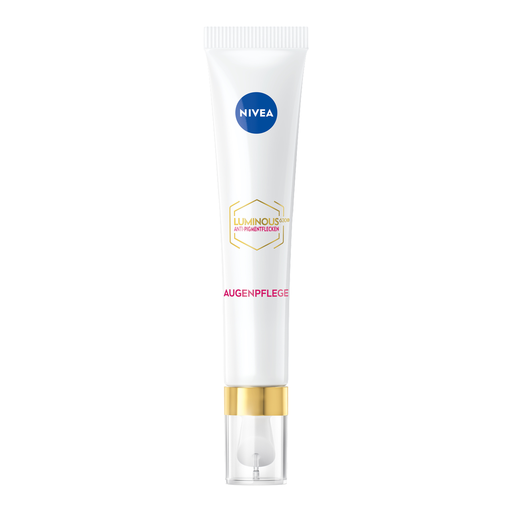
Why this product fits the profile: The combination of Thiamidol, caffeine and sodium hyaluronate appeals to those looking for a straightforward product to address dark circles, puffiness and dryness.
The product details name specific ingredients and a maximum application of four times daily for LUMINOUS630, rather than just promising a general brightening effect.
Contains caffeine and hyaluronic acid; according to product information, dermatologically tested and suitable for all skin types.
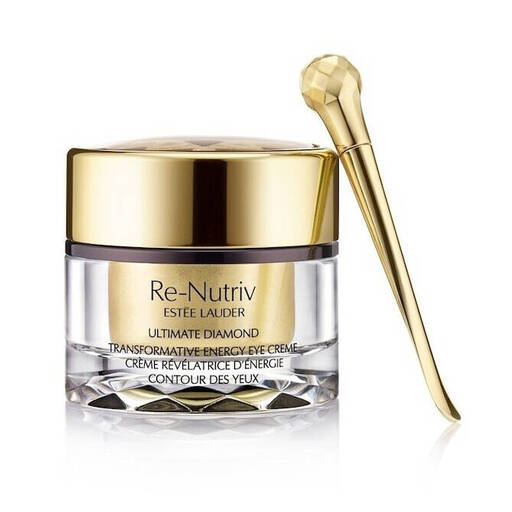
Why this product fits the profile: The richer formula with a ceramic applicator is aimed at users who value a luxurious anti-ageing eye cream and a structured skincare experience.
The product description details not only the texture but also the ceramic applicator and the included sodium hyaluronate and caffeine components.
Ceramic applicator, shea butter, glycerin and hyaluronic acid; the formula also contains caffeine and several nourishing extracts.
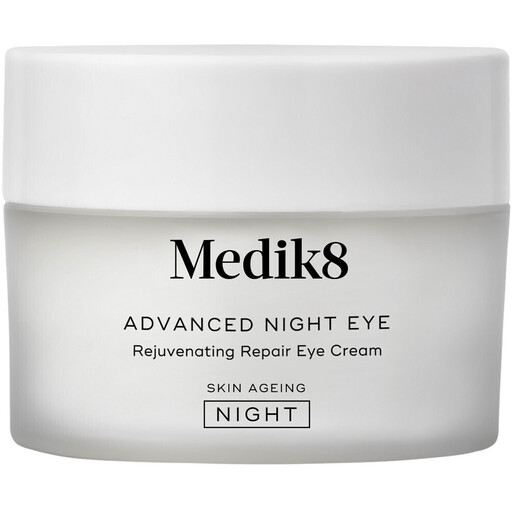
Why this product fits the profile: The explicitly night-time use suits those who want to incorporate eye care into their evening routine and value a vegan, fragrance-free formula.
The product description states the intended conditions of use and the absence of parabens, alcohol and fragrances, rather than guaranteeing tolerance in a blanket way.
Vegan and free from parabens, alcohol and fragrances according to the product description; contains caffeine and hyaluronic acid.
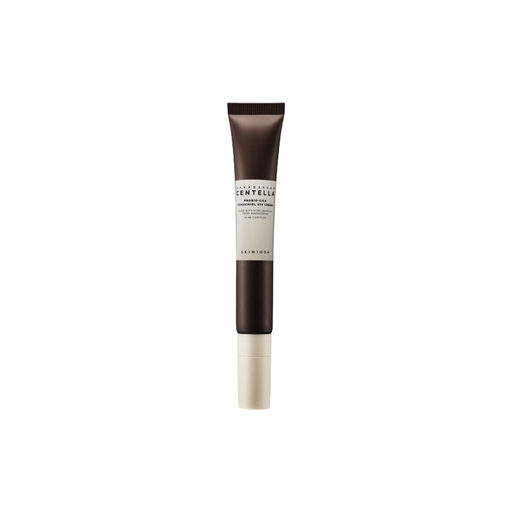
Why this product fits the profile: The lightweight gel texture with centella, bakuchiol, niacinamide and hyaluronic acid is designed for daily care of sensitive and dry eye areas.
The details mention a lightweight, non-sticky texture and the absence of artificial fragrances – relevant points to avoid unsuitable, heavy care.
Bakuchiol, centella asiatica extract and sodium hyaluronate; according to the product description, free from artificial fragrances and suitable for all skin types.
We have put together a complete, regularly updated list of products that fully meet these strict selection criteria and the safety regulations in force in the EU.
That depends on the appearance. For dry lines, moisturising formulations with glycerin or hyaluronic acid are a good choice. For puffiness, products with caffeine or a cooling applicator may be of interest. For pigmented-looking dark circles, it’s worth looking at targeted brightening care and the full INCI list.
Use about a rice-grain-sized amount for both eyes. Apply the cream to clean skin along the orbital bone and gently tap it in. Avoid direct contact with the eye. New products should first be tested on a small area of skin.
The best-before date and the PAO symbol on the packaging are what matter, for example “6M” for six months after opening. Close the packaging after each use and store it in a cool place away from direct sunlight. If the smell, colour or consistency changes, the product should no longer be used.