
Lieferung heute & morgen

Qualitätsgarantie

Willkommens-Angebote freischalten: KOSTENLOSE Lieferung | Bis zu 80 % RABATT | Kostenlose 30-Tage-JoyPlus-Testphase
App herunterladen
An eye cream for dark circles and wrinkles needs to suit your skin, your skincare goals and your daily routine. Yet eye-catching packaging and blanket promises of results often lead to the wrong purchase. Dark circles, for example, can be caused by pigmentation, visible blood vessels, shadowing or lack of sleep. A skincare product can support the skin’s appearance, but it cannot influence every cause equally.
Names like retinol, retinal, peptides, caffeine or hyaluronic acid only tell you what ingredients are present. What also matters is the full INCI list, the texture and how well your skin tolerates it. An eye cream with retinol or an eye care product with retinal is not automatically suitable for beginners or very sensitive skin.
An eye cream for under-eye bags or an eye cream for puffiness can be formulated very differently from a rich moisturiser for dry lines. Cooling gels often rely on lightweight textures and a refreshing application. For dry skin, on the other hand, a creamier, more hydrating formula may be a better choice.
Fragrance, alcohol, essential oils or certain preservatives can be relevant for sensitive skin. Even a product with a generally suitable combination of active ingredients can feel unpleasant if your individual skin reacts to it. Before regular use, it is advisable to do a patch test on a small area of skin. The product must not come into direct contact with the eye.
A cooling eye gel usually absorbs quickly and can be practical under make-up in the morning. Gel-creams combine a light skin feel with hydration. Richer creams are better suited to dry or mature skin, but can feel heavy on oily skin or skin prone to milia.
For sensitive skin, a clear INCI list, the absence of fragrance and a cautious introduction are important guidelines. The label “for all skin types” does not replace checking the actual listed ingredients.
The eye area only needs a small amount. After cleansing, gently tap the product along the under-eye area and the brow bone using your ring finger. Avoid rubbing or pulling. With retinol or retinal, a gradual introduction is sensible, while hydrating products can usually be used morning and evening, unless the packaging states otherwise.
Also pay attention to the fill quantity, shelf life and period-after-opening symbol. A larger pot is not automatically more economical if the product should only be used for a limited time after opening.
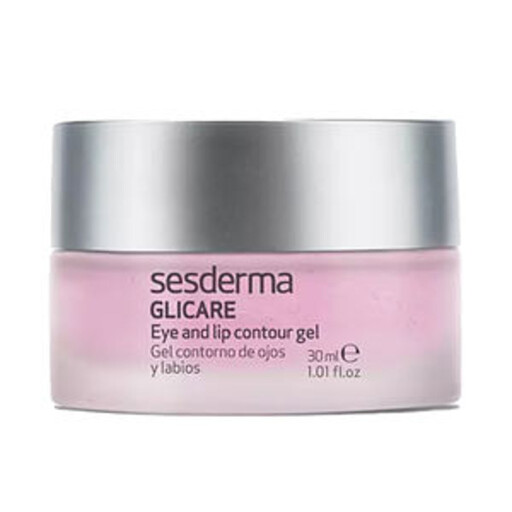
Why this product fits the profile: According to the product description, this lightweight gel is intended for normal, combination and oily skin and can be used both morning and evening. Sodium hyaluronate is listed in the INCI.
The clear gel texture and stated usage help you avoid a product that is too heavy for oily or combination skin.
30 ml content; lightweight, fast-absorbing gel texture; hyaluronic acid derivative in the ingredients list.
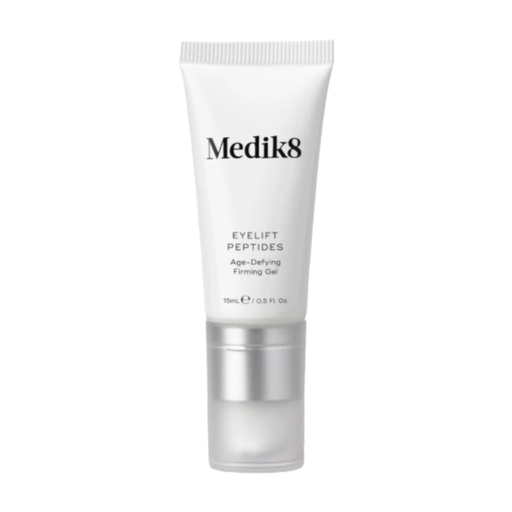
Why this product fits the profile: The formulation uses several peptides and a lightweight gel texture. According to the product information, it is intended for daily use and all skin types.
Instead of a vague anti-ageing promise, several specific peptides are listed in the ingredients.
Peptide complex; fast absorption; application to the under-eye area and along the brow bone.
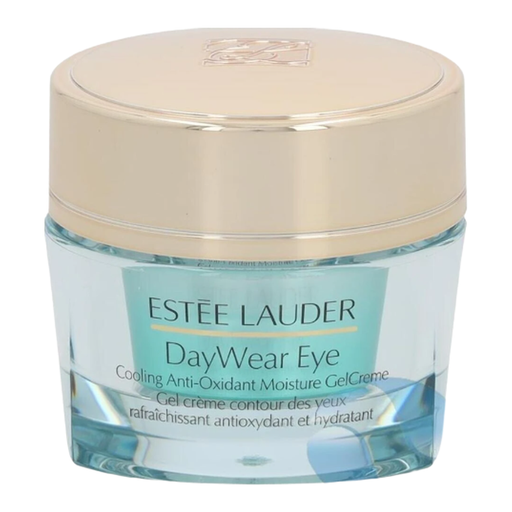
Why this product fits the profile: This gel-cream is described as suitable for normal, dry and combination skin and contains, among other things, glycerin, sodium hyaluronate, caffeine and tocopherol.
The stated gel-cream texture offers a clear alternative to very rich creams when a light skin feel is desired in the morning.
15 ml; gel-cream with a cooling effect according to the product information; stated to be free from parabens, sulphates, paraffin and phthalates.
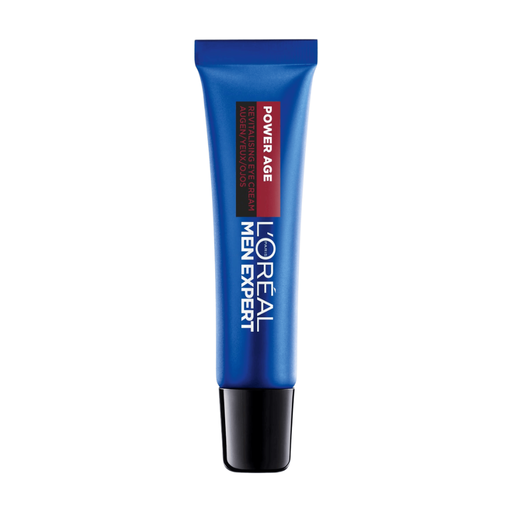
Why this product fits the profile: This product is specifically marketed for men and contains, among other things, niacinamide, caffeine, adenosine and sodium hyaluronate.
The INCI list makes the choice of active ingredients verifiable and prevents the buying decision from being based solely on the product name.
15 ml; combination of moisturisers, caffeine and niacinamide; described for dry eye areas.
We have put together a complete, regularly updated list of products that fully meet these strict selection criteria and the safety regulations in force in the EU.
Look for a clear, simple ingredients list and check whether fragrance or alcohol is included. An eye cream for sensitive skin should first be tested on a small area. If you experience stinging, redness or itching, stop using it.
That depends on the formulation. Hydrating eye creams and gels are often used morning and evening. Products containing retinol or retinal should initially be applied at longer intervals. The instructions on the packaging are the key guide.
With a small amount per application, a 15 ml pot can last several weeks to a few months. Usage and shelf life after opening depend on how you use it and the manufacturer’s information. So check both the opening symbol and the printed best-before or expiry date.