
Lieferung heute & morgen

Qualitätsgarantie

Willkommens-Angebote freischalten: KOSTENLOSE Lieferung | Bis zu 80 % RABATT | Kostenlose 30-Tage-JoyPlus-Testphase
App herunterladen
Dark under-eye areas, fine lines and morning puffiness can have various causes. Lack of sleep, dry skin, genetically determined pigmentation or thinning skin can all play a part. An eye cream for dark circles and wrinkles can nourish the skin's surface and make it appear smoother, but it won't change every cause equally.
Terms like "anti-ageing", "glow" or "lifting" alone tell you very little about the actual formulation. What matters is the full INCI list. With a retinal product, retinal should actually be listed; with a hydrating eye cream, ingredients such as glycerin, sodium hyaluronate or other humectants are relevant.
The position of an ingredient in the list can also offer clues. However, it does not replace an individual tolerance test, as the exact concentration is not always clear from the INCI order.
An eye care product for puffiness often works with a light texture and a cooling or massaging applicator. For brownish dark circles, however, the focus may be on caring for dry skin or creating a more even-looking complexion. Products with caffeine, niacinamide or vitamin C derivatives are not automatically suitable for every sensitive eye area.
Perfume and fragrance ingredients that must be declared, such as limonene, linalool or citronellol, can be relevant for sensitive individuals. A "natural" scent is not automatically non-irritating. If you are prone to redness, stinging or watery eyes, you should use an eye cream for sensitive skin sparingly and test it on a small area first.
For fine lines caused by dryness, formulations with glycerin, hyaluronic acid, ceramides or peptides as nourishing components are suitable. An anti-ageing eye cream with retinal, or a retinal eye cream, should be introduced slowly into your routine. One application in the evening may be enough to start with. If irritation occurs, stop using it.
Bakuchiol is often used as a plant-based ingredient in a bakuchiol eye cream. It is not the same as retinal or retinol. Products should therefore be compared not just on marketing claims, but on the INCI, usage instructions and personal tolerance.
Gel creams usually absorb more easily and can sit more comfortably under make-up. Richer creams are better suited to dry skin, but can feel heavy if you apply too much. An eye serum is often thinner and can be combined under a cream.
Dosage and hygiene are also important: pump bottles or tubes limit direct contact with the formulation. With jars, you should always use clean hands to scoop out the product. The best-before date, batch number and, where applicable, the period after opening are stated on the packaging.
Eye care should only be applied to the skin around the eye, not directly into the eyeball. A small amount is enough; gently tapping it in with your ring finger reduces unnecessary pulling. For retinal or other vitamin A derivatives, follow the manufacturer's instructions. A daily sunscreen for the rest of your face completes the routine.
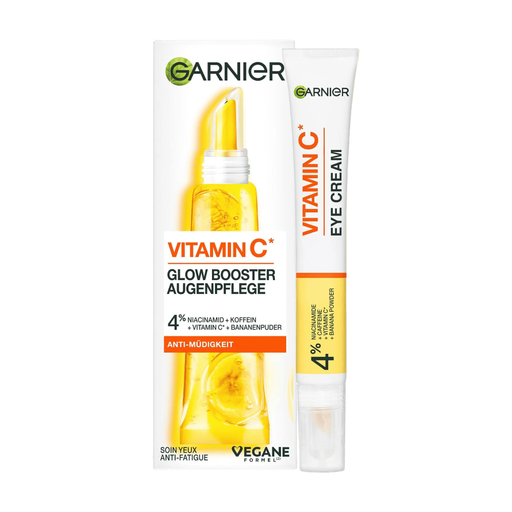
Why this product suits the profile: The compact 15 ml size is ideal for starting a daily eye care routine. The INCI list includes niacinamide, caffeine, ascorbyl glucoside and hydrolysed hyaluronic acid, among others.
The selection can be understood based on specific ingredients rather than just the term "Anti-Fatigue". The full INCI list should still be checked on the packaging before purchase.
Caffeine, niacinamide and a vitamin C derivative; small product size for daily use.
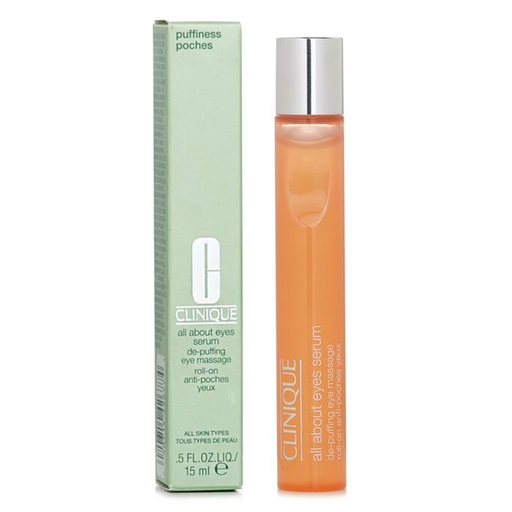
Why this product suits the profile: The roll-on applicator is appealing for those who prefer a defined application under the eyes. According to the product details, the serum is applied morning and evening with gentle pressure.
The massage roller makes the application principle clear. However, the formulation contains perfume as well as several declared fragrance ingredients, which should be considered if you have sensitive skin.
Roll-on applicator; 15 ml content; contains tocopheryl acetate and plant oils, among other ingredients.
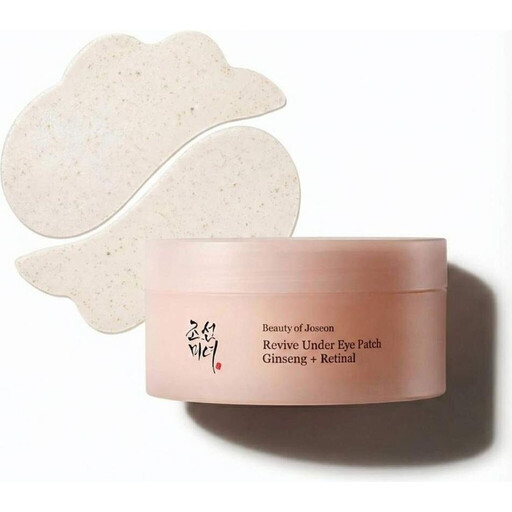
Why this product suits the profile: The 60 hydrogel pads are ideal for occasional extra care, such as before an event or when the eye area looks dry. The recommended application time is 20 to 30 minutes.
The pack size and application time are clearly stated. Pads do not replace daily care and should not be seen as a permanent solution for genetically determined dark circles.
60 pieces; ginseng, glycerin, ceramide NP and retinal according to product details.
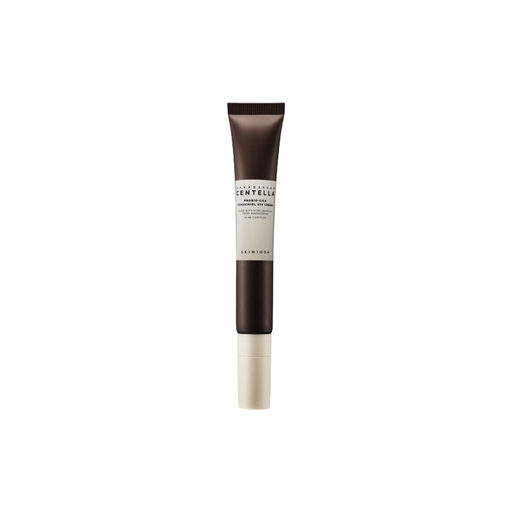
Why this product suits the profile: The product details list centella asiatica, bakuchiol, panthenol, glycerin and sodium hyaluronate. The light gel texture is intended for daily use in the morning and evening.
According to the product description, the formulation is free from artificial fragrance ingredients. Nevertheless, a patch test is still advisable, as individual intolerances cannot be ruled out.
20 ml; bakuchiol, centella asiatica extract and hyaluronic acid according to product details.
We have put together a full, regularly updated list of products that fully meet these strict selection criteria and the safety regulations in force in the EU.
An eye cream for sensitive skin should have a straightforward formulation and be free from fragrance ingredients that you personally find problematic. Check the INCI list and test the product on a small area first. If discomfort persists, you should have your skin checked by a doctor.
Both ingredients are used in specific eye care products, but they are not the same. Retinal is a vitamin A derivative and requires gradual introduction according to the manufacturer's instructions. A bakuchiol eye cream can be an alternative for those who wish to avoid vitamin A derivatives; here too, tolerance is individual.
This depends on the product, packaging and manufacturer's instructions. The symbol for the period after opening, the expiry date and storage conditions are decisive. If the smell, colour or consistency changes, the product should no longer be used.