
Lieferung heute & morgen

Qualitätsgarantie

Willkommens-Angebote freischalten: KOSTENLOSE Lieferung | Bis zu 80 % RABATT | Kostenlose 30-Tage-JoyPlus-Testphase
App herunterladen
Finding the right eye cream can be trickier than many product claims suggest. The skin around your eyes is thin, often sensitive and usually needs a different texture from the rest of your face care. Eye care products also vary considerably in their ingredients, fragrance, packaging and how they are used.
Luxury packaging or a well-known brand name is no substitute for checking the INCI list. For dry skin, ingredients such as glycerin, shea butter, squalane or hyaluronic acid may be useful. For sensitive skin, a short ingredients list and no added fragrance are often more important than a complex blend of active ingredients.
Dark circles can be caused by shadows, visible blood vessels, pigmentation or skin that temporarily looks tired. An eye cream for dark circles may address their appearance in different ways, depending on its formula, but there is no guarantee it will help with every cause. Caffeine, vitamin C and ingredients promoted for their brightening effects are no substitute for choosing a product with realistic expectations.
An eye cream with retinol, bakuchiol, vitamin C, peptides and caffeine may be worth considering, but it needs to suit your existing skincare routine. Retinol products in particular should be introduced gradually. Stop using the product if you experience stinging, redness or itching. Unless the manufacturer says otherwise, do not apply eye cream directly to your eyelid or into your eye.
Creamy textures containing glycerin, hyaluronic acid, sodium PCA, oils or shea butter are often a good choice for dry or mature-looking skin. A hydrating eye cream can make fine lines caused by dryness look less noticeable, as long as your skin stays adequately hydrated.
Light gel textures usually absorb more quickly and can work well under make-up. Richer creams, on the other hand, tend to leave a more nourishing layer on the skin. If you are prone to puffy eyes, check that the texture feels light and avoid applying too much product.
Eye creams typically come in sizes of around 10 to 30 ml. Jars make it easy to take out the product, but you will need clean hands. Pump bottles and sticks reduce direct contact with the product. An eye cream stick can be handy when you are out and about, but it is not necessarily a substitute for a richer moisturiser.
Cosmetics sold in the EU must carry a full INCI ingredients list. Also check the responsible manufacturer, the product’s shelf life after opening and the specific instructions for use. “Dermatologically tested” or “ophthalmologically tested” describes testing in a particular context; it is not a general guarantee that the product will suit everyone.
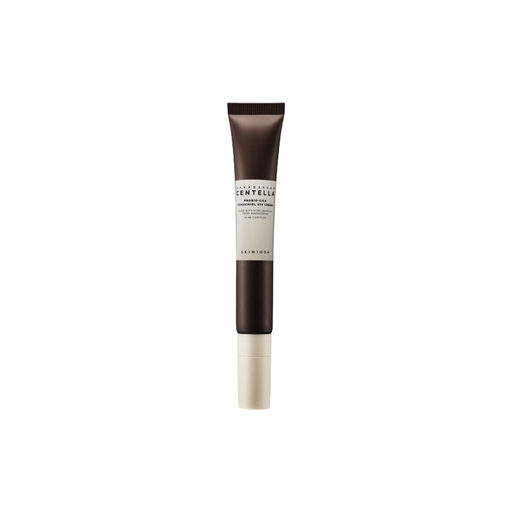
Why this product suits this profile: The 20 ml formula combines bakuchiol, Centella asiatica extract, niacinamide and hyaluronic acid. This lightweight gel-cream is designed for daily use.
The ingredients are clearly listed and the texture is described as fast-absorbing, rather than relying solely on a vague anti-ageing claim.
Bakuchiol, niacinamide and sodium hyaluronate; according to the product information, it contains no artificial fragrance.
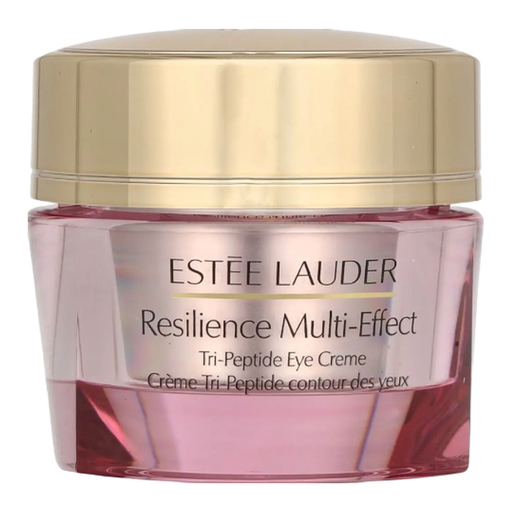
Why this product suits this profile: According to the product description, the cream contains a Tri-Peptide Complex, glycerin, sodium hyaluronate, caffeine and antioxidants. It is designed for use morning and evening.
The product details specify the volume, skin type and how to use it, as well as noting dermatological and ophthalmological testing. This makes it easier to understand what you are choosing.
15 ml; Tri-Peptide Complex, caffeine and humectants in a rich cream base.
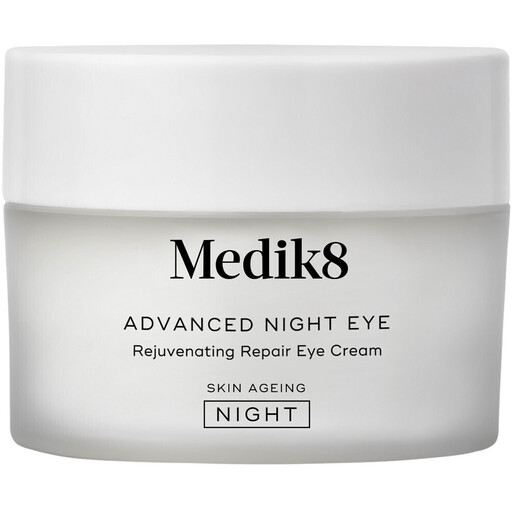
Why this product suits this profile: According to the product description, this night treatment contains caffeine, hyaluronic acid, berry extracts and dragon fruit extracts. It is described as vegan and free from parabens, alcohol and fragrance.
Its intended evening use and the fact that it is free from alcohol and fragrance are clearly stated. This makes it easier to choose if you prefer a pared-back skincare routine.
15 ml night cream; caffeine and hyaluronic acid; described as suitable for sensitive skin according to the product information.
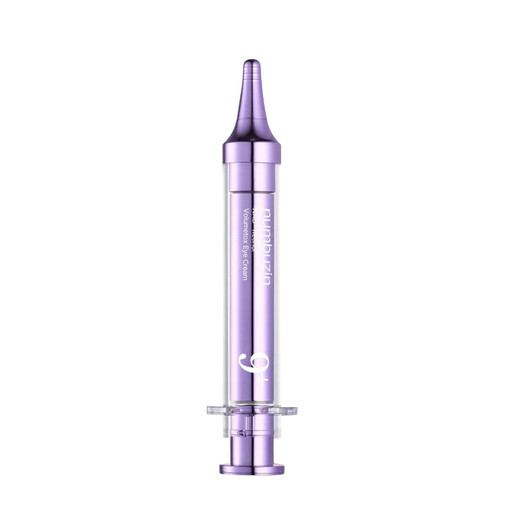
Why this product suits this profile: According to the product description, this Korean eye cream combines NAD+, retinol and peptides. It is aimed at people looking for targeted anti-ageing eye care in a compact size.
Retinol is listed as a key ingredient. This sets the formula apart from products designed purely to hydrate and makes it easier to introduce gradually into your routine.
10 ml; NAD+, retinol and peptides according to the product description; suitable for gradual introduction into your routine.
We’ve put together a complete, regularly updated list of products that meet these strict selection criteria and fully comply with the safety regulations applicable in the EU.
Apply a small amount to clean skin and gently pat it in with your ring finger. Avoid rubbing or pulling at the skin. In the morning, we recommend using a suitable sunscreen on your face as well. If you use a retinol product, it is sensible to increase how often you apply it gradually.
Check the printed date and the symbol showing how long the product keeps after opening. If its smell, colour or consistency changes, stop using the eye cream. Even when stored properly, a jar will not keep indefinitely.
It depends on the formula. Many products are designed for use morning and evening. If you are using retinol or have sensitive skin, it may be better to start less frequently. Always follow the manufacturer’s instructions and pay attention to how your skin responds.
An eye cream for puffiness can help improve the cosmetic appearance of tired-looking or puffy skin. Caffeine and a lightweight texture are often used for this purpose. However, results depend on the individual cause and regular use.
Check the PAO symbol on the packaging, such as “6M” or “12M”. This indicates the recommended period of use after opening. Clean hands, a tightly closed lid and storing the product away from direct heat or sunlight will help maintain its quality.