
Lieferung heute & morgen

Qualitätsgarantie

Willkommens-Angebote freischalten: KOSTENLOSE Lieferung | Bis zu 80 % RABATT | Kostenlose 30-Tage-JoyPlus-Testphase
App herunterladen
Fine lines, dry skin, dark circles or puffiness: the right eye care depends on more than just the promise on the packaging. What really matters is the ingredient profile, skin tolerance, texture and usage instructions. If you're looking to buy an eye cream for wrinkles, it's also worth distinguishing between a short-term moisturising effect and a long-term cosmetic improvement in the appearance of your skin.
Terms like "lifting", "repair" or "youth" often describe a product's positioning, but on their own they say little about the actual formulation. With a retinol eye cream or a product containing retinal, you should check whether the ingredient is listed on the INCI list and what application the manufacturer recommends. A high concentration of active ingredients is not automatically suitable for every area of the face or every skin type.
Dark under-eye areas can have different visible causes, such as shadows, pigmentation, thin-looking skin or tiredness. An eye cream for dark circles can hydrate the skin or contain brightening ingredients. However, there is no guarantee that dark circles will disappear completely.
The skin around the eyes is delicate. Fragrances, essential oils or a high alcohol content can be uncomfortable for some people. If you're looking for eye care for sensitive skin, you should read the current ingredient list on the packaging and, if in doubt, apply a small amount to an inconspicuous area of skin first. If you experience stinging, redness or itching, stop using the product.
A bakuchiol eye cream can be an option for those who prefer a plant-based ingredient. However, bakuchiol is not the same as retinol. If you choose a vitamin C eye cream, you should also note that vitamin C is used in different chemical forms.
Retinol and retinal belong to the vitamin A derivatives. They can make your skincare routine more demanding, as your skin may initially react sensitively. Products containing these ingredients should be introduced according to the manufacturer's instructions. During the day, a suitable sunscreen should be part of your routine.
Bakuchiol is often marketed as a plant-based alternative to retinol. This does not mean that both ingredients have identical properties or identical tolerance levels. For beginners, a gentle formulation with moisturisers and soothing ingredients can be more practical than an intensive active-ingredient product.
A light gel-cream is often suitable for use under make-up. Richer textures can feel more comfortable on dry skin, but may feel heavier on oily skin. A small amount is usually enough for the eye area. The cream should be applied gently with the ring finger, without pulling on the skin.
Also pay attention to:
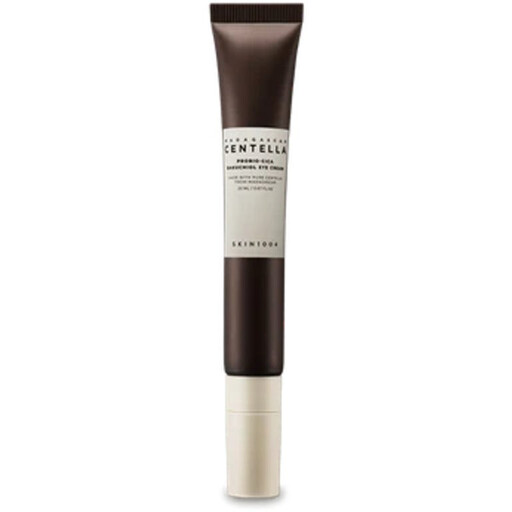
Why this product fits the profile: The 20 ml tube combines bakuchiol with fermented Centella Asiatica extract and a probiotic Cica complex. The light, non-sticky texture is designed for a straightforward morning and evening routine.
The product description names the key ingredients and the intended use. This makes it easier to match the choice with your own routine and skin tolerance.
Bakuchiol, Centella Asiatica, panthenol, glycerin and hyaluronic acid are included in the stated formulation.
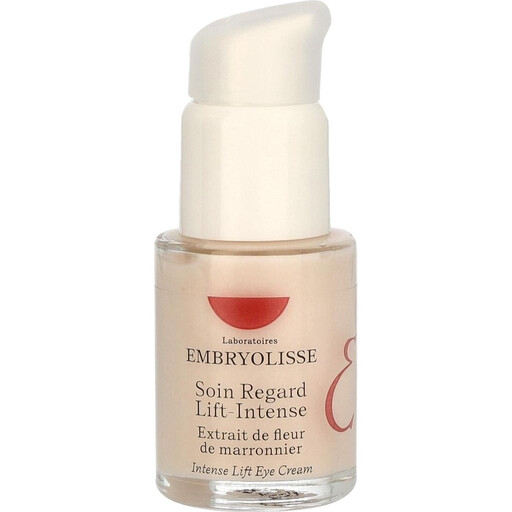
Why this product fits the profile: According to the product information, the formulation is fragrance-free and has been dermatologically and ophthalmologically tested. Hyaluronic acid, shea butter and evening primrose oil are aimed at richer daily care.
The "fragrance-free" label and the listed test details offer concrete guidance rather than just a general anti-ageing promise.
Fragrance-free texture, hyaluronic acid and a 15 ml fill size; according to the product description, intended for daily use morning and evening.
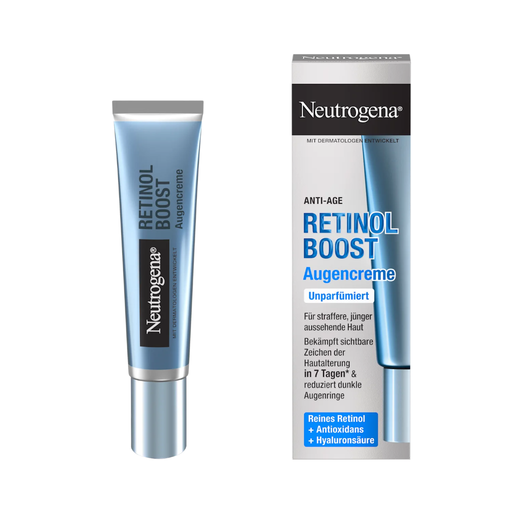
Why this product fits the profile: According to the ingredient list, the product contains retinol, hyaluronic acid and myrtle leaf extract. The stated gradual introduction is aimed at those who do not yet use retinol regularly.
The product information mentions both the retinol introduction and the advice to avoid direct contact with the eyes. This makes controlled application easier.
Fragrance-free claim, 15 ml content and a formulation with retinol and sodium hyaluronate.
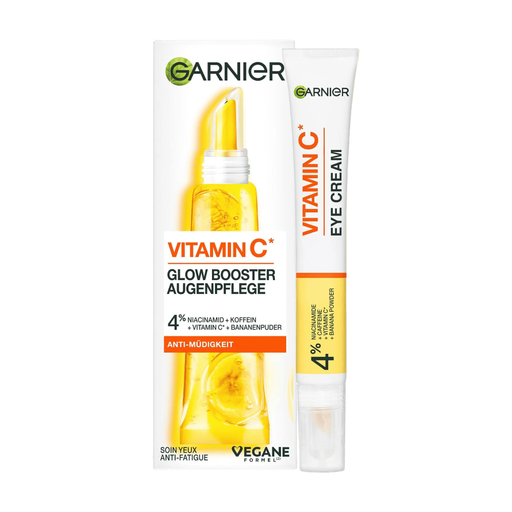
Why this product fits the profile: According to the manufacturer, this eye cream combines niacinamide, caffeine, a vitamin C derivative and banana extract. It is designed to promote a more awake and even-looking appearance.
The advertised ingredients are specifically named in the product description. This allows shoppers to check whether the profile is more suited to dark circles, tiredness or dryness.
15 ml content, caffeine, niacinamide and ascorbyl glucoside in the stated formula.
We have put together a complete, regularly updated list of products that fully meet these strict selection criteria and the safety regulations in force in the EU.
Apply a small amount to the cleansed eye area and gently pat the product in. Avoid direct contact with the eye. With ingredients like retinol or retinal, a gradual increase is advisable. When using these, be sure to apply sunscreen during the day. People with very sensitive skin, existing skin conditions or particular health circumstances should follow the product information and, if necessary, seek medical advice.
A formula with glycerin, hyaluronic acid, panthenol, squalane, shea butter or ceramides can be of interest for dry skin. A pleasant texture and the absence of ingredients that individually cause irritation are also crucial. A richer cream is not automatically more suitable; it should spread well in daily use and not migrate into the eye area.
This depends on the product. Hydrating formulations are often used morning and evening. With retinol or retinal products, you should first follow the manufacturer's instructions and start with a few applications. If redness, stinging or itching occurs, pause or stop using the product.
The jar symbol, the shelf-life indication and the printed best-before date are what matter. Store the cream in a cool, dry place away from direct sunlight. If the smell, colour or consistency changes, the product should no longer be used.