
Lieferung heute & morgen

Qualitätsgarantie

Willkommens-Angebote freischalten: KOSTENLOSE Lieferung | Bis zu 80 % RABATT | Kostenlose 30-Tage-JoyPlus-Testphase
App herunterladen
Fine lines, dry skin, crow’s feet, dark circles or puffiness can have various causes. An eye cream for wrinkles should therefore not be chosen solely by brand name, packaging or advertising promises. What really matters is the formulation, how well it suits your skin, and how you plan to use it.
Retinol, retinal and bakuchiol are often promoted as the key anti-ageing ingredients. However, their suitability depends on your personal skin sensitivity and the rest of your skincare routine. A retinol eye cream or retinal eye cream should be introduced gradually. If you experience redness, stinging or persistent irritation, stop using it for a while.
An eye cream for dark circles can make the surface of dry or tired-looking skin appear more cared for. However, dark shadows can also be caused by natural pigmentation, visible blood vessels or your individual facial structure. For morning puffiness, lightweight textures and a sparing application are often more practical than a very rich cream.
Even an eye care product marketed as gentle can contain fragrances, essential oils or potentially sensitising ingredients. If you have sensitive eyes or skin that tends to react, you should pay particular attention to perfume, alcohol and any fragrance components that must be declared. The ingredients list on the product packaging is what counts, because formulations can change.
A lightweight gel-cream often works well in the morning and under make-up. Richer textures can feel more comfortable on dry skin, but if applied generously they tend to slide around or leave a heavy feeling. A very small amount is usually enough for both eyes. Gently tap the cream along the eye area with your ring finger, without getting it too close to the mucous membrane.
Look out for:
Cosmetic eye care is for external use only and does not replace medical advice. If you experience severe swelling, pain or sudden changes, it is sensible to consult a doctor.
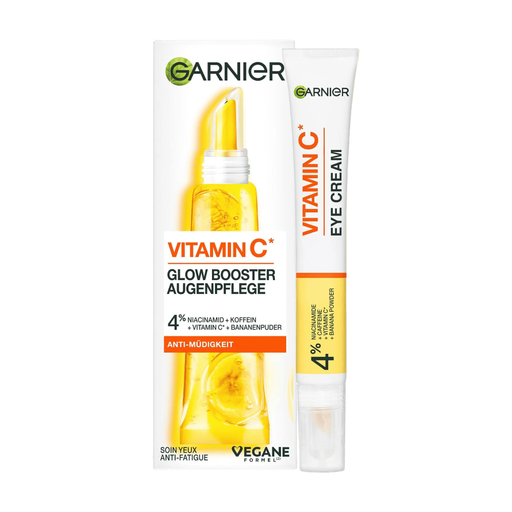
Why this product fits the profile: The formulation combines niacinamide, caffeine, a vitamin C derivative and hydrating ingredients for daily care of a tired-looking eye area.
The ingredients are clearly stated. If you want to avoid a retinol eye cream for now, here is a formulation without declared retinol.
4% complex according to the product description, 15 ml content and a light focus on dark shadows and fine lines.
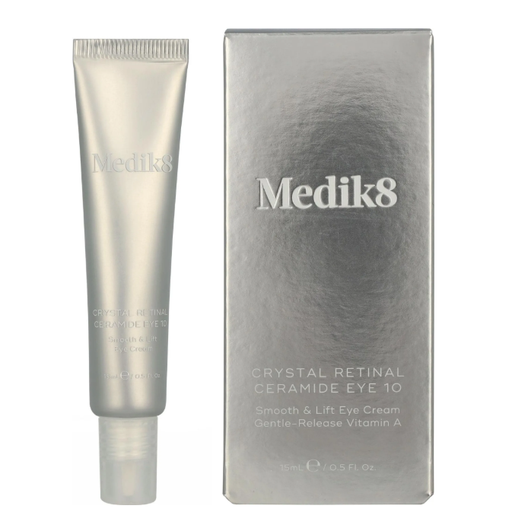
Why this product fits the profile: This night care combines encapsulated retinal with ceramide NP, hyaluronic acid, squalane and shea butter.
The product description recommends gradual introduction and exclusive evening use. This makes it easier to assess tolerance in a controlled way.
15 ml night care with retinal, ceramide NP, sodium hyaluronate and squalane.
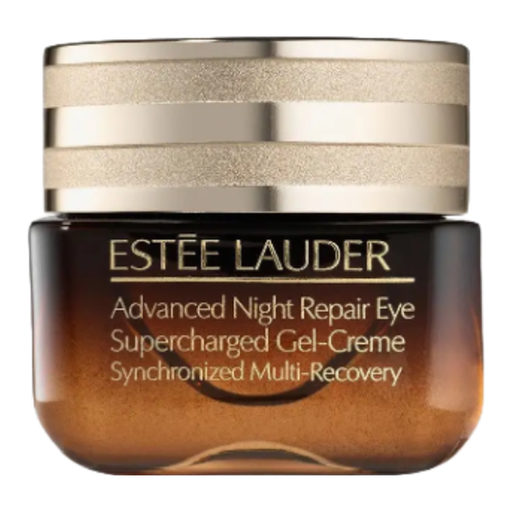
Why this product fits the profile: According to the product description, this gel-cream is intended for both morning and evening use and contains hyaluronic acid, squalane and tripeptides.
The lightweight texture is described as suitable for applying under make-up. This helps avoid a heavy, pilling formula in daily use.
Gel-cream texture, 15 ml content and hydrating ingredients such as glycerin and sodium hyaluronate.
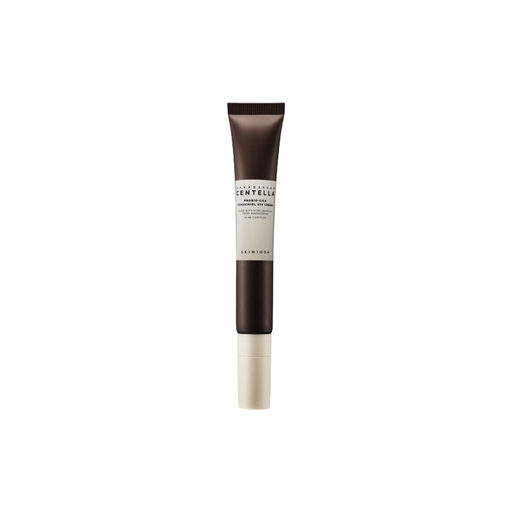
Why this product fits the profile: The compact 20 ml formulation contains bakuchiol, centella asiatica extract, panthenol, glycerin and sodium hyaluronate.
If you want to use vitamin A ingredients cautiously, you can consider the bakuchiol option. Even so, you should test a small area of skin first.
Free from artificial fragrances according to the product description, lightweight gel texture and 20 ml content.
We have put together a complete, regularly updated list of products that fully meet these strict selection criteria and the safety regulations in force in the EU.
A new eye care product should first be used sparingly and not at the same time as several other strong active-ingredient products. With a retinol or retinal eye cream, it is advisable to apply it in the evening at longer intervals. During the day, a suitable sunscreen should be part of your routine. Products containing fragrance should be checked with particular care if you have sensitive eyes.
For beginners, a hydrating eye cream without retinol or retinal may be easier to integrate into a routine. If you specifically want to use a vitamin A ingredient, start with a low frequency and a small amount.
The period-after-opening symbol and the information on the packaging are what matter. Clean hands, a well-sealed jar or pump dispenser, and cool, dry storage help maintain product quality within that period.
That depends on your skincare goal. For lines caused by dryness, hydration can support the skin’s feel and appearance. For pronounced dark circles or deeper lines, the possibilities of cosmetic care are limited. That is why you should consider the formulation, tolerance and realistic expectations together.