
Lieferung heute & morgen

Qualitätsgarantie

Willkommens-Angebote freischalten: KOSTENLOSE Lieferung | Bis zu 80 % RABATT | Kostenlose 30-Tage-JoyPlus-Testphase
App herunterladen
Fine lines under the eyes often develop as a result of dry skin, natural ageing, facial expressions and external factors. An eye cream for wrinkles can hydrate the skin and temporarily improve the appearance of fine lines, making them look smoother. However, it does not replace sun protection and cannot reliably alter genetically determined dark circles or pronounced puffiness.
When shopping, three common marketing pitfalls often lead to poor decisions:
Hyaluronic acid binds water to the skin’s surface and helps create a plumped, supple feel. A hyaluronic acid eye cream is particularly suitable for dryness and tightness. Multiple molecular forms, such as those used in some serums, are an objectively verifiable part of the INCI list – not a standalone guarantee of a specific anti-wrinkle effect.
Bakuchiol is often positioned as a plant-based alternative to retinol. If you are looking for a gentler anti-ageing eye cream, you can look for bakuchiol, centella asiatica extracts and soothing humectants. Individual tolerance is still not guaranteed, however.
Retinol, retinal or retinyl retinoate are vitamin A derivatives. They are usually introduced slowly into your skincare routine and are best applied in the evening. During the day, appropriate sun protection is important. For sensitive skin, use should initially be limited to, for example, two evenings per week. During pregnancy and breastfeeding, the use of vitamin A cosmetics should be discussed with a medical professional.
Niacinamide, caffeine and peptides can offer complementary properties depending on the formulation. Caffeine is often used in products designed to give the eye area a more awake look; peptides and niacinamide are common ingredients in serums and creams. Claims about efficacy should always be checked against the specific product labelling.
For the delicate eye area, fragrance-free formulations are often a practical choice. If you have dry or reactive skin, you should also look for glycerin, panthenol, ceramides, squalane or hyaluronic acid. Fragrance ingredients such as limonene, geraniol or linalool may be relevant for sensitive individuals.
The ingredients list can change. Therefore, the INCI list on the packaging is the definitive reference. Products should not be applied directly into the eye. If you experience burning, redness, itching or swelling, discontinue use. Contact lens wearers should also follow the manufacturer’s specific instructions.
An eye cream is normally applied in a small amount to the area under the eye and along the brow bone. Vigorous rubbing can mechanically stress the skin; gentle tapping with the ring finger is usually sufficient.
A serum is lighter and works well under a day cream. A cream generally offers more comfort for dry skin. If you use both an eye serum and a cream, apply the lighter product first, followed by a thin layer of cream.
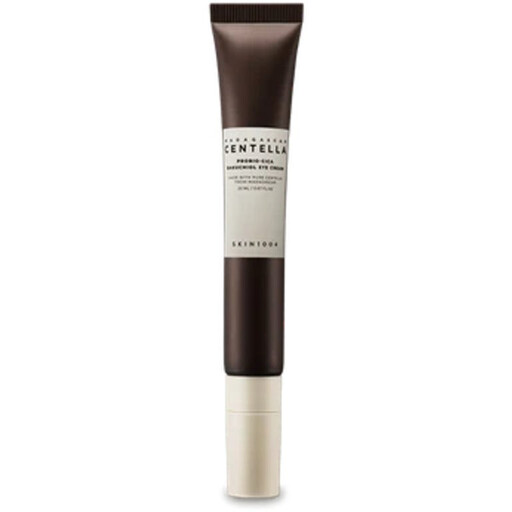
Why this product fits the profile: This 20 ml cream combines bakuchiol with fermented centella asiatica and is formulated without synthetic fragrances, according to the product details. Its light texture makes it suitable for a straightforward morning and evening routine.
The product description lists specific ingredients and a clear method of use, rather than relying solely on general anti-ageing claims.
Bakuchiol, centella asiatica extract and 20 ml content; described as having a light, non-sticky texture.
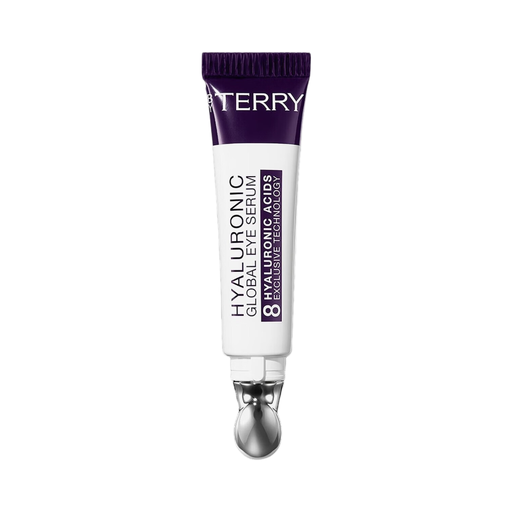
Why this product fits the profile: This eye serum contains eight variants of hyaluronic acid, niacinamide, caffeine and phytosqualane, according to the product details. The refillable packaging may be of interest to shoppers who are mindful of material usage.
The formulation names several humectant components as well as the product volume of 15 ml, making it easy to evaluate the choice against the INCI list.
Eight named forms of hyaluronic acid, niacinamide and caffeine; described as a vegan formula with refillable packaging.
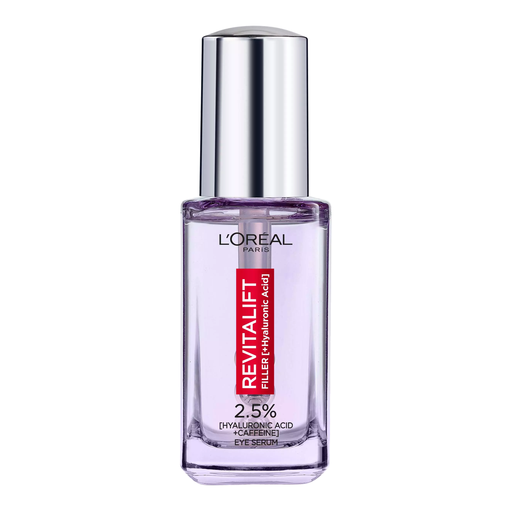
Why this product fits the profile: This serum is designed for daily use and contains 2.5 % hyaluronic acid, niacinamide, vitamin C and caffeine, according to the product details. The applicator with three metal balls is intended for a cooling massage motion.
The stated active ingredient concentration, the fragrance-free formulation and the application format make direct product comparison easier.
20 ml content, 2.5 % stated hyaluronic acid and an applicator with three metal balls; described as fragrance-free.
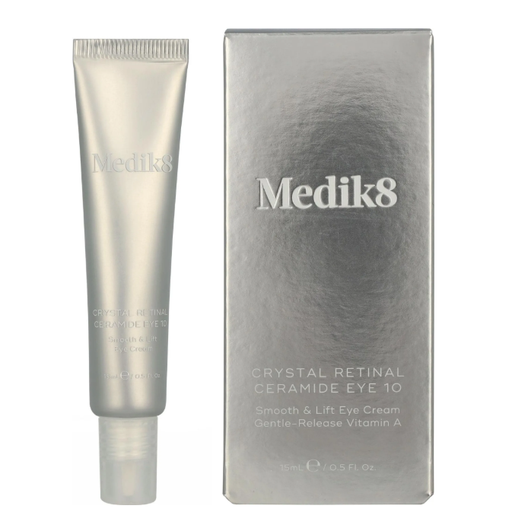
Why this product fits the profile: This night treatment contains encapsulated retinaldehyde, ceramides, shea butter, hyaluronic acid and squalane, according to the product details. It is aimed at those who prefer a gradual retinoid routine.
The usage instructions recommend a gradual increase: start with twice a week, then every other evening, and only later more frequently if your skin tolerates it.
Retinaldehyde, ceramides, hyaluronic acid and squalane; designed for evening use according to the product details.
We have put together a complete, regularly updated list of products that fully meet these strict selection criteria and the safety regulations in force in the EU.
Apply a small amount to clean skin and avoid direct contact with the eye. When introducing new active ingredients, only add one new product at a time. This makes it easier to identify if a reaction occurs. Once opened, cosmetics should be used within the period indicated by the symbol on the packaging, for example “6M” or “12M”. The best-before date and batch number can be found on the packaging.
A fragrance-free eye care product with humectants such as glycerin, panthenol or hyaluronic acid can be a practical starting point. Retinoids and fragrances should be introduced or tested with particular caution on sensitive skin. A patch test does not replace individual dermatological advice.
That depends on the cause. Lack of sleep, fluid retention, pigmentation and genetic factors can all appear differently. Caffeine and cooling applicators are often used for a short-term fresher look. A permanent change to dark circles or puffiness is not guaranteed by cosmetics.
With twice-daily application, a 15 to 20 ml pack often lasts several weeks to months, depending on how much you use. The key is to use only a small amount per eye. Storage instructions, the shelf life after opening and the specific manufacturer’s packaging details should always be your primary reference.