
Lieferung heute & morgen

Qualitätsgarantie

Willkommens-Angebote freischalten: KOSTENLOSE Lieferung | Bis zu 80 % RABATT | Kostenlose 30-Tage-JoyPlus-Testphase
App herunterladen
The eye area can present a tricky choice for many shoppers: an eye cream is expected to moisturise dry-looking skin, make dark circles less noticeable or reduce puffiness – all without irritating this delicate zone. Product claims range from “96 hours of hydration” to retinal and vitamin C formulas. What really matters, though, isn’t the flashiest marketing line, but the formulation, texture and how you plan to use it.
A hydrating eye cream can temporarily make skin look smoother because it locks in moisture and softens dry patches. That doesn’t automatically mean wrinkles, dark circles or puffiness will disappear permanently. Terms like “anti-ageing” often describe how a product is positioned, so you should judge them by the active ingredients they contain.
Retinol, retinal, vitamin C, caffeine or peptides can support different skincare goals. However, a retinal eye cream or retinol eye cream requires careful acclimatisation, especially if you have sensitive skin. A high percentage on its own tells you little about the product’s tolerance, formulation or stability.
Even an eye cream marketed as universal can contain fragrances, essential oils, alcohol or potentially irritating preservatives. If you have dry or sensitive skin, you should check the full ingredients list on the packaging. If you know you have sensitivities, it’s wise to do a patch test on a small area of skin – well away from your eye.
A cooling eye gel or a lightweight gel-cream often works well for morning use and can feel comfortable under make-up. Richer textures are better suited to dry skin or your evening routine. For noticeable dryness, ingredients like glycerin, hyaluronic acid, panthenol, squalane or skin-like lipids are worth looking for.
A hyaluronic acid eye cream helps hydrate the upper layers of the skin. The effect depends on the whole formulation, not just a single ingredient. To support the skin barrier, ceramides, cholesterol or plant oils can also be relevant.
For products with active ingredients, the expiry date, batch number and period-after-opening symbol are important details. Choose products with clear labelling and always close the jar or tube after each use. Eye cream is usually applied in a small amount using your ring finger, gently patting it on. Avoid direct contact with the eye.
If you’re using retinol or retinal, evening application makes sense, provided the product instructions say so. During the day, a suitable sunscreen should be part of your facial skincare routine. During pregnancy or breastfeeding, products with vitamin A derivatives should only be used after consulting a medical professional.
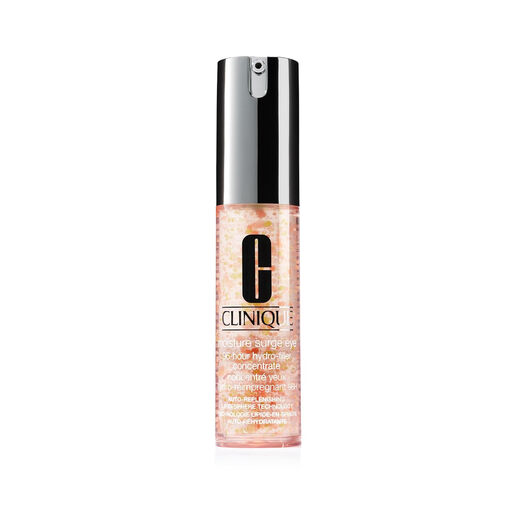
Why this product fits the profile: This lightweight water-gel is aimed at those who primarily want hydration and a straightforward daily routine.
The product details mention a light gel texture and multiple humectants. This helps you focus your choice on your skincare goal rather than vague anti-ageing claims.
Glycerin, sodium hyaluronate, niacinamide and aloe-derived ingredients; 15 ml content; gel-like consistency.
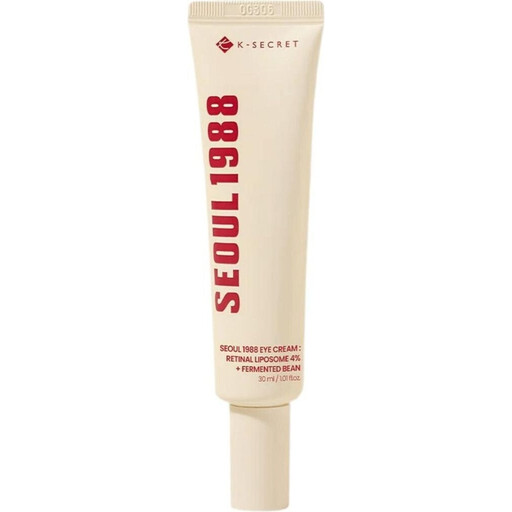
Why this product fits the profile: Suitable for shoppers who prefer an ingredient-focused Korean eye care product with retinal, bakuchiol and fermented components.
The product description transparently lists the relevant active ingredients and usage instructions. Still, retinal should be introduced slowly and the current packaging declaration should be checked.
Retinal, niacinamide, bakuchiol and sodium hyaluronate; according to product claims, free from alcohol, silicones, sulphates, synthetic fragrances and parabens.
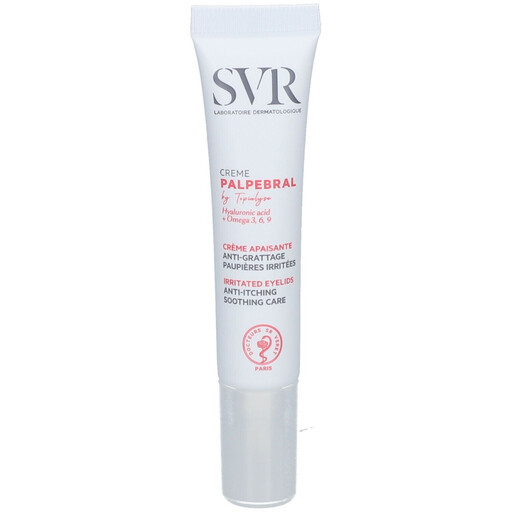
Why this product fits the profile: This rich cream is designed for eyelid care and may appeal to those who prefer a protective texture.
The product description clearly states the area of use, texture and key ingredients. This makes it easier to distinguish from light gels for the under-eye area.
Rich cream; omega-3, omega-6 and omega-9 fatty acids according to product claims; sodium hyaluronate; 15 ml tube.
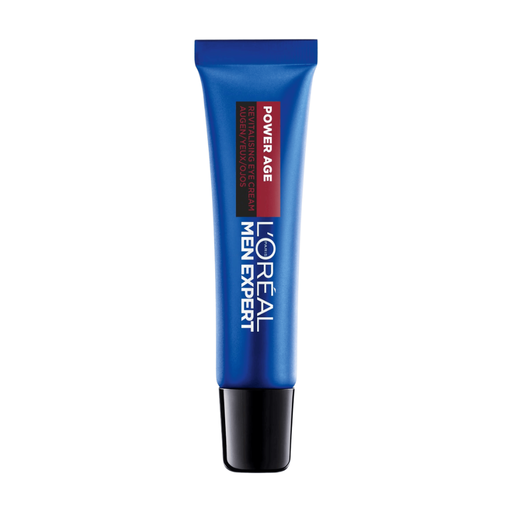
Why this product fits the profile: The formulation is specifically positioned as an eye care product for men and can be easily incorporated into a short daily routine.
The INCI list is available to check before purchase and shows, among other things, glycerin, niacinamide, caffeine and sodium hyaluronate. Those with sensitive skin should pay particular attention to alcohol denat.
15 ml content; caffeine, niacinamide and hyaluronic acid according to the ingredients list; intended for daily eye care.
We’ve put together a full, regularly updated list of products that fully meet these strict selection criteria and the safety regulations in force in the EU.
Use a small amount and pat it on along the bony eye area with your ring finger. Don’t rub or pull the skin. Always follow the product instructions, especially with retinol or retinal products.
The period-after-opening symbol, expiry date and manufacturer’s instructions are what matter. If the smell, colour or consistency changes, stop using the product. Keeping the container tightly closed and storing it in a cool, dry place helps maintain its intended shelf life.
An eye cream for sensitive skin should be formulated as simply as possible and free from unnecessary fragrances. Still, check the full INCI list and test the product carefully first. If you experience persistent redness, stinging or swelling, stop using it and seek medical advice if necessary.