
Lieferung heute & morgen

Qualitätsgarantie

Willkommens-Angebote freischalten: KOSTENLOSE Lieferung | Bis zu 80 % RABATT | Kostenlose 30-Tage-JoyPlus-Testphase
App herunterladen
The eye area often needs more targeted care than the rest of your face. The skin here is comparatively thin, reacts more quickly to friction, and can look tired due to dry indoor air, lack of sleep or daily facial expressions. A suitable eye cream can hydrate the skin and fit seamlessly into your existing eye care routine.
However, when buying, some typical marketing claims can lead to poor decisions. Three points deserve particular attention:
For dry skin, humectants such as glycerin, hyaluronic acid or panthenol are of interest. They help bind water in the uppermost layer of the skin. Squalane, plant oils and certain silicones can additionally create a smoother skin feel.
If you are looking for an eye cream for wrinkles or an anti-ageing eye cream, you will often find peptides, niacinamide, adenosine or vitamin A derivatives in the formulations. With retinal and retinol, a cautious start is advisable. A retinal eye cream should initially be used sparingly and according to the manufacturer’s instructions. During the day, sun protection should be part of your routine. If you are pregnant or breastfeeding, the use of vitamin A derivatives should be discussed with a doctor beforehand.
A bakuchiol eye cream may be of interest to those who prefer a formulation with bakuchiol. However, the term “plant-based alternative” is not proof of identical efficacy or automatically better tolerability.
For an eye cream for sensitive skin, short, clearly understandable INCI lists are often easier to assess. “Fragrance-free” can be a selection criterion, but it does not replace checking the full ingredient list.
Examples of possible fragrance ingredients in the product data provided include parfum, limonene, geraniol, bergamot or lavender oil. If you are prone to irritation, first test a small amount on an inconspicuous area. The product must not get into the eye. If burning, redness or itching occurs, stop using it.
A light gel-cream can be pleasant under make-up in the morning. Rich balm or cream formulations are more suitable for dry skin or your evening routine, but can feel heavy if applied too generously. 15 ml is a standard pack size for eye care; 20 to 30 ml can be interesting if the product can also be used on the face according to the description.
For application, a small amount per eye is usually sufficient. Gently tap the cream onto the eye area with your ring finger, without pulling the skin. An eye cream for puffiness does not replace a medical check-up for sudden or persistent symptoms.
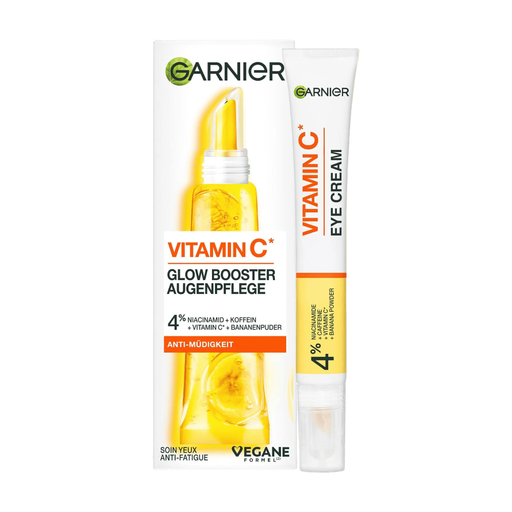
Why this product fits the profile: According to the product description, this 15 ml eye cream combines niacinamide, caffeine, vitamin C and glycerin, and is intended for straightforward daily care.
The listed ingredients are clearly stated. Nevertheless, the formulation contains several functional components, so sensitive skin should test tolerability first.
15 ml content; glycerin, caffeine, niacinamide and ascorbyl glucoside are listed in the ingredients.
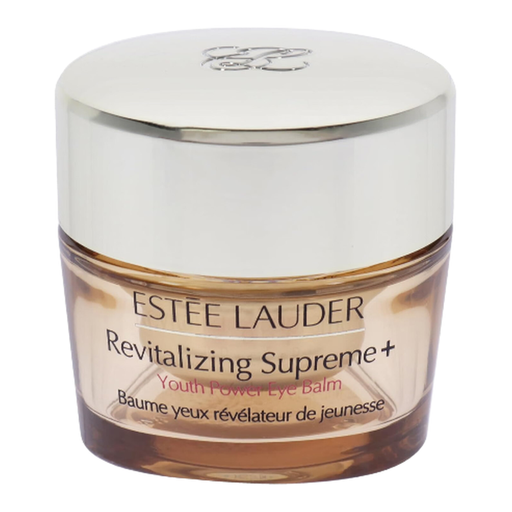
Why this product fits the profile: According to the manufacturer, this rich balm can be used morning and evening, and also as a short-term intensive mask.
The application is not limited to a single care goal. For oily skin or under make-up, the rich texture should be used sparingly.
15 ml content; according to product data with sodium hyaluronate, squalane, caffeine and acetyl hexapeptide-8.
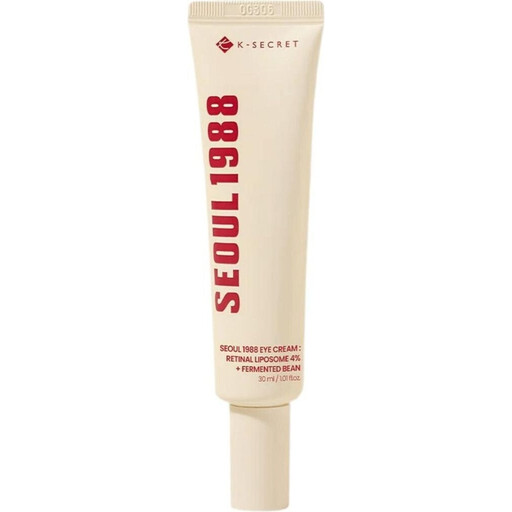
Why this product fits the profile: This Korean eye cream is aimed at users who are specifically looking for a formulation with retinal, bakuchiol, niacinamide and fermented ingredients.
The product data explicitly mentions retinal. This makes the formulation easier to assess than products with a vague “anti-ageing complex”. Use should be increased gradually.
30 ml content; according to the product description with retinal, bakuchiol, niacinamide, adenosine and sodium hyaluronate.
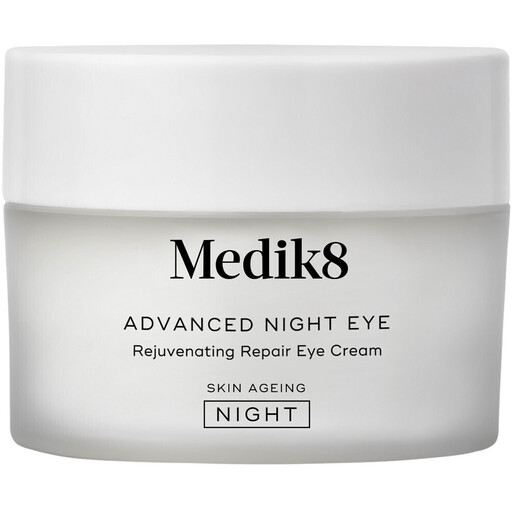
Why this product fits the profile: According to the product description, this night care is fragrance-free and alcohol-free, and contains caffeine and hyaluronic acid.
The absence of fragrance and alcohol in the stated product description can make selection easier for sensitive skin. Individual tolerance testing is still advisable.
15 ml content; according to product data with caffeine, hyaluronic acid and plant extracts, plus vegan labelling.
We have compiled a complete, regularly updated list of products that fully meet these strict selection criteria and the safety regulations in force in the EU.
Apply an eye cream after cleansing and, if applicable, after a serum. For a new formulation, we recommend the following approach:
A hydrating eye cream with glycerin, hyaluronic acid, panthenol or squalane can suit dry skin. For very dry areas, richer textures are often more comfortable than light gels. Fragrances should be critically assessed if you have sensitive skin.
That depends on the cause. Caffeine is often used in products for tired-looking eyes. An eye cream can care for the skin’s surface and temporarily provide a fresher skin feel. However, it is not a substitute for medical investigation of persistent, one-sided or sudden puffiness.
The symbol for shelf life after opening, the best-before date and the information on the packaging are decisive. If the smell, colour or consistency changes, the product should no longer be used. Retinal and retinol products additionally benefit from being stored in a cool, light-protected place.