
Lieferung heute & morgen

Qualitätsgarantie

Willkommens-Angebote freischalten: KOSTENLOSE Lieferung | Bis zu 80 % RABATT | Kostenlose 30-Tage-JoyPlus-Testphase
App herunterladen
The skin around your eyes is often more sensitive than other areas of your face. Dry air from central heating, long hours in front of screens, lack of sleep or a product with an unsuitable texture can leave the skin looking tired, dry or unsettled. At the same time, many products promise quick, visible results for dark circles, puffiness and fine lines.
So a sensible choice starts with your own skincare goal, not the boldest marketing claim. Whether you choose eye cream, eye serum, eye mask or a food supplement, the key factors are ingredients, how to use the product, how well your skin tolerates it and having realistic expectations.
Vitamin C, caffeine, hyaluronic acid, niacinamide and retinol can each play different roles in a formula. However, a vitamin C product is not automatically suitable for every type of dark circle. Dark shadows can be caused by pigmentation, visible blood vessels, the way light falls on the area or your individual anatomy, for example.
A retinol eye cream should not be treated as a one-size-fits-all solution either. Retinol can irritate sensitive skin and needs to be introduced gradually. If you are pregnant or breastfeeding, speak to a medical professional before using products containing retinoids.
Cooling metal applicators, eye masks and tinted products can temporarily make the eye area look fresher. That is not the same as a lasting change to the skin’s texture. An eye mask is best used as an occasional extra step, while cream or serum can be incorporated into your regular routine.
Cosmetic claims such as “firming”, “brightening” or “for dark circles” are product-specific marketing claims. Results will vary from person to person.
Fragrance, essential oils, certain preservatives and active ingredients such as retinol can be problematic for sensitive skin. Before using a product for the first time, it’s a good idea to do a patch test on a small area of skin. Keep the product out of your eyes. Stop using it if you experience stinging, redness or persistent irritation.
A percentage is only meaningful when considered in the context of the full formula. For example, Medik8 C-Tetra Eye lists 14% stabilised vitamin C. Retinol products such as Heimish RX Retinol Bakuchiol Eye Cream list 0.01% retinol and 1% bakuchiol. These details are helpful for comparing products, but they don’t replace checking the full ingredients list on the packaging.
A lightweight serum may feel more comfortable under make-up in the morning, while a richer cream may suit your evening routine. Sticks and roll-ons are handy if you often reapply on the go. It’s still important to use only a small amount: a little is usually enough for both eyes. Gently pat it along the bony area around your eyes.
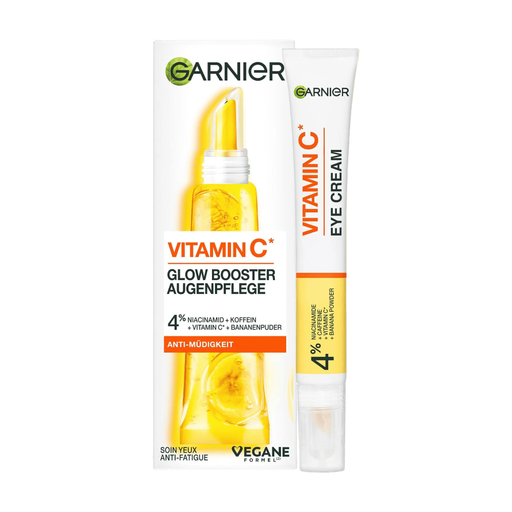
Why it suits this profile: According to the product information, this cream combines niacinamide, caffeine, vitamin C and banana powder in a 15 ml tube. It’s designed for an easy daily routine.
The ingredients are listed by name, rather than relying on a vague “glow” promise.
A compact size, a named blend of active ingredients and a cream texture suitable for morning or evening use.
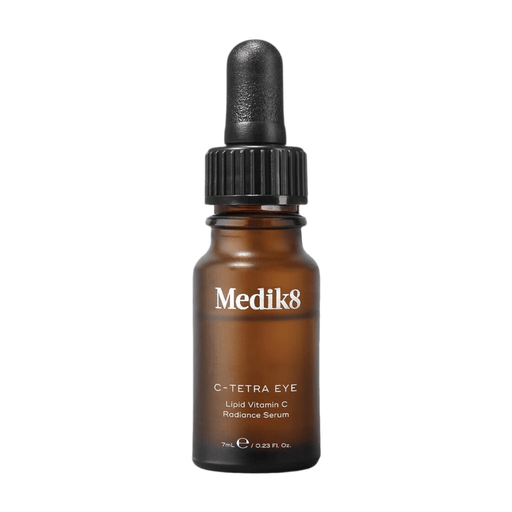
Why it suits this profile: According to the product description, this vegan eye serum contains 14% stabilised vitamin C. Its 7 ml size is designed for targeted application around the eyes.
The concentration and form of vitamin C are specified. The full INCI list on the packaging remains the definitive source.
A lightweight serum texture, a vegan product description and a clearly stated vitamin C content.
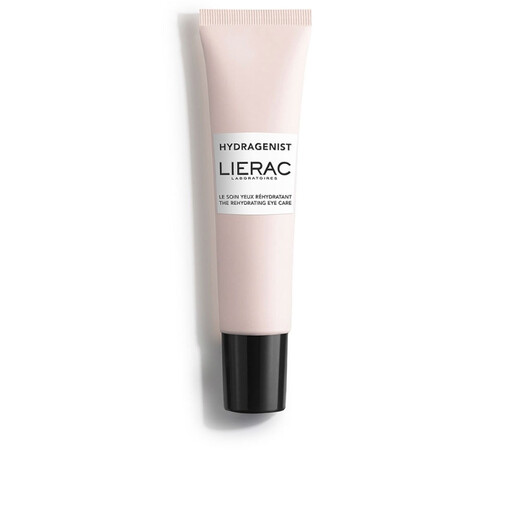
Why it suits this profile: The gel texture is designed for use in the morning and evening. According to the product information, it contains caffeine and sodium hyaluronate, among other ingredients.
The description clearly explains how to use it, its texture and skin compatibility, and recommends a patch test for sensitive skin.
A 15 ml size, lightweight gel texture and a focus on hydration for a simple skincare routine.
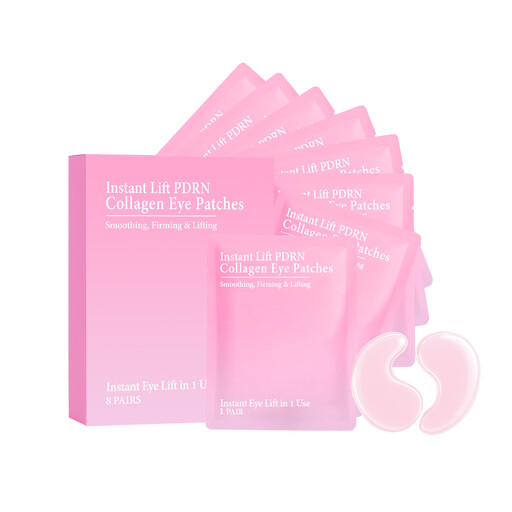
Why it suits this profile: The pack contains 8 pairs of individually wrapped eye masks. According to the product description, they should be left on for 5 to 15 minutes.
The limited application time and individual packaging make it easy to plan use, without suggesting a lasting effect.
Convenient single-use portions, with caffeine, niacinamide and hyaluronic acid listed in the product information.
We’ve put together a complete, regularly updated list of products that meet these strict selection criteria and fully comply with the safety regulations in force in the EU.
Apply eye care after cleansing, using a clean finger, and avoid the lash line. If you’re using retinol, start with just a few evenings a week. During the day, it’s a good idea to apply sun protection to the surrounding facial skin. Moisturising eye care can be used in the morning or evening, but shouldn’t automatically be combined with several other active serums.
Food supplements such as lutein or zeaxanthin capsules are not the same as cosmetics applied to the skin. They are no substitute for a balanced diet or an eye examination. Seek medical advice if you experience sudden changes to your vision, severe swelling or persistent symptoms.
A cream or serum containing glycerin, hyaluronic acid, sodium hyaluronate or nourishing lipids may suit skin that feels dry. Look for a formula designed to minimise irritation, and use it sparingly. If you have sensitive skin, test new products on a small area first.
Check the open-jar symbol on the packaging, which may show “6M” or “12M”. You should also keep an eye on the product’s smell, colour and consistency. If it changes noticeably or causes irritation, stop using it. The exact shelf life may vary by product and batch.
Cosmetics can temporarily change the appearance of the eye area, or make a visible difference with regular use. However, the causes of dark circles vary and may include genetic factors, pigmentation or shadows. An eye cream or serum cannot guarantee their complete removal.