
Lieferung heute & morgen

Qualitätsgarantie

Willkommens-Angebote freischalten: KOSTENLOSE Lieferung | Bis zu 80 % RABATT | Kostenlose 30-Tage-JoyPlus-Testphase
App herunterladen
The eye area often reacts more quickly to dry heating air, long screen hours, lack of sleep or unsuitable skincare than other parts of the face. A suitable eye cream can hydrate the skin and help it look smoother or more refreshed. However, it does not replace sun protection or dermatological treatment.
When buying, three common pitfalls lead to poor decisions:
A hydrating eye cream often contains glycerin, hyaluronic acid or sodium hyaluronate. These ingredients help bind moisture to the skin's surface. For dehydration lines, such a base is often more sensible than the longest possible ingredient list.
If you are looking for an eye cream for wrinkles, you will find products with retinol, retinal, peptides, niacinamide or adenosine. Retinal and retinol are vitamin A derivatives and should be introduced slowly into your routine. A retinol eye cream or retinal formula is best used in the evening. During the day, suitable sun protection should be part of your routine.
Bakuchiol is often used as a plant-based active ingredient in a bakuchiol eye cream. Tolerance varies from person to person. Even with plant-based formulas, a cautious start is therefore recommended.
For an eye cream for dark circles or an eye cream for puffiness, the cause should be considered. Dark shadows can be genetic, caused by pigmentation, visible blood vessels or the anatomy of the eye socket. Puffiness can be linked to lack of sleep, allergies or fluid retention, among other things. A cream can temporarily improve the appearance, but it cannot eliminate every cause.
For sensitive or irritation-prone skin, the following points are particularly important:
An eye cream for sensitive skin should not be applied directly to the lash line or the inner corner of the eye. If you experience stinging, redness or itching, stop using it and observe your skin. If discomfort persists, seek medical advice.
For mornings and under concealer, light gel-creams or fast-absorbing emulsions are usually best. Richer textures are better suited to your evening routine or dry eyelids. The amount needed is small: a rice-grain-sized portion is often enough for both eyes.
A hygienic tube closure can be more practical for regular use than a wide-open jar. Also pay attention to the expiry date, batch number and the symbol for shelf life after opening.
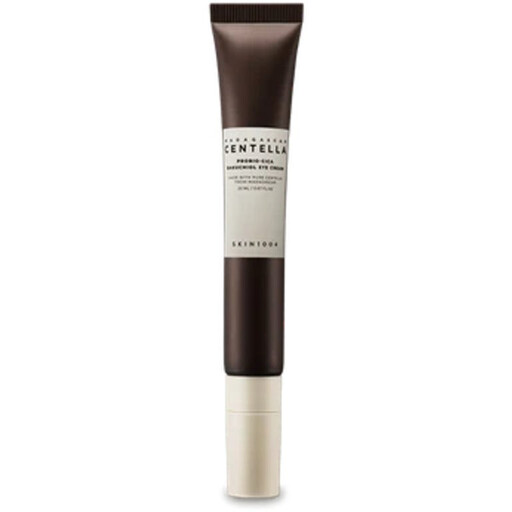
Why this product fits the profile: The formula combines bakuchiol, fermented Centella Asiatica and moisture-binding ingredients in a light texture. This suits those looking for a Korean eye cream for daily care.
The active ingredient selection is clearly stated. If you want to avoid vitamin A derivatives for now, you can try bakuchiol as an alternative active ingredient direction.
20 ml content, Centella Asiatica ingredients and a non-sticky, fast-absorbing consistency according to the product description.
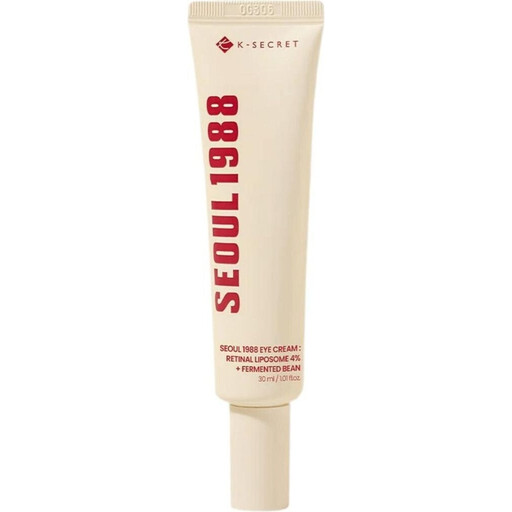
Why this product fits the profile: For buyers who specifically want a retinal eye cream with several complementary care ingredients such as niacinamide, bakuchiol, adenosine and sodium hyaluronate.
The product details state the retinal concentration and the full INCI list. This allows you to compare the formula more precisely with your own tolerance.
Retinal liposomes, fermented extracts and a light cream texture are among the stated product features.
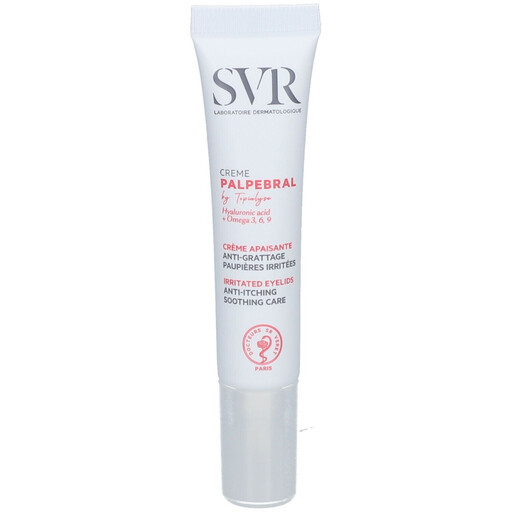
Why this product fits the profile: This rich cream is designed for the care of sensitive and dry eyelid skin and can be integrated into your daily routine for regular use.
The focus is on barrier care rather than a long list of intensive anti-ageing ingredients. This makes selection easier for sensitive eyelids.
Omega-3, Omega-6 and Omega-9 ingredients as well as hyaluronic acid are listed in the product description; the texture is described as rich.
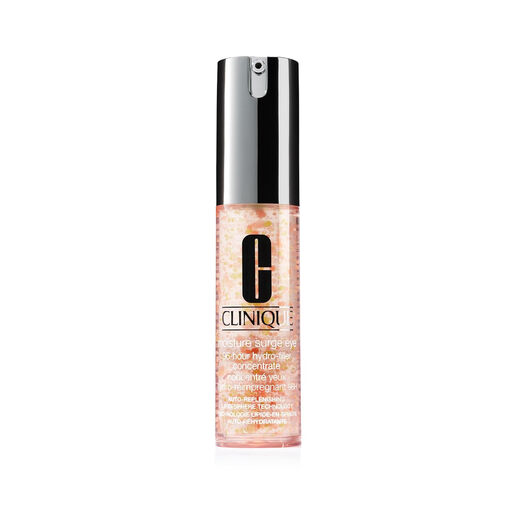
Why this product fits the profile: The light water-gel texture is ideal for those seeking hydration during the day who then want to apply concealer.
The gel-like consistency reduces the risk of a very rich cream feeling heavy under make-up. The ingredient list should still be checked before purchase.
Water-gel texture, glycerin, sodium hyaluronate, caffeine and niacinamide are listed in the product details.
We have compiled a complete, regularly updated list of products that fully meet these strict selection criteria and the safety regulations in force in the EU.
Hydrating formulas can be used morning and evening depending on your tolerance. For retinol or retinal, a slow start is recommended, for example on two to three evenings per week. The specific application depends on the product instructions.
The jar symbol on the packaging is decisive, for example "6M" or "9M". You should also check the smell, colour and consistency. If you notice visible changes or irritation, stop using the product.
This cannot be generally expected. A skincare product can hydrate the skin and temporarily make the appearance more even. If swelling appears suddenly, is severe or persistent, the cause should be investigated medically.