
Lieferung heute & morgen

Qualitätsgarantie

Willkommens-Angebote freischalten: KOSTENLOSE Lieferung | Bis zu 80 % RABATT | Kostenlose 30-Tage-JoyPlus-Testphase
App herunterladen
Dry skin, visible tiredness, fine lines or puffiness in the morning: the eye area often needs more targeted care than the rest of the face. A suitable eye cream can hydrate the skin and help it appear smoother. However, not every product with terms like “anti-ageing”, “glow” or “lifting” automatically leads to the right purchase decision.
Retinol, retinal, bakuchiol, vitamin C, caffeine and niacinamide are frequently promoted prominently. What really matters, however, is not just the name of the active ingredient, but also the overall formulation, the usage instructions and how well it suits your skin. A retinol eye cream or a product with retinal may be unsuitable for beginners if applied too often or too close to the eye.
If you are looking for an eye cream for sensitive skin, you should carefully check the INCI list. Fragrances such as limonene, geraniol, linalool or essential oils can be problematic for some individuals. A texture described as light or soothing does not necessarily mean the formula will be well tolerated by your skin.
An eye cream for dark circles can make dry skin appear smoother visually. However, dark areas may also be genetic, or visible due to shadows, pigmentation or vascular structures. When it comes to puffiness, sleep, fluid balance and individual factors also play a role. Cosmetic care should therefore never promise a medical effect.
Light gel or lotion textures are often suitable for the morning and under make-up. Richer creams can be more comfortable for dry skin, but should be used sparingly so they do not migrate into the eyes. A retinal or retinol product is usually applied in the evening. With vitamin A derivative products, a suitable sunscreen should be part of your daytime routine.
15 ml is standard for eye care, as only a small amount is needed per application. Also important are the expiry date, batch number and the period after opening (PAO). The ingredients list on the packaging is definitive, as formulations can be updated. If you have a known allergy tendency, it is advisable to first do a careful tolerance test on a small area of skin.
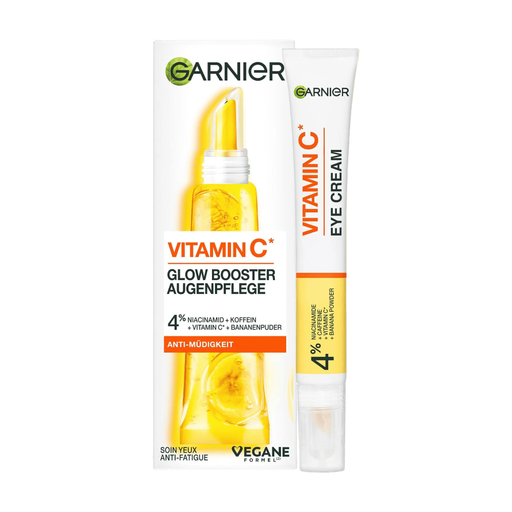
Why this product fits the profile: According to the product information, the formula combines niacinamide, caffeine, a vitamin C derivative and glycerin for straightforward daily care.
The relevant ingredients are traceable on the INCI list; nevertheless, individual tolerance should be checked.
15 ml, straightforward product description and several established skincare actives for a morning routine.
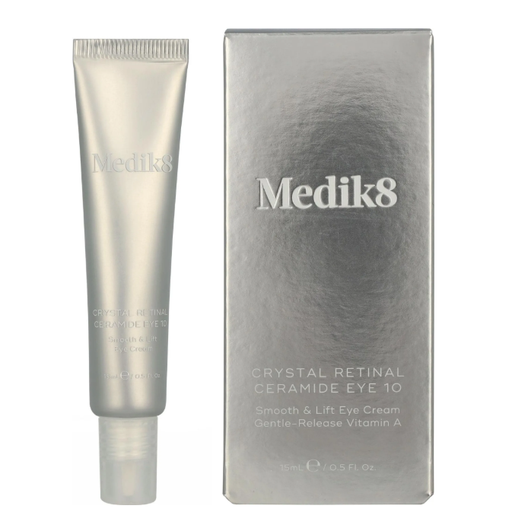
Why this product fits the profile: As an evening retinal eye cream, it contains encapsulated retinaldehyde, ceramides, hyaluronic acid and squalane according to the product information.
The application involves a gradual introduction period. This allows you to build up your routine more controllably than with an immediate daily start.
Night-time use, ceramides and a specific introduction routine for retinal beginners.
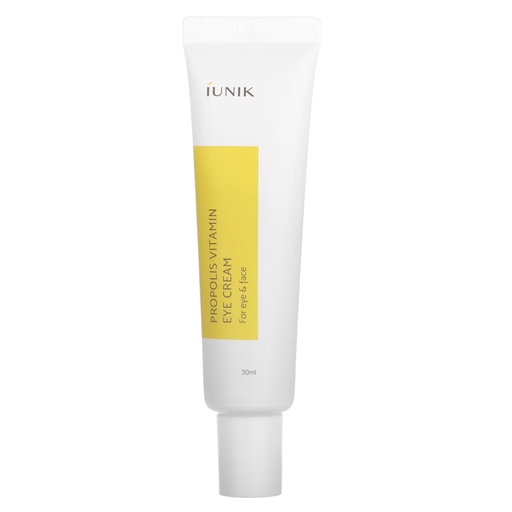
Why this product fits the profile: According to the product description, this light cream is intended for both eye and facial care and contains propolis, sea buckthorn, niacinamide and humectants.
The versatile use can be practical for people who do not want to buy separate products for face and eye care.
30 ml content and a fast-absorbing texture according to the product information; the INCI list also contains fragrance components.
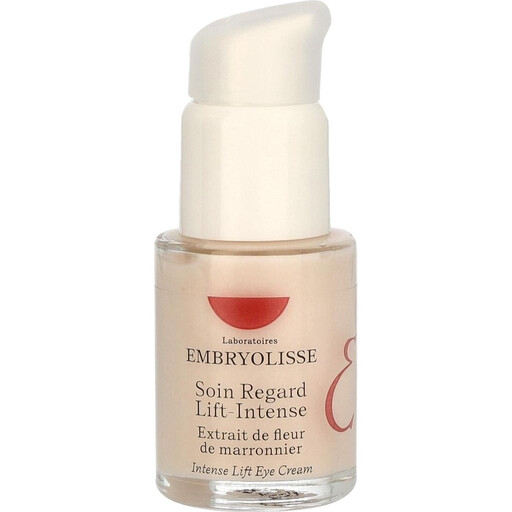
Why this product fits the profile: The product information mentions a fragrance-free, dermatologically and ophthalmologically tested formulation with hyaluronic acid, shea butter and evening primrose oil.
The absence of perfume is a verifiable selection point for those sensitive to fragrances. The current packaging information remains definitive, however.
Fragrance-free positioning according to the product description and a more nourishing cream base for dry skin.
We have compiled a complete, regularly updated list of products that fully meet these strict selection criteria and the safety regulations in force in the EU.
After cleansing, apply a small amount with your ring finger to the bony area around the eye. Gentle tapping is sufficient; avoid rubbing and direct contact with the eye. New active ingredients such as retinol, retinal or a bakuchiol eye cream should not be introduced at the same time as several other active products initially.
If redness, burning, itching or persistent irritation occurs, stop using the product. Products with retinal or retinol are best used in the evening; sunscreen during the day is advisable. The same basic rules for amount, hygiene and tolerance apply to a Korean eye cream or a vitamin C eye product.
The symbol for the period after opening (PAO), the printed best-before date and the manufacturer's instructions are definitive. The recommended usage period after opening is often between six and twelve months, but can vary depending on the product. If the smell, colour or consistency changes, the cream should no longer be used.
Look for a concise INCI list and check for fragrances, essential oils and potentially irritating ingredients. A fragrance-free formulation can be a useful pre-selection, but does not replace an individual tolerance test. If you have existing skin problems, the choice should be discussed with a medical professional.
An eye care product can hydrate dry skin and thereby make fine lines temporarily less noticeable. For puffiness, a light texture or a cooling applicator can feel pleasant. However, a lasting cosmetic or medical effect cannot generally be inferred from this.