
Lieferung heute & morgen

Qualitätsgarantie

Willkommens-Angebote freischalten: KOSTENLOSE Lieferung | Bis zu 80 % RABATT | Kostenlose 30-Tage-JoyPlus-Testphase
App herunterladen
Finding the right eye cream is trickier than many product promises would have you believe. Fine lines, dry skin, dark circles or puffiness can have different causes. A rich moisturiser can feel lovely on dry skin, while a light gel-cream works better under make-up. Active ingredients such as retinol, retinal, bakuchiol, caffeine or vitamin C are also not equally suitable for every skin type.
A retinal eye cream or retinol eye cream is often marketed as particularly intensive care. However, what really matters is the specific concentration, the formulation and how well it suits your skin. The delicate skin around the eyes can react to vitamin A derivatives with redness, dryness or a tight feeling.
With a product like the K-SECRET SEOUL1988 Eye Cream, the product description claims 4% retinal liposomes. You should check the actual composition and the labelling on the packaging before buying, as formulations can change.
An eye cream for dark circles can hydrate the skin and make the area appear smoother. However, dark shadows can also be genetic or caused by blood vessel structure, pigmentation and facial bone structure. Puffiness, on the other hand, is often linked to fluid retention, lack of sleep or individual factors.
Caffeine, cooling textures and light gels are therefore better suited to a morning routine for tired-looking eyes. But they are no substitute for medical advice on persistent concerns.
A hydrating eye cream marketed as universal can contain fragrances, alcohol or other ingredients that sensitive skin doesn’t tolerate well. If you’re prone to irritation, you should pay particular attention to a formulation that’s as simple as possible, the usage instructions and any known personal intolerances.
A gel-cream usually absorbs quickly and often works well under concealer. Richer creams can feel more comfortable on dry skin but may feel heavier under make-up. A hygienic pump dispenser or tube reduces direct contact with the product. With jars, you should always use clean hands.
The eye cream should only be applied to the skin around the eyes and must not get directly into the eye. It’s best to test new products on a small area of skin first. If you experience burning, redness, itching or swelling, stop using it. Products with retinal or retinol should only be used during pregnancy after consulting a medical professional.
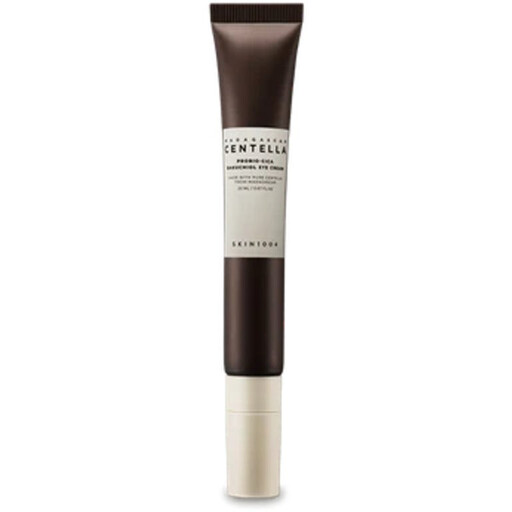
Why this product suits the profile: The light texture and combination of bakuchiol, Centella Asiatica, panthenol and hyaluronic acid make it ideal for beginners looking for straightforward daily care.
According to the product details, the formulation uses bakuchiol instead of retinol or retinal. This can simplify the choice for anyone who doesn’t want to use a vitamin A derivative straight away.
20 ml content, fragrance-free according to the product details, and a composition with Centella Asiatica, bakuchiol and sodium hyaluronate.
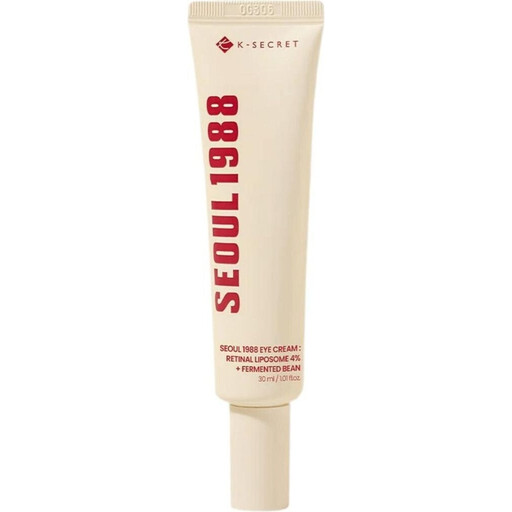
Why this product suits the profile: If you’re specifically looking for a Korean eye cream with retinal, niacinamide, bakuchiol and fermented ingredients, you’ll find a formulation designed for that purpose here.
The product description lists the active ingredients used and recommends evening application. This makes it easier to fit the product into a careful retinal routine.
Retinal in liposomes according to the product details, plus additional ingredients such as vitamin E, vitamin C and sodium hyaluronate.
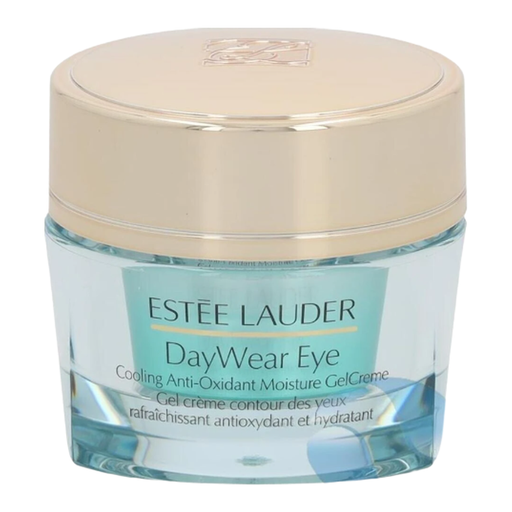
Why this product suits the profile: The gel-cream is designed for light application in the morning and evening, and can suit routines where hydration and a fresh skin feel are the priority.
The light gel-cream avoids a very heavy texture that can pill under concealer. According to the product details, it contains caffeine and sodium hyaluronate, among other ingredients.
15 ml content, gel-cream texture and, according to the product description, a formulation free from parabens, sulphates and paraffin.
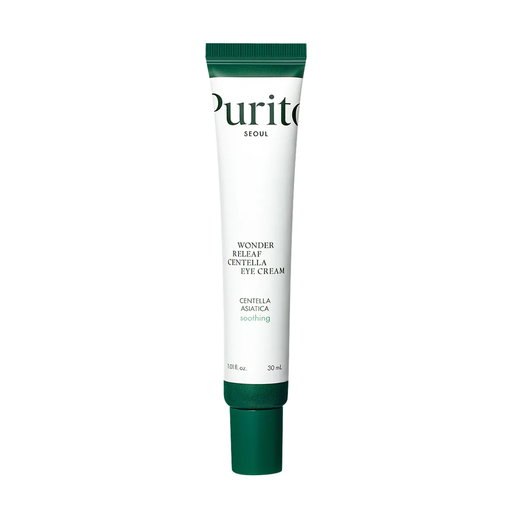
Why this product suits the profile: Centella Asiatica, panthenol, hyaluronic acid and ceramides appeal to users looking for soothing care without ethanol or artificial fragrances.
The product details state that it is free from ethanol, silicones, parabens and artificial fragrances. However, sensitive users should still check the full INCI list, as essential oils are listed.
30 ml content, Centella Asiatica extract and several peptides as well as ceramide NP according to the published product description.
We’ve put together a full, regularly updated list of products that fully meet these strict selection criteria and the safety regulations in force in the EU.
The shelf life depends on the best-before date, the batch number and the symbol for the period after opening. These details on the packaging are what you should follow.
A cream with glycerin, hyaluronic acid, panthenol, ceramides or nourishing lipids can suit dry skin. A richer texture is often more comfortable than a very light gel. What matters most is how well it suits you individually.
An eye cream for wrinkles can hydrate the skin and temporarily make dryness lines less noticeable. Products with retinol, retinal or bakuchiol are specifically used for caring for more mature-looking skin. However, a permanent change cannot be guaranteed across the board.
That depends on the specific formulation and packaging. The printed PAO symbol, for example “6M” or “12M”, is what you should follow. If the colour, smell or consistency changes, or if irritation occurs, you should stop using the product.