
Lieferung heute & morgen

Qualitätsgarantie

Willkommens-Angebote freischalten: KOSTENLOSE Lieferung | Bis zu 80 % RABATT | Kostenlose 30-Tage-JoyPlus-Testphase
App herunterladen
An eye cream is designed to moisturise the delicate skin around your eyes and leave it looking better cared for. But the choice can be overwhelming: terms such as ‘anti-ageing’, ‘glow’ and ‘lifting’ don’t tell you much about the actual formula. What matters is the ingredients, how well it suits your skin, its texture and the directions for use.
An eye cream for wrinkles may improve the appearance of fine lines by moisturising and smoothing the skin. However, this doesn’t automatically mean it will permanently change the structure of your skin. Claims such as ‘firming’ or ‘rejuvenating’ should always be considered alongside the INCI list and the manufacturer’s specific information.
Retinol and retinal are vitamin A derivatives that may need to be introduced gradually when using a retinal eye cream or retinol eye cream. Sensitive skin is at greater risk of dryness or irritation, particularly around the delicate eye area. If you already use other active products, avoid introducing several new ingredients at the same time.
Even an eye cream for sensitive skin may contain fragrance, essential oils or certain preservatives. For example, the product information for Purito SEOUL Wonder Releaf Centella Eye Cream lists bergamot and lavender oils, as well as limonene and linalool. If fragrance irritates your skin, check the packaging before buying and test the product on a small area of skin first.
A lightweight gel-cream can feel comfortable under make-up in the morning. Richer formulas are often better suited to dry skin or overnight use. If you have puffiness, don’t apply eye cream directly to the mobile eyelid or too close to the eye. A small amount is usually enough; gently patting it in with your ring finger helps reduce tugging on the skin.
Check:
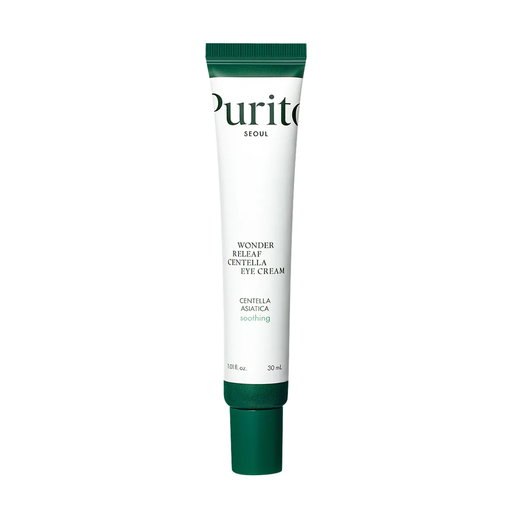
Why this product suits this profile: The 30 ml size and combination of Centella Asiatica extract, glycerin, sodium hyaluronate and peptides make it a good choice for regular moisturising eye care.
You can check the product’s ingredients against its INCI list. If you have sensitive skin, also bear in mind the fragrance components, including bergamot oil, lavender oil, limonene and linalool.
30 ml size, stated to be vegan, with Centella Asiatica, hyaluronic acid, ceramides and peptides in the formula.
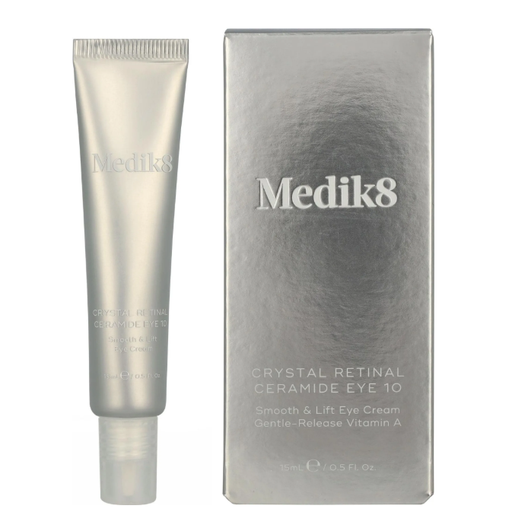
Why this product suits this profile: This overnight formula combines encapsulated retinaldehyde with ceramides, shea butter, squalane and hyaluronic acid.
The instructions recommend introducing it gradually: start by using it twice a week, then increase frequency slowly. This helps you avoid an uncontrolled start with retinal.
For evening use, with ceramides and squalane, plus clear advice to use sun protection every day when using retinal products.
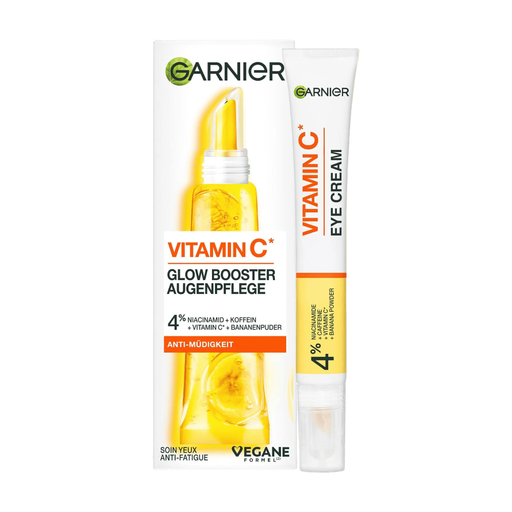
Why this product suits this profile: This formula is designed for a tired-looking eye area and, according to the product information, contains a 4% complex of niacinamide, caffeine, vitamin C and banana powder.
The advertised benefits can be matched to the ingredients listed. The visible effect of pigments or brightening ingredients shouldn’t be confused with treating dark circles.
Caffeine, niacinamide, ascorbyl glucoside and hydrolysed hyaluronic acid; suitable for a morning skincare routine.
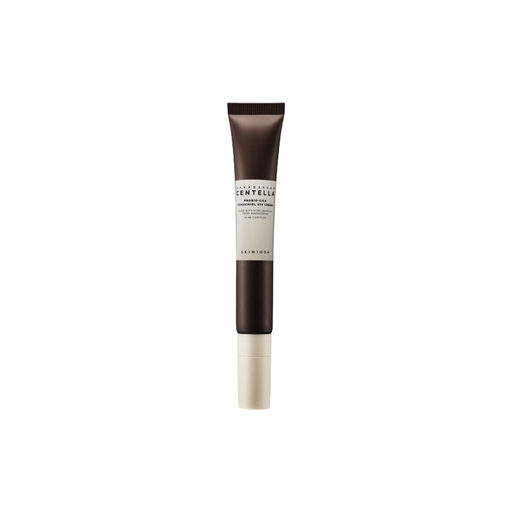
Why this product suits this profile: Centella Asiatica extract, bakuchiol, panthenol, glycerin and sodium hyaluronate combine soothing and moisturising care in a lightweight gel texture.
The formula uses bakuchiol rather than retinal or retinol. Even so, a patch test is a good idea, as plant-based active ingredients can affect people differently.
20 ml size, lightweight gel texture, no synthetic fragrance listed and several moisture-binding ingredients.
We’ve put together a complete, regularly updated list of products that meet these strict selection criteria and fully comply with the safety regulations in force in the EU.
Eye cream is no substitute for a medical assessment if you develop sudden, severe or one-sided swelling. Dark circles can also have various causes that cosmetic skincare cannot fully address.
Follow the PAO symbol and the information on the packaging. The recommended period of use is often between six and twelve months. If the colour, smell or consistency changes, stop using the product.
It depends on the formula. Moisturising eye care with glycerin or hyaluronic acid is often intended for use morning and evening. Retinal or retinol eye cream is generally used in the evening and introduced gradually at first.
Look for a short INCI list, a fragrance-free claim and no fragrance ingredients that you know cause problems for your skin. A patch test is also a good idea with products containing Centella Asiatica, bakuchiol or hyaluronic acid. What suits one person may not suit another.