
Lieferung heute & morgen

Qualitätsgarantie

Willkommens-Angebote freischalten: KOSTENLOSE Lieferung | Bis zu 80 % RABATT | Kostenlose 30-Tage-JoyPlus-Testphase
App herunterladen
An eye cream is designed to care for the delicate skin around the eyes. However, product claims such as “lifting”, “rejuvenation” or “instant visible smoothing” alone say little about whether a product is genuinely suitable. The ingredient list, texture, skin compatibility and your specific skincare needs are what really matter.
An anti-wrinkle eye cream can provide moisture, making dry lines temporarily appear less noticeable. However, this does not automatically mean that wrinkles will be reduced permanently. Check whether the product description provides clear, credible information about ingredients such as hyaluronic acid, peptides, niacinamide, retinol or bakuchiol.
Plant extracts and essential oils can be part of a pleasantly caring formulation. However, fragrances or fragrance allergens that must be declared, such as limonene, geraniol or linalool, may cause problems for sensitive skin. If your skin is prone to irritation, check the complete INCI list and test a small amount on an inconspicuous area of skin first.
A rich eye treatment can be useful for dry skin, but under make-up it may pill or leave a shiny finish. A lightweight gel or cream formulation is often better suited to a morning routine. A nourishing texture may feel more comfortable at night. The applicator also matters: metal or ceramic tips mainly change how the product feels during application; they do not replace a suitable formulation.
Eye creams are often available in small pack sizes of around 15 to 30 ml. For this reason, compare not only the pack price but also the quantity. A hygienic pump dispenser or a well-sealed jar can make application easier. The expiry date, batch number and period of use after opening should be clearly stated on the packaging.
Apply only a small amount and avoid direct contact with the eyes. Ideally, gently pat the product in with your ring finger without pulling the skin. When using a new active ingredient, introduce it gradually. If redness, stinging, itching or swelling occurs, stop using the product. If symptoms persist, seek medical advice.
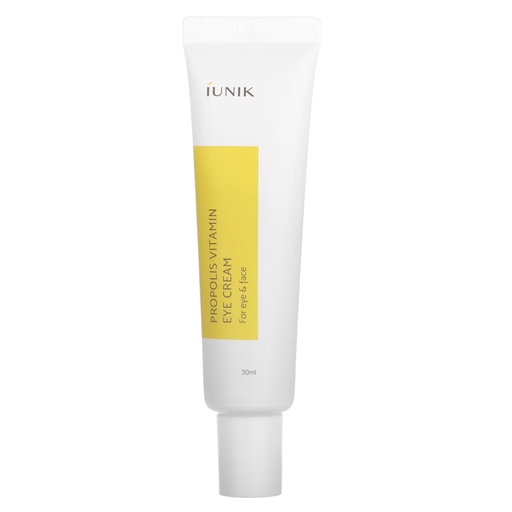
Why this product suits this profile: According to the product description, this lightweight, fast-absorbing cream is intended for eye and facial care, making it suitable for a straightforward morning and evening routine.
The INCI list includes glycerin, niacinamide, betaine, trehalose and hyaluronic acid derivatives, among other ingredients. Fragrance allergens such as limonene and geraniol are also listed and should be taken into account before buying.
30 ml contents; propolis and sea buckthorn fruit extract; intended for eye and facial care.
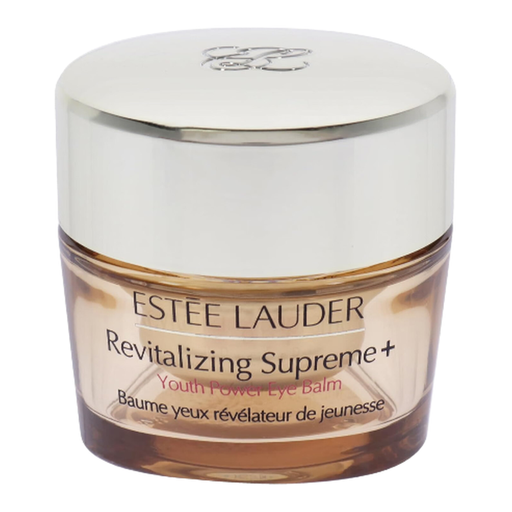
Why this product suits this profile: The balm texture is intended for a richer skincare routine and, according to the product information, can be used daily or as a weekly intensive mask.
Use is not defined solely by marketing language: the product description specifies daily use and application as a mask. With a rich texture, its compatibility with make-up should be considered.
15 ml contents; moringa and hibiscus extract; according to the product information, it can also be used as an eye mask.
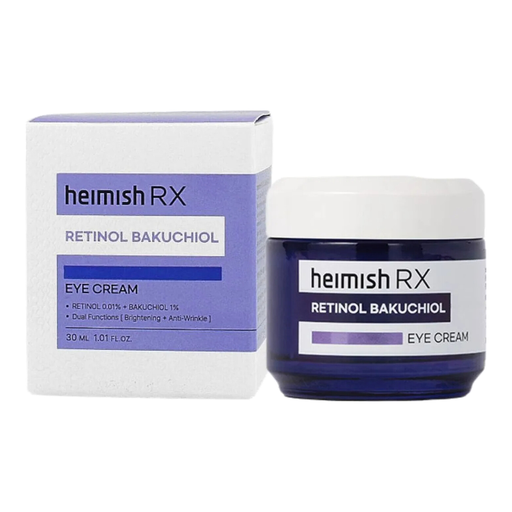
Why this product suits this profile: The combination of 0,01 % retinol, 1 % bakuchiol and 5 % niacinamide is aimed at people looking for a targeted anti-ageing eye cream with a clearly defined selection of active ingredients.
The concentrations are stated in the product description. As it contains retinol, start gradually, use sun protection during the day and take a break if irritation occurs.
30 ml contents; metal applicator; also contains hyaluronic acid, shea butter and macadamia oil according to the product description.
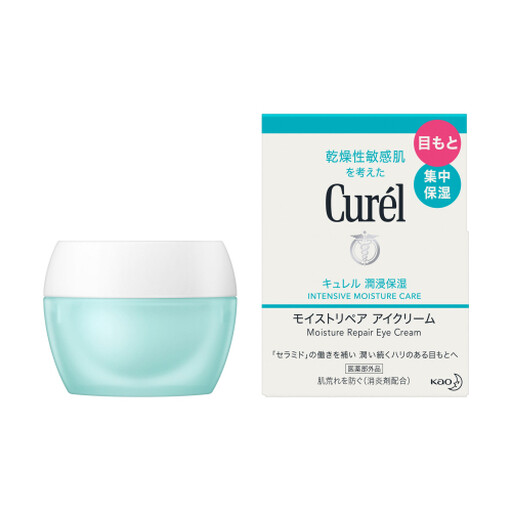
Why this product suits this profile: The formulation is specifically described as suitable for dry, sensitive skin and, according to the product information, can also be used on dry areas around the mouth.
The product description mentions a ceramide-like skin-conditioning ingredient and allantoin. It also provides clear warnings for irritated or visibly unusual skin, which should be taken into account before use.
25 g contents; intended for the eye area and dry areas around the mouth; apply without rubbing by gently pressing into the skin.
We have put together a complete, regularly updated list of products that fully meet these strict selection criteria and the safety regulations applicable in the EU.
Look for moisturising and skin-conditioning ingredients such as glycerin, hyaluronic acid, ceramide components, panthenol or shea butter. A richer texture may feel more comfortable, but should initially be tested carefully on sensitive skin.
The expiry date and the open-jar symbol showing the period of use after opening on the packaging are the key points. Store the product according to the manufacturer’s instructions, close it after use and remove the cream with clean hands or a suitable applicator.
This depends on the formulation and your individual skin tolerance. When using a retinol eye cream, start with a few applications per week and increase frequency only if your skin tolerates it well. Avoid direct contact with the eyes; suitable sun protection during the day is recommended.