
Lieferung heute & morgen

Qualitätsgarantie

Willkommens-Angebote freischalten: KOSTENLOSE Lieferung | Bis zu 80 % RABATT | Kostenlose 30-Tage-JoyPlus-Testphase
App herunterladen
Removing eye makeup daily is an essential step in any skincare routine. However, finding the right eye makeup remover can be complicated. Many products promise a gentle cleanse but leave behind an oily film, cause stinging eyes, or fail to remove waterproof mascara adequately. The result is often unnecessary rubbing, which irritates the delicate skin and damages your lashes.
As your Joybuy Product Recommendation Officer, I'm here to help you recognise the common pitfalls and make an informed decision. We'll focus on the objective criteria that truly matter, so you can find a product that cleanses effectively without causing unwanted side effects.
Many users invest in products that don't live up to their promises. Watch out for these three common shortcomings to avoid disappointment:
To find the right makeup remover for your eyes, you should check three technical features. These determine its effectiveness, tolerability, and feel during application.
The composition is crucial for cleansing performance and how it feels on the skin.
A gentle eye makeup remover is distinguished by a minimalist and soothing ingredient list.
For maximum safety, you should look for two labels:
Here are some recommendations tailored to specific needs and the criteria mentioned above.
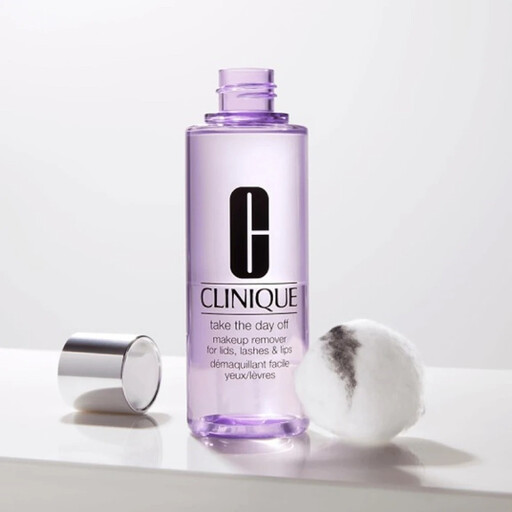
Why This Fits Their Persona: Ideal for users who regularly wear long-lasting or waterproof mascara and eyeliner and need a reliable, quick solution without harsh rubbing.
The bi-phase formula effectively dissolves even the most stubborn makeup, thus avoiding the "gentle but ineffective" trap. No harsh rubbing required.
Ophthalmologically tested and suitable for contact lens wearers. The formula is 100% fragrance-free, which minimises the risk of irritation.
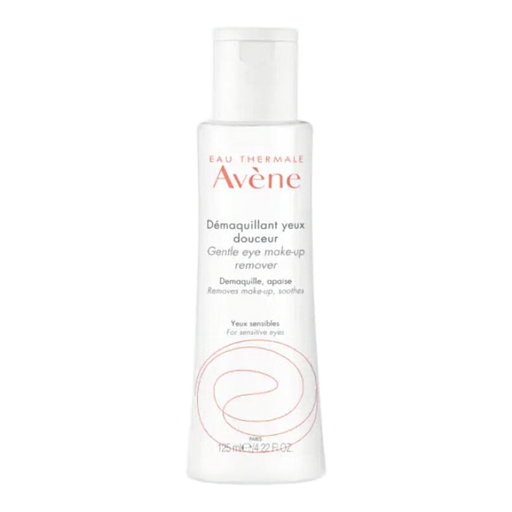
Why This Fits Their Persona: Designed for individuals with extremely sensitive skin, reactive eyelids, or for contact lens wearers seeking a maximum-tolerance cleansing solution.
The formula is fragrance-free and isotonic to tears, consistently avoiding the "hidden irritants" trap. The gentle gel texture leaves no oily film.
Contains soothing Avène Thermal Spring Water. The non-greasy aqua-gel texture ensures a pleasant, residue-free feel on the skin.
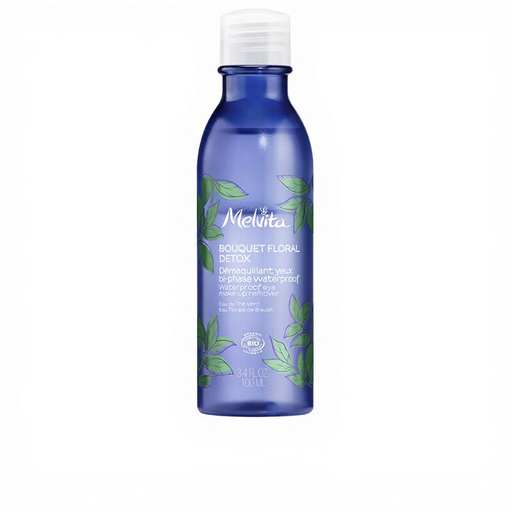
Why This Fits Their Persona: Perfect for eco-conscious users who value certified organic ingredients and effective cleansing without resorting to synthetic components.
As a bi-phase remover, it is powerful enough for waterproof makeup. At the same time, the formula is fragrance-free and gentle, preventing irritation for sensitive eyes.
ECOCERT certified with 99% ingredients of natural origin. Contains castor oil to strengthen lashes and soothing organic floral waters.
We have compiled a complete, up-to-date list of products that fully meet these strict selection criteria and current safety regulations.
1. Do you need to rinse off eye makeup remover after use? That depends on the product. Many modern formulations, especially micellar waters, are designed as "no-rinse" products. However, with oil-based bi-phase removers, many users find it more comfortable to wash their face with a mild cleanser afterwards to completely remove any residue and prepare the skin for subsequent skincare. Always check the manufacturer's instructions.
2. Can I use my regular facial cleanser for my eyes? It is not recommended. The skin around the eyes is significantly thinner and more sensitive than the rest of the face. Facial cleansers are often not ophthalmologically tested and can contain ingredients that cause stinging and irritation in the eye area. A dedicated makeup remover for eyes is pH-balanced to match your tears and formulated for this delicate zone.
3. What is the difference between a bi-phase and a micellar eye makeup remover? A bi-phase eye makeup remover combines an oil and a water phase. It must be shaken to mix the phases. The oil component is extremely effective at dissolving oil-soluble, waterproof makeup. A micellar remover uses micelles (small cleansing particles) in an aqueous solution to gently envelop and lift away makeup. It is generally lighter and oil-free but may be less effective on very stubborn makeup than a bi-phase formula.