
Lieferung heute & morgen

Qualitätsgarantie

Willkommens-Angebote freischalten: KOSTENLOSE Lieferung | Bis zu 80 % RABATT | Kostenlose 30-Tage-JoyPlus-Testphase
App herunterladen
Mascara, eyeliner and eyeshadow are part of many people’s daily beauty routine. However, when it comes to cleansing, it quickly becomes clear whether an eye makeup remover suits your needs. Waterproof mascara often can’t be fully removed with a simple cleansing lotion, while heavily oil-based formulas can leave a film on some people.
The choice should therefore not be based solely on brand name, packaging design or advertising claims. What really matters are the formulation, suitability for your skin and eye type, and the correct application.
A gentle eye makeup remover isn’t automatically suitable for all sensitive eyes. Fragrances, certain preservatives or rich oils can be individually irritating. It’s worth checking the INCI list, especially if you’ve experienced irritation before.
If you’re looking for a fragrance-free eye makeup remover, look for the specific label “fragrance-free” or “parfümfrei”. “For sensitive skin” is a general product claim and doesn’t replace an individual tolerance test.
When trying to remove waterproof mascara, people often rub or pull at their lashes. This can unnecessarily stress the delicate eye area. A suitable two-phase makeup remover typically combines a water-based and an oil-based phase. Shaking the bottle mixes both components, making long-lasting makeup easier to dissolve.
A 50 ml bottle is handy for hand luggage, travel or the gym, but won’t last as long with daily use as a 125 ml or 400 ml pack. Conversely, a large bottle can be impractical if the product is only used occasionally or needs to be opened and transported regularly.
For light makeup, a water-based cleansing solution is often sufficient. For waterproof or long-lasting makeup, a waterproof eye makeup remover with a two-phase formulation is usually the more obvious choice. The bottle should be shaken before each use according to the pack instructions.
Oil-based ingredients can dissolve waterproof pigments and film formers. If you want to avoid a dry or greasy feeling afterwards, you can follow up the eye area – if stated on the packaging – with water or your usual facial cleanser.
For sensitive eyes, the following information is particularly relevant:
An eye makeup remover for contact lens wearers should only be advertised as such if the manufacturer confirms this suitability. Contact lenses should ideally be removed before cleansing. If the product gets into your eye and causes discomfort, rinse with clean water. If irritation persists, seek medical advice.
A cotton pad should be sufficiently soaked with the product. For stubborn makeup, it can help to hold the pad over your closed eye for a few seconds. Then gently wipe from top to bottom or from the inner to the outer corner of the eye. Several light passes are usually better than vigorous rubbing.
Also pay attention to:
Not every product is equally intended as a makeup remover for lashes and lips. Application should always follow the product description and packaging.
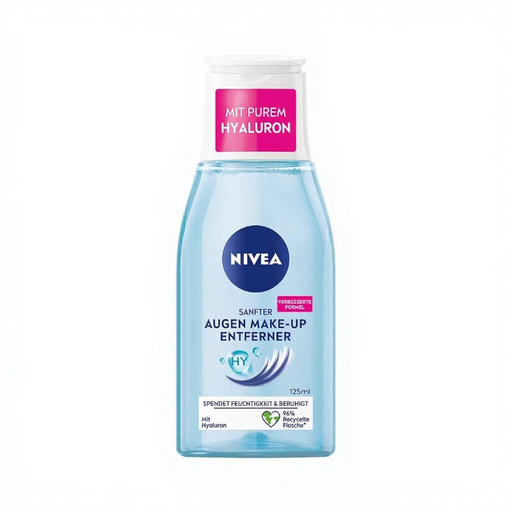
Why this product fits the profile: The 125 ml bottle is suitable for regular use and covers a typical everyday need.
The product details recommend using a cotton pad and warn against direct eye contact. This allows for controlled cleansing.
125 ml fill volume; according to product details, contains panthenol and is intended for removing eye makeup.
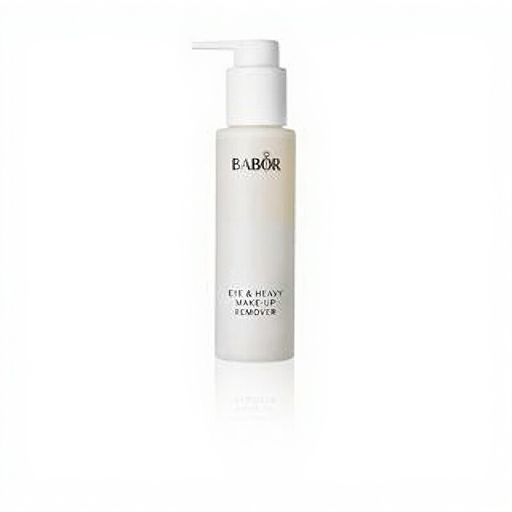
Why this product fits the profile: The two-phase texture is designed for heavy and waterproof makeup, and suits a more sophisticated evening routine.
The product description explicitly mentions shaking before use and the combination of oil and water phases.
100 ml fill volume; according to product details, a fragrance-free formulation with aloe vera, provitamin B5 and vitamin E.
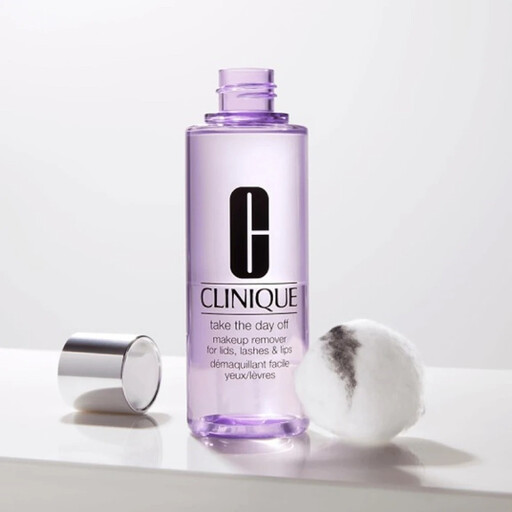
Why this product fits the profile: The compact size is ideal for travel, short stays or an extra bottle to keep on the go.
The product details mention a two-phase formula for long-lasting and waterproof makeup, as well as use on eyes and lips.
50 ml travel size; according to product details, fragrance-free and suitable for contact lens wearers.
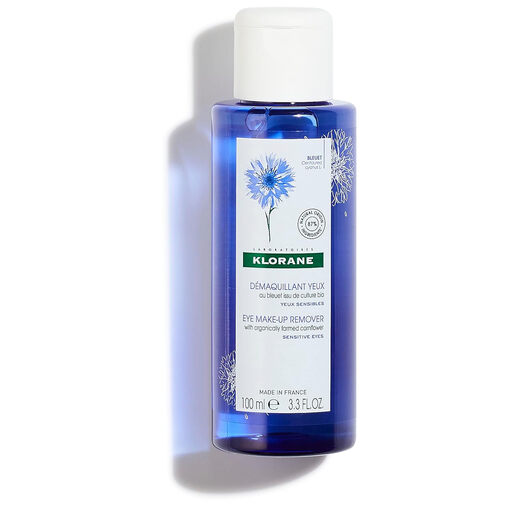
Why this product fits the profile: The product description targets sensitive eyes and mentions a texture with a pH level adjusted to that of tears.
The details focus on suitability for sensitive eyes, rather than linking strong cleansing power with aggressive rubbing.
100 ml fill volume; according to product details, contains cornflower extract and is suitable for contact lens wearers.
We’ve put together a complete, regularly updated list of products that fully meet these strict selection criteria and the safety regulations in force in the EU.
Soak a cotton pad with a suitable waterproof eye makeup remover and hold it over your closed eye for a few seconds. Then gently wipe downwards and outwards. Use a fresh pad if needed. Avoid rubbing, pulling at your lashes and using old, dry pads.
The printed expiry date and the symbol for shelf life after opening are what matter. Some products, for example, state six months; the specific information on the packaging takes priority. Close the bottle after each use and protect it from direct sunlight and excessive heat.
No. This suitability must be explicitly stated in the product details. Contact lenses should ideally be removed before cleansing. If the product gets into your eye and causes discomfort, rinse with clean water. If irritation persists, seek medical advice.