
Lieferung heute & morgen

Qualitätsgarantie

Willkommens-Angebote freischalten: KOSTENLOSE Lieferung | Bis zu 80 % RABATT | Kostenlose 30-Tage-JoyPlus-Testphase
App herunterladen
Mascara, eyeliner and eyeshadow are part of many people’s daily routine. However, removing make-up quickly reveals whether an eye make-up remover is suitable for your needs. Stinging, vigorous rubbing or a greasy film are common signs that the formula and make-up are not a good match.
As a Joybuy Product Recommendation Officer, I filter product information according to transparent criteria. It is not about blanket promises, but about asking: which features are genuinely relevant for each need?
Descriptions such as “mild”, “sensitive” or “gentle” are not sufficient selection criteria on their own. It is worth checking the ingredients list, particularly if your eyes or skin are prone to reactions. Fragrances such as parfum, geraniol or citronellol may be undesirable for some users. If you are looking for a fragrance-free eye make-up remover, compare the product description with the INCI list.
A simple, water-based remover may be enough for loose eyeshadow or non-waterproof mascara. For long-lasting eyeliner and waterproof mascara, however, oil-based or two-phase eye make-up removers are often more suitable. The two phases must be shaken before use. If this step is skipped, the formula will not be distributed as intended.
Even a suitable waterproof make-up remover should not be applied with pressure. Repeatedly rubbing a closed eye increases mechanical strain on the delicate eye area. It is better to place a soaked cotton pad on the eye for a few seconds, then gently wipe the make-up away outwards and downwards.
The right choice depends on your make-up and the skin feel you prefer:
For a make-up remover for sensitive skin, concise, clearly described product features can be helpful. However, the description “for sensitive skin” is no substitute for checking individual tolerance. If you have known intolerances, it is worth comparing the INCI list.
If you prefer a more minimal formula, look for terms such as fragrance-free, alcohol-free or mineral-oil-free. These features must nevertheless be checked for the specific product. Natural or plant-based ingredients are not automatically an indication of better tolerance either.
125 ml is a common volume for many products. However, the actual cost depends on how much liquid is needed per application and whether several cotton pads are required for heavy make-up. Information about the period after opening, such as “6M”, can be found on the packaging.
For application:
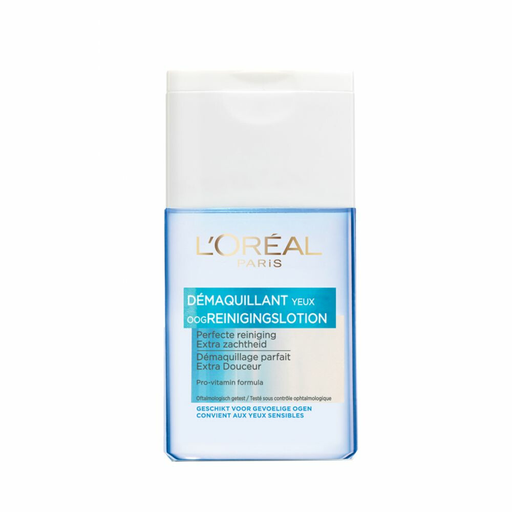
Why this product suits the profile: The 125 ml lotion is designed for the daily removal of eye and lip make-up and, according to the product information, is intended for sensitive skin.
Apply the lotion to a cotton pad and use it without vigorous rubbing. Check the ingredients list for fragrances before buying.
The product description mentions allantoin and pro-vitamin; the formula is designed for daily cleansing.
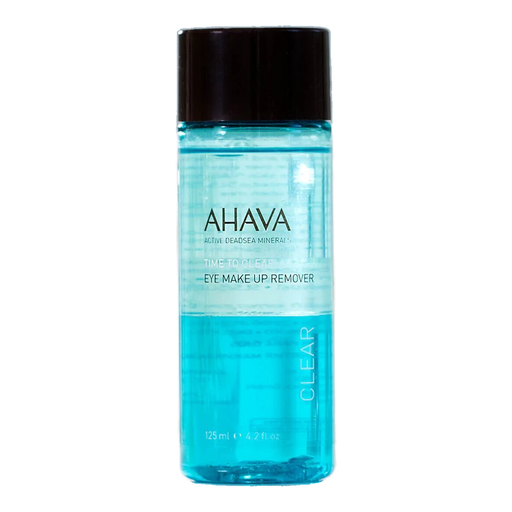
Why this product suits the profile: According to the product information, the two-phase formula is designed for waterproof mascara and long-lasting eyeliner.
Shaking the bottle beforehand combines both phases. This distributes the formula as intended for the product’s recommended use.
The product description lists aloe vera, calendula and cucumber extracts. According to the product information, the remover has been ophthalmologically tested.
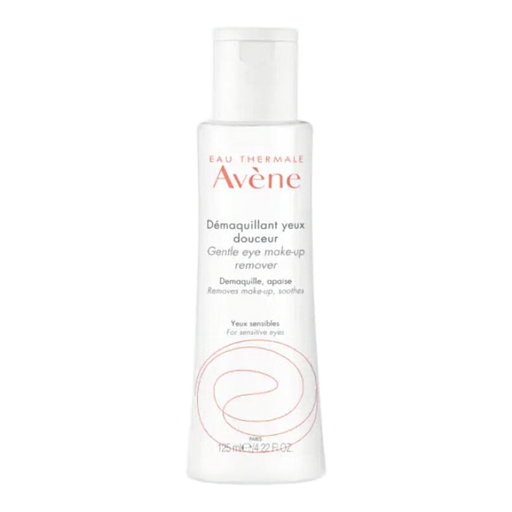
Why this product suits the profile: According to the product information, the fragrance-free, non-greasy formula is intended for sensitive eyes and contact lens wearers.
The product information describes a non-greasy texture and fragrance-free formula. This addresses two common selection concerns for regular use.
The formula is described as isotonic with tears, and thermal water is also listed as an ingredient. The bottle contains 125 ml.
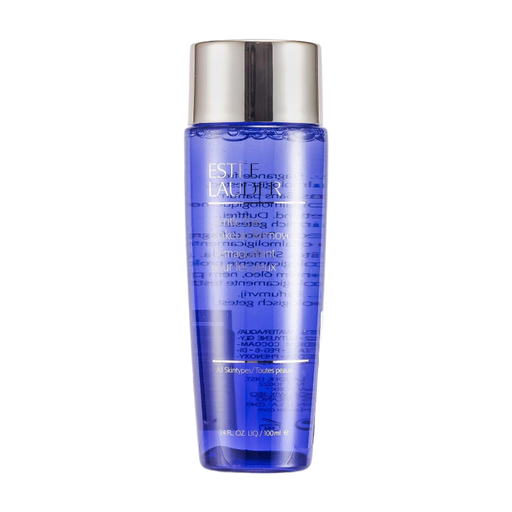
Why this product suits the profile: According to the product information, the water-based, oil-free lotion is intended for all skin types and contact lens wearers.
The oil-free formula reduces the risk of an explicitly unwanted greasy film. For waterproof make-up, suitability should be assessed individually.
The product description mentions dermatological and ophthalmological testing, as well as a volume of 100 ml.
We have put together a complete, regularly updated list of products that fully meet these strict selection criteria and the safety regulations applicable in the EU.
Two-phase eye make-up removers are often suitable for waterproof make-up. Shake the bottle before use. Placing the cotton pad over the closed eye for a few seconds can reduce the amount of rubbing needed. For very sensitive eyes, fragrance-free formulas and the stated tolerance are also relevant.
This depends on the individual product. According to the product information, some variants are described as suitable for contact lens wearers and as having been ophthalmologically tested. If possible, remove contact lenses before taking off your make-up. If you experience stinging, redness or persistent discomfort, stop using the product and rinse with water.
The best-before date and the open-jar symbol on the packaging are the key points to check. A marking such as “6M” indicates the recommended period of use after opening. Changes in smell, colour or consistency are reason enough to stop using the product, regardless of this information.