
Lieferung heute & morgen

Qualitätsgarantie

Willkommens-Angebote freischalten: KOSTENLOSE Lieferung | Bis zu 80 % RABATT | Kostenlose 30-Tage-JoyPlus-Testphase
App herunterladen
Waterproof mascara, long-wearing eyeliner and highly pigmented eyeshadow can be difficult to remove completely with an ordinary facial cleanser. But if you choose an eye make-up remover based only on claims such as “extra gentle” or “removes everything”, you may overlook important differences in formula, application and skin compatibility.
A make-up remover for sensitive eyes may be advertised as mild and still contain fragrance or fragrance ingredients that must be declared. If your skin is prone to redness or stinging, check the INCI list and look specifically for a fragrance-free formula. The claim “for sensitive skin” is no substitute for checking how your own skin responds.
A simple, water-based eye cleanser may be enough for eyeshadow or light eyeliner. For waterproof mascara or long-wearing eyeliner, however, bi-phase formulas are often a good choice. They combine a water-based phase with oil- or silicone-based ingredients that can loosen long-lasting colour and waxes. If you don’t shake the bottle thoroughly, the formula may not work evenly.
Even a suitable waterproof eye make-up remover can feel uncomfortable if you use it incorrectly. Soak a cotton pad thoroughly and hold it against your closed eye for a few seconds. Then gently wipe the make-up away outwards, without applying pressure. Repeatedly tugging at your eyelids and lashes can cause mechanical irritation. If you wear contact lenses, it’s best to remove them before cleansing, unless the instructions for the product say otherwise.
A bi-phase make-up remover is an obvious choice for waterproof eye make-up. Shake it before use to combine the two phases. If you also want to remove lipstick or lip tint, look specifically for an eye and lip make-up remover.
A lightweight lotion with less oil, or one that is specifically oil-free, may be more suitable if you want a make-up remover that doesn’t leave an oily residue. However, “oil-free” doesn’t automatically mean better skin compatibility. What matters is which ingredients your skin and eye area can tolerate.
Claims such as ophthalmologically tested, dermatologically tested or suitable for contact lens wearers should be verifiable on the packaging or in the official product information. According to the product details, several of the products below carry these claims. They can help guide your choice, but they are not a guarantee that a product will suit everyone.
Fragrance-free products and a straightforward INCI list are also worth considering if you have sensitive eyes. If you react to certain plant extracts, preservatives or oils, compare the current ingredients list on the packaging with the ingredients you avoid.
The options available range in size from around 50 to 250 ml. A small bottle is handy for travel or trying a product for the first time, while 125 or 250 ml bottles need replacing less often if you use them regularly. A larger bottle is only good value, though, if it suits your daily routine and you use it within the period stated on the packaging.
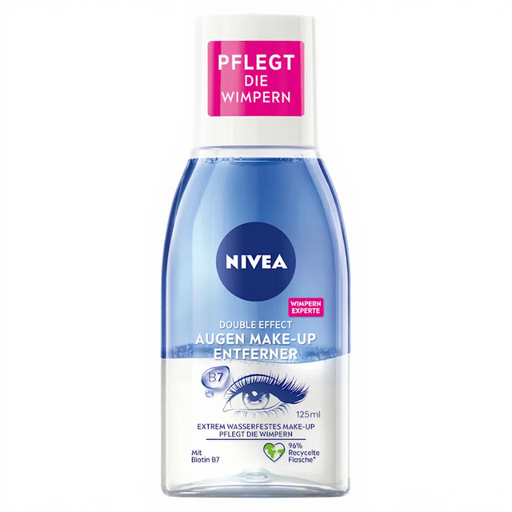
Why it suits this profile: The 125 ml size is designed for regular use. According to the product information, its bi-phase formula is intended for waterproof make-up, sensitive eyes and contact lens wearers.
The instructions say to shake the bottle, addressing the common issue of the two phases separating. Check the packaging for the latest ingredients list and information about fragrance.
125 ml; according to the supplier, dermatologically and ophthalmologically tested, and suitable for contact lens wearers.
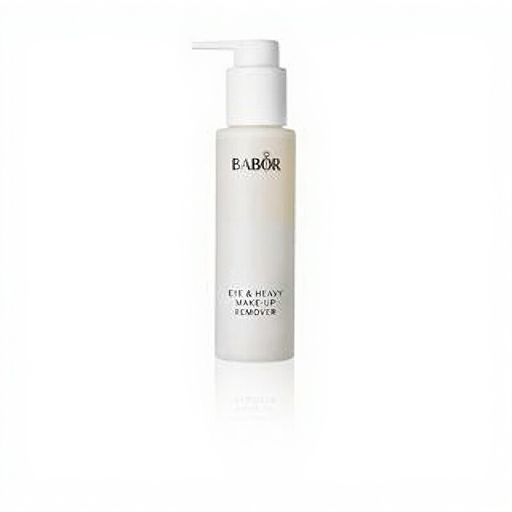
Why it suits this profile: According to the product description, this bi-phase liquid is for anyone looking to remove long-wearing, waterproof make-up and who prefers a fragrance-free formula.
The product description specifically states that the formula is fragrance-free and should be activated by shaking. This makes it easier to compare marketing claims with the product’s actual features.
100 ml; according to the supplier, formulated with evening primrose oil, aloe vera, provitamin B5 and vitamin E.
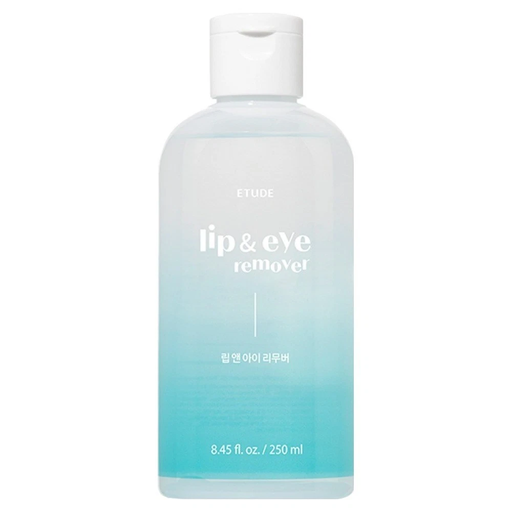
Why it suits this profile: The larger size is handy if you use it often. According to the product information, this eye and lip make-up remover is intended for waterproof mascara, eyeliner and lip colour.
The recommended leave-on time of five to ten seconds means you need to rub less. Make sure to mix the two phases thoroughly before each use.
250 ml; according to the supplier, ophthalmologically tested and leaves no oily residue after cleansing.
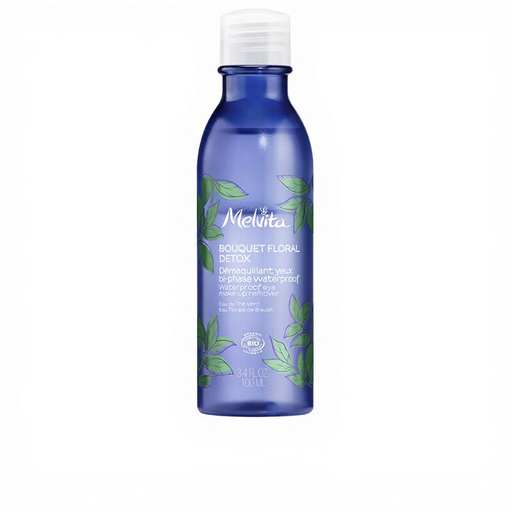
Why it suits this profile: According to the product information, the formula is fragrance-free, intended for sensitive eyes and certified organic by ECOCERT. It may appeal to shoppers who take a product’s origins and certification into account when choosing.
The choice isn’t based on the word “natural” alone, but on specific details: according to the product description, 99 per cent of the ingredients are of natural origin and 36 per cent come from organic farming.
100 ml; according to the supplier, it is bi-phase, oil-free and packaged in 100 per cent recycled plastic.
We’ve put together a complete, regularly updated list of products that meet these strict selection criteria and fully comply with the safety regulations in force in the EU.
A bi-phase eye make-up remover is often designed for long-wearing and waterproof make-up. It’s important to shake it before use and leave it on briefly. Check the product description and the latest information on the packaging to make sure it’s suitable for your needs.
According to supplier information, some products are described as suitable for contact lens wearers and ophthalmologically tested. Even so, it’s best to remove your contact lenses before cleansing if possible. If the product comes into direct contact with your eye, follow its safety instructions; these usually recommend rinsing thoroughly with water.
Check the best-before date and the open-jar symbol on the packaging. After opening, keep the bottle tightly closed, in a cool place and out of direct sunlight. If the smell, colour or texture changes, stop using the product.