
Lieferung heute & morgen

Qualitätsgarantie

Willkommens-Angebote freischalten: KOSTENLOSE Lieferung | Bis zu 80 % RABATT | Kostenlose 30-Tage-JoyPlus-Testphase
App herunterladen
The eye area presents particular challenges when buying an eye serum: the skin is thin, often more sensitive, and generally needs less product than the rest of the face. At the same time, many formulations promise a smoother, brighter or more radiant eye contour. What really matters, therefore, is not just the brand name, but whether the active ingredients, texture, applicator and usage suit your individual skin type.
“Retinol”, “Vitamin C”, “Peptides” or “Hyaluronic Acid” sound impressive, but on their own they tell you little about concentration, derivative, formulation or tolerance. A retinol eye serum may appeal to experienced users, while sensitive skin is better off starting with a simpler, hydrating product.
Similarly, a vitamin C eye serum isn’t automatically suitable for every eye area. The specific ingredient – for example, Ascorbyl Glucoside or a stabilised vitamin C derivative – should be checked on the INCI list.
Pearlescent pigments, light-reflecting particles or cooling metal applicators can make the eye area look fresher immediately. However, this effect is different from the long-term care provided by humectants, peptides or other ingredients. A product with optical correction can be useful if you want a more awake appearance in the morning, but it doesn’t replace a routine tailored to your skin.
Applying too frequently, rubbing, or using several active products at once can stress the skin. Extra caution is needed with retinoids, fragrances or alcohol in the formula. Before first use, it’s advisable to do a patch test on a small area of skin. If redness, stinging or a rash persists, stop using the product.
Before buying, check the ingredient list against any known allergies or personal intolerances. For sensitive skin, fragrance-free formulations can be a practical choice. With products containing retinol, retinal or retinyl retinoate, always follow the manufacturer’s usage instructions. During the day, a suitable sunscreen should be part of your facial skincare routine.
The labelling of cosmetic products in the EU is governed, among other things, by the Cosmetics Regulation (EC) No. 1223/2009. Information on the packaging – particularly the current INCI list, the best-before date and the batch number – is definitive. Formulations can change.
A serum is usually used in small amounts: a thin film along the orbital bone is sufficient. A roller ball can make dosing and application easier, while a pipette or pump allows controlled dispensing. Overly rich textures may sit under make-up, while very runny formulas should be applied carefully to avoid getting any in the eye.
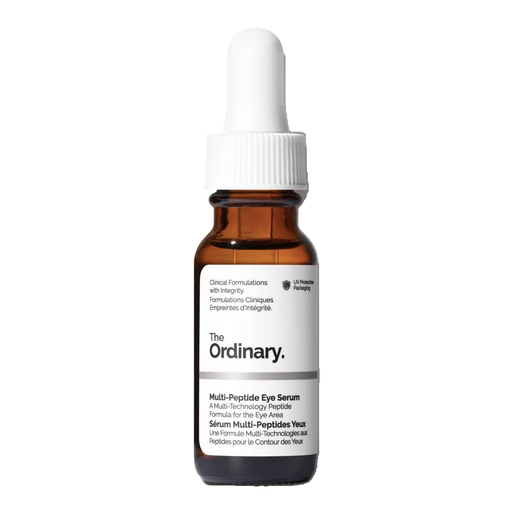
Why this product fits the profile: The water-based formula contains, among other ingredients, Glycerin, Niacinamide, several peptides and caffeine. The 15ml size is ideal for a straightforward, active-focused morning and evening routine.
The clearly listed INCI makes it easy to check the active ingredient groups, helping you avoid choosing based on marketing claims alone.
Peptide and moisturising components; small dosage amount and handy 15ml bottle.
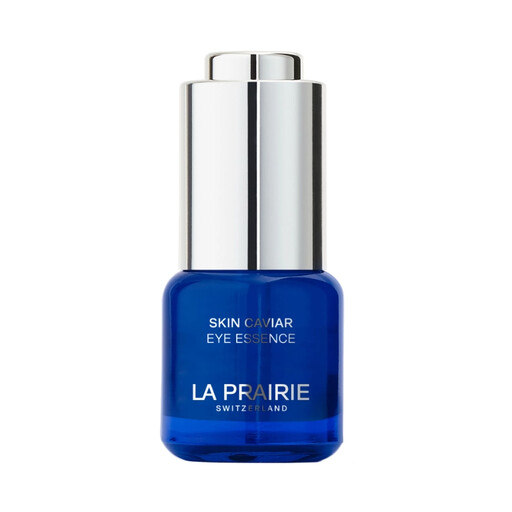
Why this product fits the profile: The gel-serum comes in a 15ml glass bottle with a precision pipette. Its lightweight texture is designed for controlled application along the eye contour.
The pipette allows economical dosing and reduces direct contact with the product inside the container.
Gel-serum texture; glass bottle with precise dispensing mechanism.
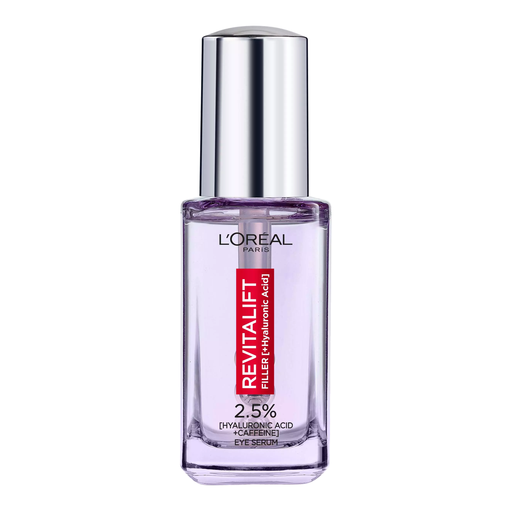
Why this product fits the profile: According to the product information, the formula contains 2.5% Hyaluronic Acid, Niacinamide, Vitamin C and Caffeine. The applicator with three stainless steel balls is designed for both morning and evening use.
The clear active ingredient information and fragrance-free approach make it easier for those who want to avoid fragrances to choose.
20ml bottle; stainless steel balls for controlled application and a cooling massage effect.
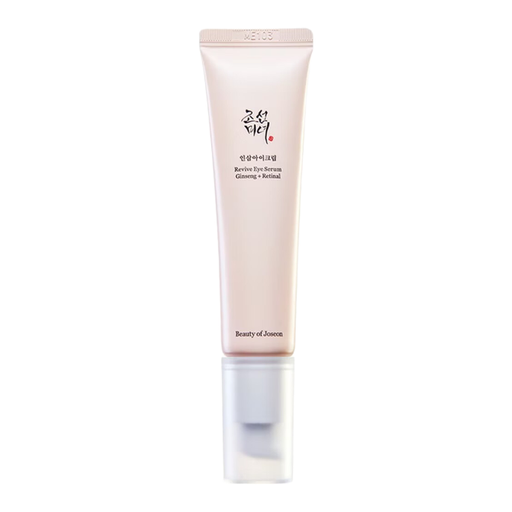
Why this product fits the profile: This Korean eye serum combines Ginseng, Niacinamide, Retinal, Adenosine and Sodium Hyaluronate. The 30ml size may appeal to those who regularly care for the eye area and, as per the instructions, also wish to use the product on the face.
The retinal formula is clearly stated. The usage instructions and warning about skin irritation help prevent overuse.
Retinal and Ginseng in one formula; 30ml content for regular use.
We’ve put together a full, regularly updated list of products that fully meet these strict selection criteria and the safety regulations in force in the EU.
Apply an eye serum after cleansing to dry skin. Usually, a small amount per eye is enough. Gently pat the product along the orbital bone, avoiding direct contact with the eye.
With retinol or retinal products, it’s wise to start slowly: a few evenings per week to begin with, unless the manufacturer advises otherwise. Use a sunscreen during the day. Use the serum according to the printed best-before date or the period-after-opening symbol on the packaging. Changes in smell, colour or consistency indicate it’s time to replace it.
For dry skin, look for formulations with Glycerin, Hyaluronic Acid, Sodium Hyaluronate or Squalane. A well-tolerated texture and sparing application are also important. A hydrating eye serum can be used under an eye cream, as long as it doesn’t overload the skin.
It depends on the formula. Hydrating or peptide serums are often used morning and evening, if the packaging says so. With retinol or retinal, consider your individual tolerance and follow the manufacturer’s instructions.
The best-before date and the period-after-opening symbol on the packaging are what matter. Shelf life can vary depending on the formula, packaging and storage conditions. A cool, dry place away from direct sunlight helps ensure proper storage.