
Lieferung heute & morgen

Qualitätsgarantie

Willkommens-Angebote freischalten: KOSTENLOSE Lieferung | Bis zu 80 % RABATT | Kostenlose 30-Tage-JoyPlus-Testphase
App herunterladen
Fine lines, dry skin, dark circles or morning puffiness can quickly lead you to buy an eye serum. The choice ranges from a hydrating eye serum with hyaluronic acid to formulations with retinol, retinal, peptides, caffeine or vitamin C. Yet a high price or a bold efficacy claim alone says little about whether it is right for your skin.
The following criteria will help you put marketing claims into perspective and select an eye serum that suits your skin type, routine and desired use.
Retinol and retinal are frequently marketed for anti-ageing. Both belong to the vitamin A derivatives, but depending on the formulation and your individual sensitivity, they can irritate the skin. What matters, therefore, is not just the terms retinol or retinal, but also the full INCI list, the usage recommendation and the possibility of introducing the product gradually.
An eye serum with retinol or an eye serum with retinal should initially be used sparingly and preferably in the evening. During the day, a suitable sunscreen should be part of your routine. If redness, stinging or persistent irritation occurs, pause use.
Pearlescent pigments, cooling metal applicators or a smoothing skin feel can temporarily alter the appearance. This does not automatically mean a long-term change in wrinkles or dark circles. A firming eye serum can make the skin appear smoother through hydration, whereas genetically determined dark circles, shadows caused by facial structure or genuine under-eye bags can only be influenced to a limited extent by cosmetics.
Even a product described as universally suitable may contain fragrances, alcohol, essential oils or active ingredients that are unsuitable for sensitive skin. If you are prone to allergies, dry patches or irritated eyes, you should check the INCI list and the manufacturer's instructions before buying. A patch test on a small area of skin can provide additional guidance, but does not replace medical advice.
The eye area is sensitive to friction. A lightweight texture can usually be spread with minimal pressure. Rollerball or metal applicators can have a cooling effect, but should be kept clean. Pipettes or pump bottles allow for a measured dose. In addition, the packaging should protect the contents from light and air as much as possible, especially with sensitive vitamin A or vitamin C formulations.
An eye serum is normally applied after cleansing and, if applicable, after toner. A small amount along the bony eye socket is sufficient; direct contact with the eye should be avoided. The product quantity will last for different lengths of time depending on the dosage and frequency of use. A 10 to 15 ml product can be appropriate for the eye area, while 30 or 50 ml may also be intended for use on other parts of the face.
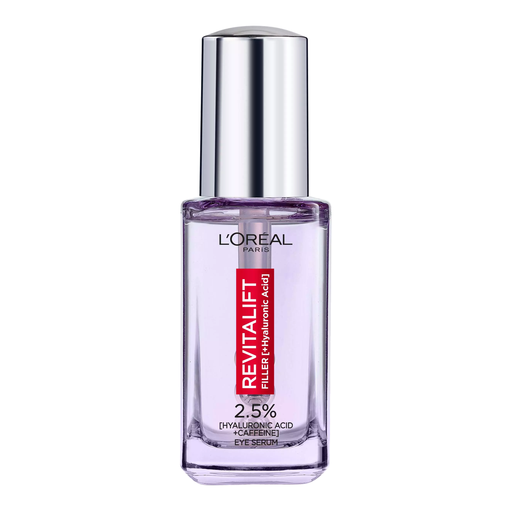
Why this product fits the profile: According to the product information, the formula contains 2.5% hyaluronic acid as well as niacinamide, vitamin C and caffeine. This makes it suitable for beginners who want to combine hydration with a fresher appearance.
The key ingredients are named in the product description. The three-ball applicator supports a sparing, low-touch application; however, the effect of the massage should not be equated with a lasting change.
20 ml content, stated as fragrance-free, and a combination of hyaluronic acid, niacinamide, vitamin C and caffeine.
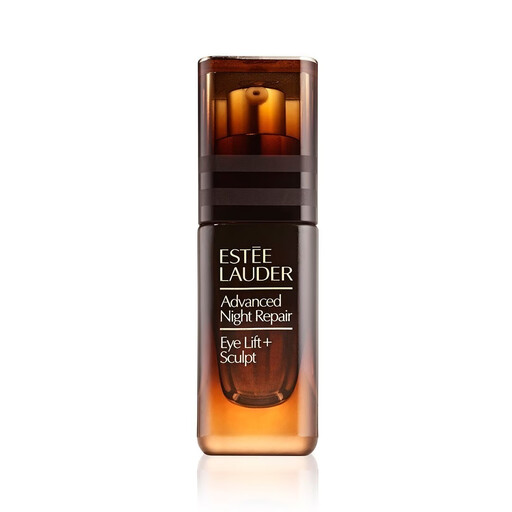
Why this product fits the profile: According to the product information, this serum combines hyaluronic acid with tripeptide-32 and other peptides. It is aimed at users who prefer comprehensive care for both the upper and lower eye area.
The product description names the relevant peptides and the intended morning and evening use. Statements about visible results come from the brand's claims and should not be understood as an individual guarantee.
Peptide and hyaluronic acid formulation, described as suitable for all skin types, stated as non-comedogenic.
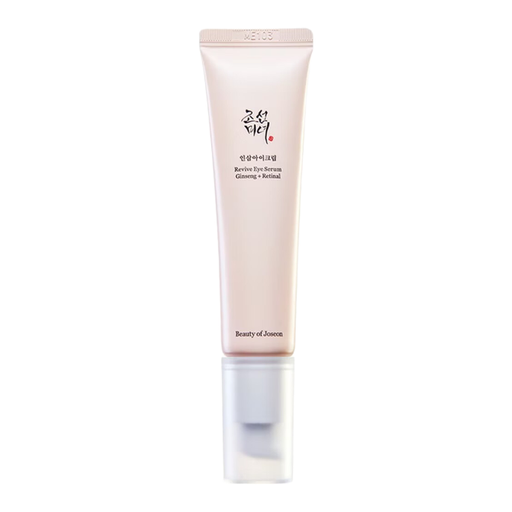
Why this product fits the profile: This Korean eye serum combines ginseng, retinal and other ingredients such as niacinamide, ceramides and sodium hyaluronate. It suits experienced skincare users who want to incorporate an eye serum with retinal into their evening routine.
The ingredient list explicitly states retinal. This makes it easier to distinguish the formulation from purely hydrating products; gradual introduction is advisable for sensitive skin.
30 ml content, retinal, ginseng extract, ceramides and sodium hyaluronate according to the published INCI list.
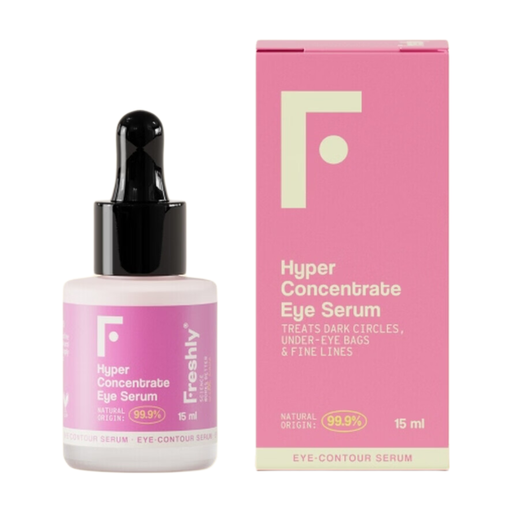
Why this product fits the profile: The product is described as having a 99.9% natural, fragrance-free and silicone-free formulation. It is of interest to those looking for an eye care product for mature skin that avoids retinoids.
The product information explicitly states the absence of fragrances, silicones and retinoids. Additionally, individual tolerance should be checked against the current packaging information.
15 ml content, fragrance-free formula, aloe vera juice and sodium hyaluronate according to the ingredient list.
We have compiled a complete, regularly updated list of products that fully meet these strict selection criteria and the safety regulations in force in the EU.
The shelf life and period after opening are stated on the packaging. Heat, direct sunlight and unclean extraction can affect product quality. The eye area should not be treated if the skin is injured or acutely irritated.
An eye serum for wrinkles can contain retinol, retinal, peptides or hydrating ingredients, depending on your skin's tolerance. Hyaluronic acid can make dehydration lines appear smoother. Vitamin A derivatives are often chosen for more mature skin, but require careful use and sun protection. A guaranteed effect on individual wrinkles cannot be deduced from the ingredient list.
That depends on the formulation. Hydrating eye serums with hyaluronic acid or peptides are often used both morning and evening, provided the product instructions allow it. Retinol and retinal products are usually intended for the evening routine. The instructions on the specific packaging are decisive.
That depends on the volume, the dispensing mechanism and the frequency of use. A small amount is normally sufficient for both eyes. A 10 or 15 ml serum can last several weeks with sparing use; however, the actual duration of use can only be assessed based on the recommended dosage.