
Lieferung heute & morgen

Qualitätsgarantie

Willkommens-Angebote freischalten: KOSTENLOSE Lieferung | Bis zu 80 % RABATT | Kostenlose 30-Tage-JoyPlus-Testphase
App herunterladen
The eye area is often more sensitive to friction, dry indoor air and unsuitable skincare than other parts of the face. At the same time, many products promise visible rejuvenation, instant brightening or particularly high concentrations of active ingredients. So if you’re looking to buy an eye serum, you shouldn’t just rely on the product name.
Common buying mistakes include:
A hydrating eye serum is particularly suitable if you experience tightness or dry-looking skin. Commonly used humectants include glycerin and hyaluronic acid. An eye serum with hyaluronic acid can leave the skin’s surface looking hydrated and smoother. The effect is cosmetic and depends on your individual skin.
For uneven skin tone, ingredients such as vitamin C, niacinamide or light-reflecting pigments are often used. An eye serum with vitamin C isn’t automatically suitable for every skin type; stabilised derivatives can represent a different formulation strategy compared to pure ascorbic acid.
For fine lines, retinol, retinal, peptides or adenosine are frequently promoted. An anti-wrinkle eye serum can help improve the appearance of the skin, but should be dosed carefully and introduced slowly into your routine. Retinol and retinal products are typically used in the evening to begin with. During the day, suitable sun protection for the rest of your face is advisable.
For eye care for sensitive skin, a clear INCI list and indications such as “fragrance-free” are important. Fragrances like limonene, linalool or geraniol can be a concern for sensitive individuals. Alcohol or certain preservatives should also be checked if you have a known intolerance.
Claims like “for all skin types” are general product statements and don’t replace an individual tolerance test. Before regular use, you can test a small amount on an inconspicuous area of skin. If you experience burning, redness or a rash, stop using the product.
A serum for the eye area is usually needed in small amounts. So it’s not just the millilitre volume and price that matter, but also how easy it is to dispense. Pump bottles, tubes or capsules protect the formulation from air and contamination to varying degrees. With Balea, each capsule contains a single application; once opened, the contents should be used immediately according to the product instructions.
For application, a small amount is usually enough for both eyes. Dab the product onto clean skin along the orbital bone. Avoid direct contact with the eye. Excessive pulling or rubbing can put additional mechanical strain on the delicate skin.
The following selection groups products by different buying profiles. It is not a ranking. What matters are the declared ingredients, product size, application method and your personal tolerance requirements.
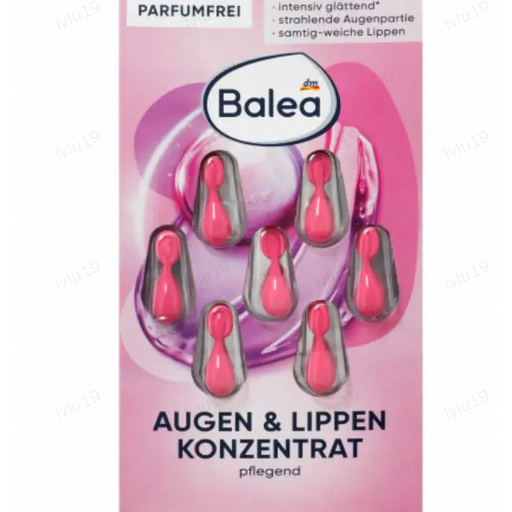
Why this product fits the profile: The seven individual capsules allow for clearly portioned application for the eye area and lips. The fragrance-free formula contains, among other things, caffeine, squalane, vitamin E and evening primrose oil.
The single portions limit the dosage and reduce unnecessary product residue after opening. Check the packaging information for the latest details before purchasing.
Fragrance-free formulation; capsule concept with seven separate applications.
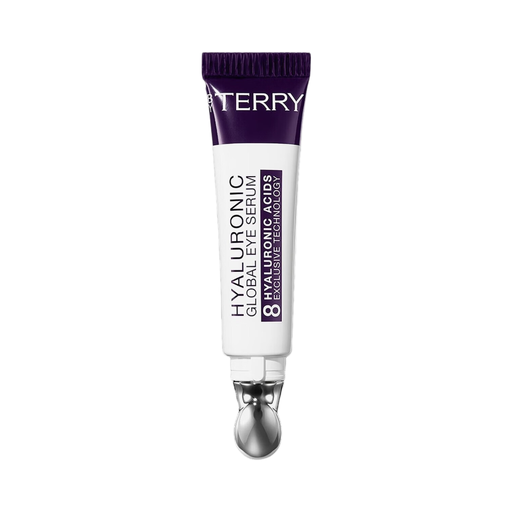
Why this product fits the profile: According to the product description, the formulation contains eight forms of hyaluronic acid, niacinamide, caffeine and phytosqualane. The packaging is refillable according to the manufacturer.
The ingredient information makes the hydrating focus clear, rather than just advertising with generic “anti-ageing” claims. Nevertheless, individual skin tolerance remains crucial.
Vegan according to the product description; refillable packaging; multiple forms of hyaluronic acid.
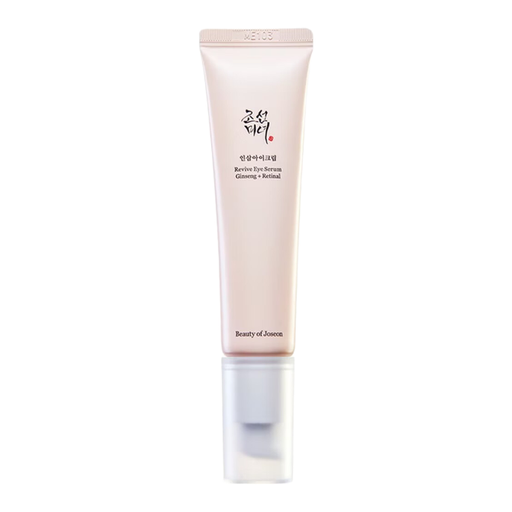
Why this product fits the profile: With 30 ml, this serum is designed for a regular routine. The formula combines ginseng, retinal, niacinamide, adenosine and sodium hyaluronate.
The active ingredient focus is clear from the INCI list. With retinal, you should build up use slowly; pause if irritation occurs.
30 ml size; retinal and ginseng as clearly declared components; intended for face and eye area.
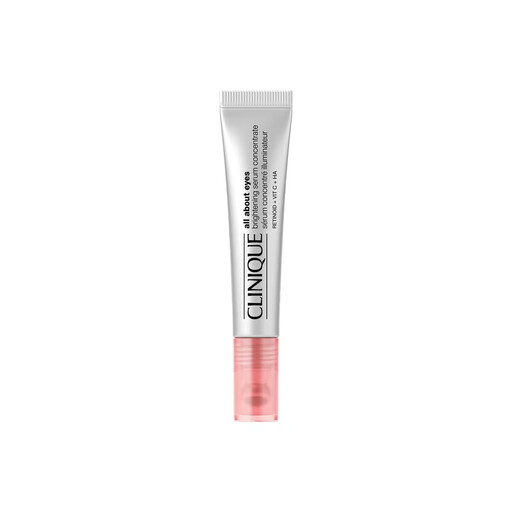
Why this product fits the profile: According to the product description, the serum is fragrance-free and suitable for all skin types, including sensitive skin. The formula lists caffeine, glycerin and sodium hyaluronate.
The fragrance-free formulation reduces a common selection error for sensitive skin. Again, if you have known allergies, check the current packaging information.
Fragrance-free according to product information; lightweight serum texture; 10 ml content.
We’ve put together a complete, regularly updated list of products that fully meet these strict selection criteria and the safety regulations in force in the EU.
An eye serum for dark circles or an eye serum for puffiness should be applied in small amounts morning and evening, unless the product instructions say otherwise. For puffiness, lack of sleep, allergies or other personal factors can play a role. A cosmetic serum doesn’t fundamentally change these causes.
Once opened, products should be used according to the PAO symbol and the manufacturer’s instructions. Heat, direct sunlight and frequent opening can affect product quality. For vitamin C, retinol or retinal formulations, storing them in a cool, light-protected place is particularly advisable, if the manufacturer recommends it.
A hydrating eye serum with glycerin, squalane or hyaluronic acid is an obvious choice. An additional eye cream can be useful if you experience more pronounced dryness. What matters most is that the formulation doesn’t contain any known personal triggers.
Many products are intended for daily use, morning and evening. Retinol or retinal products should be used less frequently at first, so your skin can show how well it tolerates them. Always follow the specific usage instructions on the packaging.
That depends on the fill volume, the dispensing mechanism and how often you use it. With a small amount for both eyes, a 10 to 15 ml product can last several weeks. Capsule products, on the other hand, are portioned for individual applications. The PAO symbol and the printed expiry date provide a reliable guideline.