
当日/次日达

品质保障

开启新人专享福利: 全场免邮 | 低至 2 折 | 免费试用 30 天 JoyPlus 会员
下载 Joybuy
An eyeshadow palette can simplify your everyday eye make-up or give you plenty of colours for creating a variety of looks. But a wide colour selection, eye-catching packaging and claims such as “highly pigmented” don’t automatically mean you’re making the right choice. What matters is whether the palette suits your habits, skin needs and preferred make-up looks.
An eyeshadow palette with several colours can seem versatile. But if most of the shades are similar, you may never use some of them. For everyday wear, you’ll usually want a light base shade, a mid-tone for blending, a darker shade for definition and at least one accent colour.
If you often switch between natural daytime make-up and bolder evening looks, a larger palette could be a good choice. For travel or the office, a compact eyeshadow palette with well-coordinated colours is often more practical.
Intense colour payoff can be useful with dark or shimmery shades, but you’ll need to apply them carefully. For beginners, blendable eyeshadows and buildable formulas are often easier to work with than very bold colours that show up strongly straight away.
Matte, shimmer and glitter textures also differ in how they apply. Matte and shimmer eyeshadows serve different purposes: matte shades are often useful for defining and blending, while shimmer can be applied as an accent on the eyelid or in the inner corner of the eye.
A product described as long-lasting won’t necessarily work equally well for everyone. Your skin type, eyeshadow primer, application technique and humidity can all affect the result. Claims such as “long-lasting eyeshadow” should therefore be treated as a product feature, not a guarantee for every application.
If you have sensitive skin or known intolerances, check the full ingredients list. For example, carmine is listed among the ingredients in the Romand Secret Garden Palette. If you want to avoid certain colourants, check the packaging before buying.
First, think about the looks you actually wear most often. Rose, brown and taupe shades work well for subtle combinations. Bold blue, violet or green shades offer more creative possibilities, but you may use them less often.
Check the balance of matte and shimmer shades. Ideally, a well-rounded eye make-up palette should cover several purposes:
“Highly pigmented eyeshadows” can be useful for evening make-up and more dramatic looks. For everyday wear, it’s also important that you can build up the colour gradually. A creamy or finely milled texture can make blending easier, while highly glittery particles may need a more careful application.
A flat brush works well for applying eyeshadow, while a soft blending brush helps create seamless transitions. For some shimmer shades, a slightly damp brush can intensify the colour. This is suggested, for example, in the application instructions for the Romand palette.
Check whether the palette is intended for use around the eyes and whether it carries any warnings. The available product information for several products recommends external use only, avoiding contact with the eyes and stopping use if irritation occurs.
For travel, a compact size and a securely closing case are useful. If you’re looking for a vegan eyeshadow palette, don’t rely on the product name alone. Look for an explicit statement from the manufacturer and check the latest packaging information. Formulas can change, even for products described as vegan.
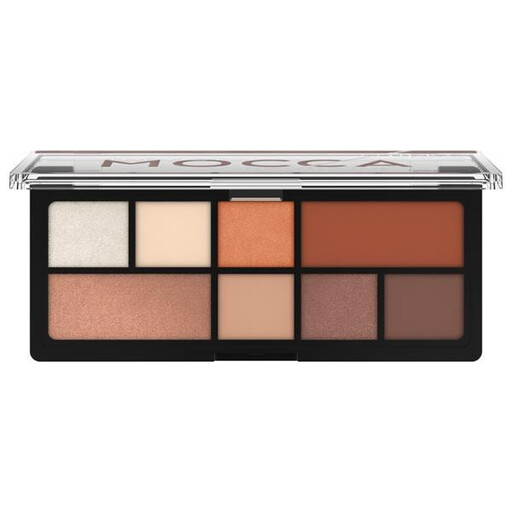
Why this product suits this profile: The palette focuses on warm brown and mocha shades, making it a straightforward choice for everyday looks.
Its clearly defined colour scheme reduces the risk of buying lots of trendy shades you’ll rarely use.
Nine grams in total; ingredients are listed for each shade.
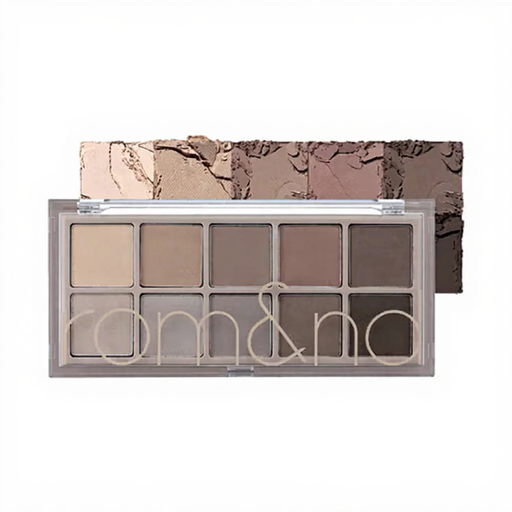
Why this product suits this profile: Ten matte and shimmer shades offer a coordinated selection for subtle and more intense eye make-up looks.
The mix of finishes means the palette isn’t limited to just one make-up technique.
Described in the product information as compact and suitable for travel; the formula is said to be pigmented and blendable.
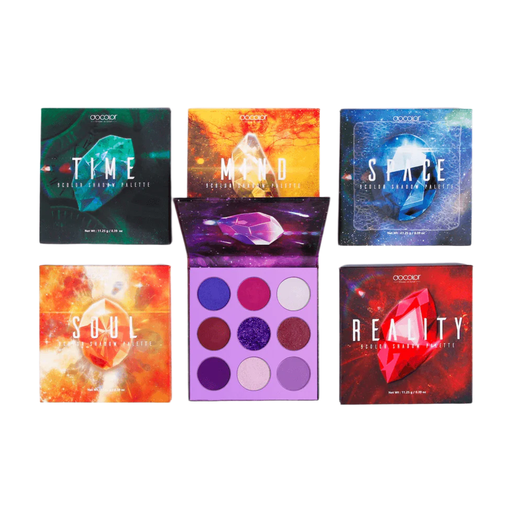
Why this product suits this profile: The product information lists 54 shades, making it a choice for users who often create a variety of creative looks.
Its wide colour selection is designed for creative looks, rather than being limited to a few neutral shades.
Described in the product details as versatile; you can apply it with a brush or your fingers.
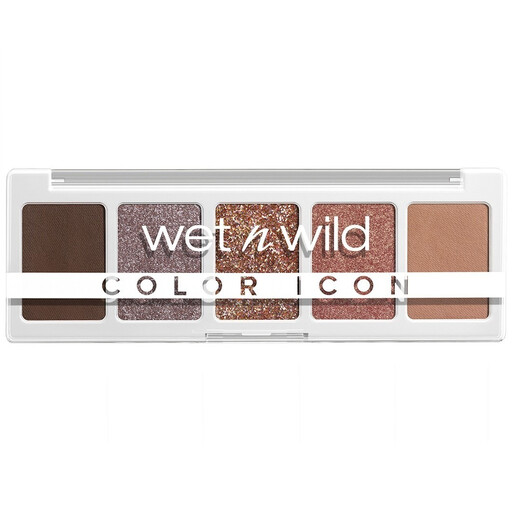
Why this product suits this profile: Five peach and brown shades make this a good option if you prefer a more manageable palette.
The limited number of colours reduces the chance of buying too many shades for occasions that rarely come around.
According to the product information, it can be applied wet or dry and includes matte, shimmer and metallic finishes.
For an even result, an eyeshadow primer can help the colour stay in place. Start with a small amount of product and build up the colour gradually. Apply matte transition shades before the darker shade. Place shimmer precisely in the centre of the eyelid to avoid spreading more product than you need.
Store the palette in a dry place, away from direct heat and sunlight. Stop using the product if its smell changes, you notice visible changes or irritation occurs. Follow the expiry or batch date shown on the packaging.
For beginners, a palette with clearly identifiable base, transition and contour shades is often easier to use. Four to ten shades that work well together can make application simpler. Larger palettes are a good choice if you regularly create different looks.
A clean, dry eyelid and a suitable eyeshadow primer can help the colour stay in place. Apply the colour in thin layers and blend the edges. How long it lasts depends on the product, your skin type and the conditions around you.
Look for an explicit vegan label and check the current ingredients list on the packaging. Terms such as “natural” or “gentle” don’t automatically mean a formula is vegan. If you have known allergies, check the individual colourants as well.